How a Fast-Aging Fish is Unlocking the Secrets of Kidney Protection
A groundbreaking study using the African turquoise killifish, a vertebrate that ages in mere months, is providing unprecedented insights into how kidneys deteriorate with age. Researchers discovered that SGLT2 inhibitors, a class of drugs commonly prescribed for diabetes and heart disease, effectively preserved kidney structure, blood vessel networks, and cellular energy production in the aging fish. This accelerated model offers a powerful new tool to understand the mechanisms behind the well-documented kidney and heart protection these drugs offer in humans, benefits that extend far beyond simple blood sugar control.
Understanding the complex process of organ aging has long been a challenge for medical science, requiring studies that span years or even decades. A remarkable breakthrough, however, is accelerating this research at an unprecedented pace. Scientists have turned to the African turquoise killifish, a small vertebrate with a lifespan of just four to six months, to study kidney aging in fast-forward. This innovative model has revealed how a widely used class of medications, SGLT2 inhibitors, can preserve kidney health during aging, shedding new light on their protective mechanisms in humans.
The Accelerated Aging Model: The African Turquoise Killifish
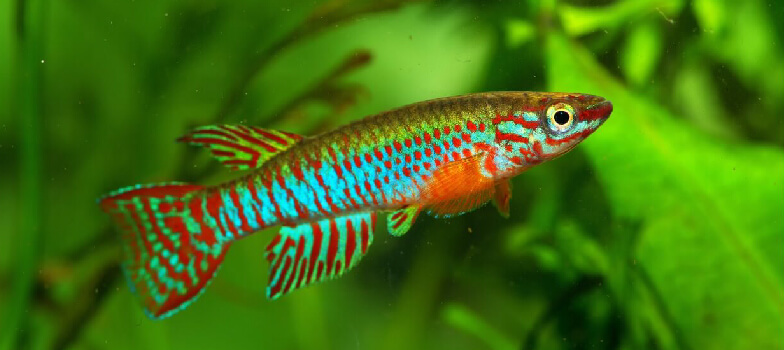
The key to this discovery lies in the unique biology of the African turquoise killifish (Nothobranchius furzeri). As one of the fastest-aging vertebrates known, it compresses a lifetime of physiological changes into a few short months. In a study published in Kidney International, an international research team from the MDI Biological Laboratory, Hannover Medical School, and Colby College confirmed that this fish develops age-related kidney changes that are strikingly similar to those seen in aging humans. These changes include the loss of tiny blood vessels (capillaries), damage to the filtration barrier, increased inflammation, and disruptions in cellular energy production.
This rapid progression allows researchers to observe the full trajectory of kidney decline and test potential interventions in a fraction of the time required for studies in traditional models like mice. "Seeing these effects emerge so clearly in a rapid-aging model like our killifish was striking," said Dr. Anastasia Paulmann, the study's first author, who established the fish colony. The model provides a practical bridge between basic cellular research and human clinical applications, enabling scientists to evaluate how therapies affect long-term organ resilience efficiently.
SGLT2 Inhibitors: Beyond Blood Sugar Control
The research focused on sodium-glucose cotransporter-2 (SGLT2) inhibitors, drugs like empagliflozin and dapagliflozin that are mainstays in treating type 2 diabetes, heart failure, and chronic kidney disease. While their clinical benefits for heart and kidney protection are well-established, the precise biological reasons have been less clear. The killifish study aimed to uncover these underlying mechanisms.
The results were compelling. Fish treated with SGLT2 inhibitors maintained significantly healthier kidneys as they aged compared to untreated fish. The treatment preserved the density of capillary networks—a process countering "vascular rarefaction"—which is crucial for delivering oxygen and nutrients. Furthermore, the drugs helped maintain the integrity of the glomerular filtration barrier, the kidney's essential sieving structure.

Preserving Cellular Youth and Energy
At a cellular level, the study revealed that SGLT2 inhibitors helped kidney cells maintain more efficient, mitochondria-based energy production. In untreated aging fish, cells shifted to less effective backup energy systems. The drug treatment also promoted "youthful transcriptional profiles," meaning the genetic activity in the kidneys of treated fish more closely resembled that of younger animals. This was associated with better overall energy metabolism and a notable reduction in age-related inflammatory signals.
"Together, these upstream effects provide a biological explanation for clinical observations that the benefits of SGLT2 inhibitors often exceed what would be expected from glucose control alone," explained Dr. Hermann Haller, senior author of the study and President of MDI Biological Laboratory. This multi-system impact—on blood vessels, energy, inflammation, and cell communication—helps explain why these drugs consistently reduce adverse kidney and cardiovascular events across diverse patient populations, including those without diabetes.
Implications for Future Research and Human Health
This research, supported by the National Institutes of Health and other foundations, positions the killifish as a powerful new tool for aging research. The model's speed allows scientists to rapidly screen existing and experimental therapies for their potential to combat age-related organ decline. The team plans follow-up studies to investigate whether SGLT2 inhibitors can repair kidney damage after it has occurred and how the timing of treatment influences long-term outcomes.
The findings reinforce the paradigm-shifting role of SGLT2 inhibitors in modern medicine, highlighting their pleiotropic effects—benefits that extend far beyond their original intended purpose. By using an accelerated model of aging, scientists are now better equipped to unravel the complex biology of organ preservation, paving the way for more targeted strategies to promote kidney health and healthy aging in humans.