Open-Ear Earbuds: The Audio Trend for Situational Awareness
Open-ear earbuds represent a significant shift in personal audio, prioritizing environmental awareness alongside music and media consumption. Unlike traditional earbuds that seal the ear canal, these innovative devices use clip-on, wrap-around, or bone-conduction designs to leave your ears open to ambient sounds. This makes them ideal for activities like running, cycling, or simply staying alert while multitasking at home. While they sacrifice some bass response and noise isolation, they offer a unique blend of personal audio and natural awareness that is becoming increasingly popular for active lifestyles and safety-conscious users.
In the ever-evolving world of personal audio, a new category has emerged that challenges the conventional wisdom of immersive, noise-isolating sound. Open-ear earbuds, designed to keep your ear canals completely unobstructed, are rapidly gaining popularity for their unique ability to let you enjoy your favorite tunes while staying fully aware of your surroundings. This innovative approach to audio caters to a growing demand for technology that integrates seamlessly with our active, multitasking lives, rather than isolating us from them.
What Are Open-Ear Earbuds?
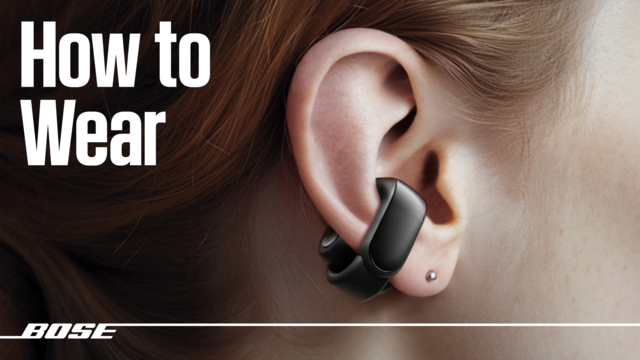
Open-ear earbuds are a distinct category of wireless audio devices that fundamentally differ from traditional in-ear models. Instead of inserting a silicone or foam tip into the ear canal to create a seal, open-ear designs sit outside the ear or use alternative methods like bone conduction to deliver sound. The primary goal is to maintain a completely natural auditory path to your environment. As noted in WIRED's guide, this design means "their audio performance won’t be as intimate or full-sounding as regular earbuds, particularly in the bass," but it provides an "unaltered path to your environment" that is perfect for blending media with real-world awareness.
Key Design Types and How They Work
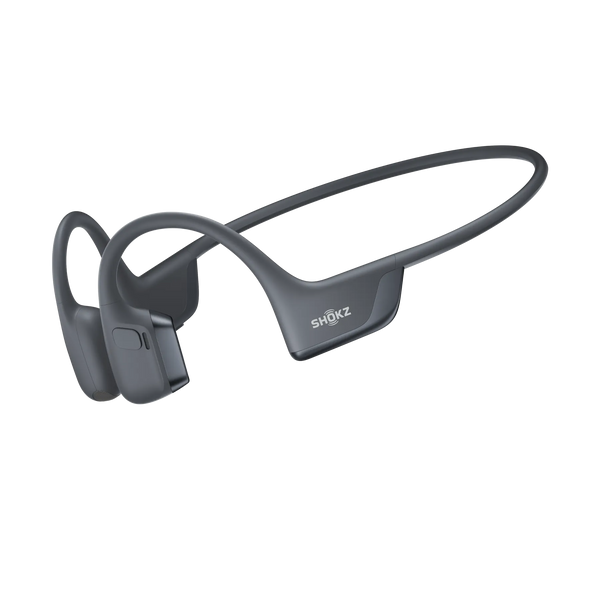
Manufacturers have developed several ingenious approaches to deliver audio without blocking the ears. The most common designs include clip-on styles that hook over the top of the ear, wrap-around models that loop behind the ear, and bone-conduction headphones that transmit vibrations through the cheekbones. Each design has its advantages: clip-ons like the Bose Ultra Open Earbuds offer a sleek, minimal profile; wrap-arounds like the Acefast Acefit Air provide extra stability for vigorous activity; and bone-conduction options like the Shokz OpenRun Pro 2 leave the entire ear completely free.
Ideal Use Cases and Applications
The specific design of open-ear earbuds makes them exceptionally well-suited for scenarios where situational awareness is paramount. They are, as WIRED explains, "an obvious fit for workouts like hiking, jogging, the gym, or even biking/ebiking, where wind resistance overpowers the tiny microphones in traditional earbuds." Beyond fitness, they excel in domestic environments—allowing you to listen to a podcast while cooking dinner and monitoring children, or enjoy music while remaining alert to doorbells and phone calls. They are not designed for noisy commutes or flights where noise cancellation is needed, but rather for integrating audio into environments where you need to hear what's happening around you.
What to Expect from Sound Quality
Prospective users should adjust their audio expectations when considering open-ear earbuds. The physics of an open design inherently limits bass response, as low-frequency sounds require a sealed chamber to develop fully. However, advancements in driver technology and audio tuning have led to impressive results. Premium models like the Bose Ultra Open Earbuds are praised for "clear and zingy sound with plenty of instrumental detail," while budget options like the Soundpeats PearlClip Pro offer "shockingly good sound for the price" with notable bass presence for open-ear designs. The sound profile is typically clear and articulate, prioritizing vocal intelligibility and mid-range detail, which makes them excellent for podcasts, audiobooks, and calls.
Features and Technology
Modern open-ear earbuds incorporate many of the conveniences found in traditional wireless earbuds. Most support Bluetooth multipoint connectivity for pairing with two devices simultaneously, feature IP-rated water and sweat resistance for active use, and include companion apps for sound customization via EQ settings. Controls are typically handled through touch-sensitive panels or physical buttons on the earbuds themselves. It's important to note that active noise cancellation (ANC) is fundamentally incompatible with a truly open design, as ANC requires a seal to measure and counteract ambient sound waves effectively. Some hybrid models attempt it, but with limited success.

Selecting the Right Pair for You
Choosing between the growing array of open-ear earbuds depends on your primary use case, budget, and fit preference. For most users seeking a balance of quality and value, the Soundcore by Anker Aeroclip stands out with its titanium-reinforced clip, clear sound, and 8-hour battery life. Audiophiles willing to invest in the best sound quality should consider the Bose Ultra Open Earbuds. Budget-conscious buyers will find exceptional value in the Acefast Acefit Air, often available for under $30. For those who prefer a non-clip design, bone conduction options like the Shokz OpenRun Pro 2 offer a unique, secure fit ideal for intense sports.
The Future of Open-Ear Audio
The rapid expansion of the open-ear earbud market indicates a lasting shift in consumer priorities toward audio products that promote, rather than hinder, environmental awareness. As technology advances, we can expect continued improvements in sound quality, particularly in bass response, through better drivers and sophisticated audio processing. Battery life will extend, designs will become even more minimal and comfortable, and integration with health and fitness tracking may become more prominent. This category addresses a genuine need for safer, more socially considerate personal audio, ensuring its place in the audio landscape for years to come.
Open-ear earbuds represent more than just a new product category; they signify a philosophical shift in how we interact with personal audio technology. By prioritizing situational awareness, they acknowledge that our digital and physical worlds are not separate spheres to be alternated between, but integrated experiences. Whether you're an athlete, a busy parent, a commuter who needs to hear station announcements, or simply someone who wants to stay connected to your environment, open-ear earbuds offer a compelling solution that traditional audio devices cannot match.