Coastal Wolves Hunting Sea Otters: Unraveling an Alaskan Ecological Mystery
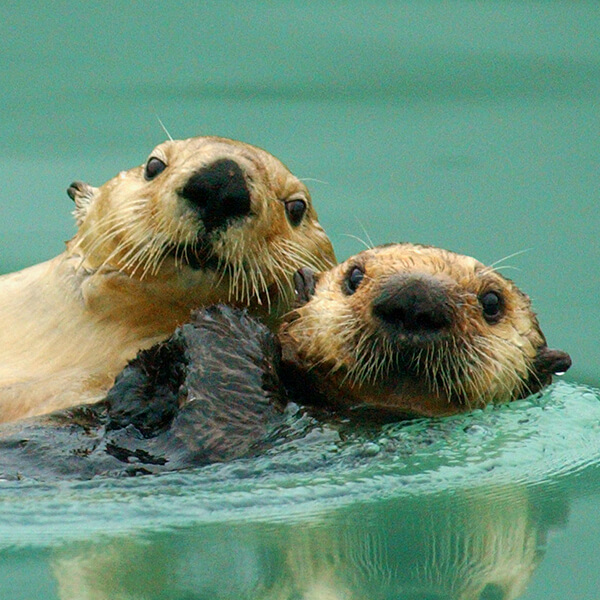
On the remote Prince of Wales Island in Alaska, gray wolves are exhibiting a remarkable and unexpected behavior: hunting sea otters. This newly documented predator-prey relationship is challenging scientific understanding of coastal ecosystems. Researchers from the University of Rhode Island are investigating how these terrestrial predators adapted to marine hunting, what this reveals about connections between land and sea food webs, and whether this represents the re-emergence of an ancient ecological interaction as sea otter populations recover from historical overhunting.
In the rugged coastal wilderness of Alaska's Prince of Wales Island, gray wolves are demonstrating a behavior that has surprised wildlife biologists and ecologists alike: they are hunting and consuming sea otters. This unexpected dietary shift represents more than just a curious anecdote—it potentially signals profound connections between terrestrial and marine ecosystems that have been overlooked. The research, led by University of Rhode Island Ph.D. candidate Patrick Bailey, is beginning to unravel how these coastal predators have adapted to marine hunting and what this means for the broader ecological landscape of the Pacific Northwest.

The Unexpected Predator-Prey Relationship
Gray wolves (Canis lupus) are apex predators traditionally associated with terrestrial ecosystems, where they regulate populations of deer, elk, and other land mammals. Their documented predation on marine mammals, particularly sea otters (Enhydra lutris), represents a significant departure from established behavioral patterns. While there have been official reports of wolves consuming aquatic prey for over two decades, the specific mechanisms and ecological implications of sea otter predation have remained largely unexplored until recently.
The research team, operating from Sarah Kienle's CEAL Lab in URI's Department of Natural Resources Science, is particularly interested in the behavioral adaptations required for this marine hunting. "Capturing and eating prey in the marine environment is very different from doing it on land," notes Kienle. "We are super curious to see if these coastal wolves have behavioral adaptations that are different from terrestrial wolves." This investigation is complicated by the wolves' intelligence and elusive nature, especially in the remote, difficult-to-traverse landscape of Prince of Wales Island.

Research Methods: From Teeth to Trail Cameras
Bailey's research employs a creative combination of traditional and modern techniques to understand this phenomenon. One key approach involves analyzing gray wolf teeth using stable-isotope techniques. Similar to tree rings, teeth grow in layers that record dietary changes over time. "If large enough, we can individually sample each of these growth rings to track an individual's feeding patterns over time," Bailey explains. "When we gather enough samples across individuals we can then analyze how prevalent these dietary trends are throughout a population."
Complementing this laboratory work is field research using newly installed trail cameras positioned to capture wolf behavior with unprecedented detail. Earlier video footage lacked the clarity needed for close behavioral study, but the current camera setup, established during summer fieldwork, is designed to reveal the specific hunting strategies wolves employ against sea otters. A team of seven University of Rhode Island students has been trained to help review more than 250,000 images of wolves and sea otters collected since December, searching for the elusive details of these marine hunts.
Ecological Implications and Mercury Concerns
The research extends beyond mere behavioral documentation to examine broader ecological consequences. Bailey suggests that wolves, known for dramatically altering land ecosystems through trophic cascades, may exert similar influences in aquatic habitats. "We don't have a clear understanding of the connections between water and land food webs, but we suspect that they are much more prevalent than previously understood," he says. This predator-prey relationship may be particularly significant as sea otter populations recover from the devastating effects of the historical fur trade, potentially reviving an ancient ecological interaction.
However, this dietary shift comes with potential risks for the wolves themselves. Research by Alaska Department of Fish and Game biologist Gretchen Roffler has revealed that sea otters can accumulate high levels of methylmercury, a toxic form of mercury. Liver samples from coastal gray wolves show mercury concentrations up to 278 times greater than those found in inland wolves. "Methylmercury accumulation can cause a suite of problems related to reproduction, body condition, and behavioral abnormalities," Bailey explains, highlighting a serious potential long-term health consequence of this marine-based diet.
Collaborative Research in Remote Conditions
The success of this research depends heavily on local partnerships and expertise. The project was established through collaboration with Roffler and local research technician Michael Kampnich, who provides invaluable knowledge of the island's ecology and terrain. "Kampnich has been an unbelievable resource for getting us acquainted with the island and its unique ecology," Bailey acknowledges. "Working with locals is so important because they have decades of experience and perspective that we as outside researchers simply do not have."
This collaborative approach is essential given the challenges of studying wolves in such remote conditions. "When you pair these traits with a landscape that is very rural and difficult to traverse, researching them becomes quite the undertaking," Bailey notes about the wolves' intelligence and elusive nature. The research is expected to continue for several more years, with Bailey planning to return to Prince of Wales Island for additional fieldwork next summer.
Broader Research Context and Future Directions
While the current focus remains on Alaska, Bailey plans to expand the research geographically and temporally. He is including historical east coast wolves in a separate chapter of his dissertation, comparing skull morphology between coastal and inland populations using specimens from parts of Canada, including Newfoundland and Labrador, provided by the Harvard Museum of Comparative Zoology. This comparative approach may reveal whether coastal adaptations in wolves represent a broader pattern rather than an isolated Alaskan phenomenon.
The investigation into coastal wolves hunting sea otters represents more than just documentation of unusual animal behavior—it opens new questions about ecosystem connectivity, predator adaptation, and the recovery of species once pushed to the brink of extinction. As research continues, scientists hope to determine whether this represents a temporary dietary shift or the re-establishment of a fundamental ecological relationship with far-reaching consequences for both land and marine environments along the Pacific Coast.