NFL Fantasy Football Week 17 Ultimate Playbook: Key Matchups, Lineup Locks, and Projections
Navigating the critical Week 17 fantasy football landscape requires strategic insight into player matchups, lineup decisions, and projected outcomes. This comprehensive guide synthesizes expert analysis and projections to identify must-start lineup locks, exploitable defensive weaknesses, and potential pitfalls to avoid. From shadow coverage reports impacting star receivers to backfield committees emerging from injuries, we break down the key factors that will determine fantasy championships. Whether you're setting season-long lineups or constructing DFS rosters, this playbook provides the essential data-driven advice needed for the final push.
As the NFL season reaches its pivotal Week 17, fantasy football managers are faced with championship-deciding lineup decisions. This period demands a meticulous analysis of matchups, injuries, and defensive trends to optimize rosters for the ultimate victory. Drawing from comprehensive projections and expert shadow reports, this guide provides a strategic framework for navigating the complex landscape of the final regular-season games. The goal is to transform data into actionable insights, identifying clear lineup locks while warning of potential traps that could derail championship aspirations.

Understanding the Playbook Methodology
The analysis presented is powered by the proprietary projections and matchup metrics developed by ESPN Fantasy Football. As detailed in the source material from ESPN's Mike Clay, this system evaluates every player projected for at least 6.0 fantasy points in standard 12-team PPR leagues. The "Matchup" rating is a key component, factoring in both raw and volume-adjusted fantasy points allowed by each opposing defense. This data-driven approach extends to DFS (Daily Fantasy Sports) valuations, specifically for Sunday's main slate, providing a dual-purpose tool for both season-long and daily fantasy players. The integration of Shadow Reports—tracking specific wide receiver versus cornerback matchups—adds a layer of tactical depth crucial for Week 17 decisions.
Prime Matchups to Exploit
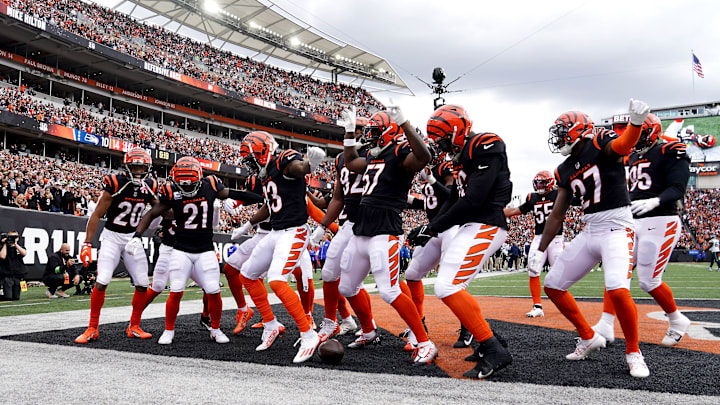
Identifying favorable defensive matchups is the cornerstone of late-season fantasy success. Several teams present clear vulnerabilities for opposing skill players. The Cincinnati Bengals' defense, for instance, has been a sieve against running backs, allowing the most fantasy points and yards to the position. This makes Arizona's lead back, Michael Carter, a viable flex option despite his committee role. Similarly, the Indianapolis Colts' secondary has surrendered the most receptions and the third-most fantasy points to wide receivers, creating a positive environment for Jacksonville's passing game, even as managers navigate target distribution behind Jakobi Meyers and Brian Thomas Jr.
Quarterback and Tight End Opportunities
Beyond the skill positions, specific matchups favor quarterbacks and tight ends. The San Francisco 49ers, while formidable, have registered the fewest sacks in the league and have allowed the sixth-most passing touchdowns. This environment supports Chicago Bears quarterback Caleb Williams as a fringe QB1, capable of leveraging both his arm and legs. For tight ends, the Tampa Bay Buccaneers present a streaming opportunity, having allowed 10 touchdowns and the seventh-most fantasy points to the position, putting Miami's Darren Waller on the deep-league radar.
Critical Shadow Reports and Coverage Downgrades
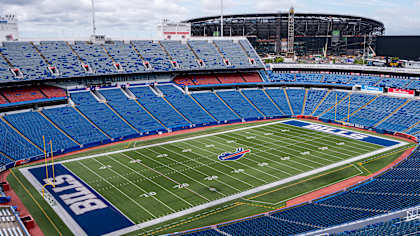
The Shadow Report analysis is instrumental for managing wide receiver expectations. Several star players face challenging coverage that necessitates a downgrade. Arizona's Marvin Harrison Jr. is a candidate to be shadowed by Cincinnati's DJ Turner, who has excelled in such assignments, holding shadowed receivers to an average of 8.4 fantasy points per game. Philadelphia's defense has been brutally efficient against wideouts over the past eight weeks, allowing the fewest fantasy points to the position and creating a dire situation for Buffalo's receiving corps, including streamer option Khalil Shakir.
Notable Shadow Situations
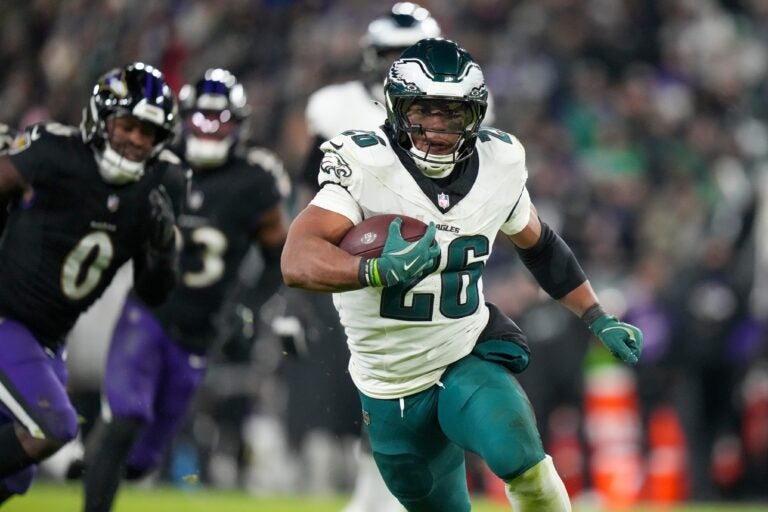
Two high-profile matchups warrant close attention. Philadelphia's A.J. Brown, despite a scorching hot streak, is likely to draw shadow coverage from Buffalo's Christian Benford. While Brown remains a must-start, his bust risk is elevated as Benford has held four consecutive perimeter receivers to single-digit fantasy points. Conversely, Atlanta's Drake London receives an upgrade against a Los Angeles Rams secondary that has allowed the sixth-most receiver points this season and the third-most to perimeter alignments over the past month.
Backfield Committees and Injury Fallout
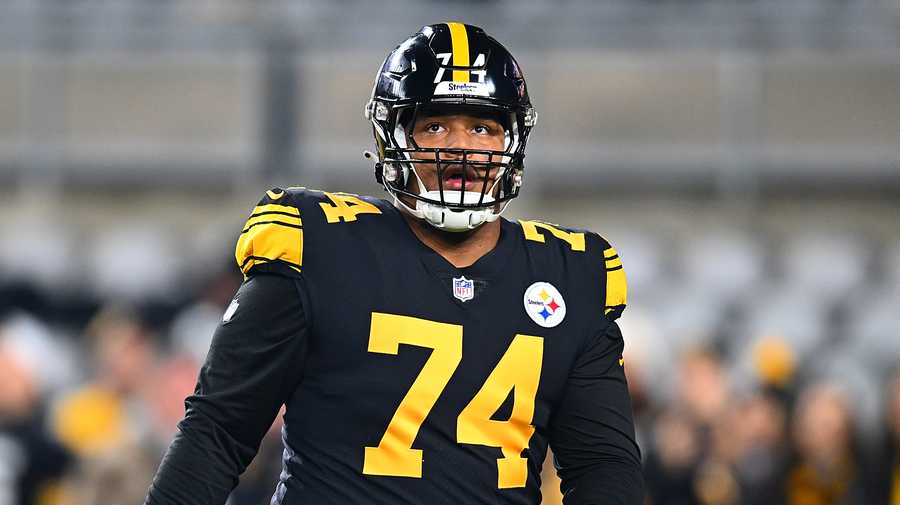
Injuries have reshaped several backfields, creating ambiguity and opportunity. With Cleveland's Quinshon Judkins out for the season, the Browns' backfield is a committee to monitor. If Dylan Sampson (hand) remains out, Raheim Sanders and Trayveon Williams will split work, though neither is an exciting start against a stout Pittsburgh run defense. In New Orleans, with Alvin Kamara sidelined, the versatile Taysom Hill emerged as the de facto lead back, handling carries, targets, and even a passing touchdown. His unique dual-threat role and tight end eligibility make him a fascinating, albeit risky, TE streaming option.
Lineup Locks and Projected Top Performers
Based on projections and matchup analysis, a core group of players stands out as essential starters. These lineup locks are projected for high-volume roles in favorable game scripts. The list includes elite talents like San Francisco's Christian McCaffrey and Brock Purdy, Buffalo's Josh Allen, and Philadelphia's Jalen Hurts and Saquon Barkley. At receiver, players like Miami's Jaylen Waddle, Philadelphia's A.J. Brown, and Los Angeles' Puka Nacua are locked into lineups due to their consistent target share and high-ceiling matchups.
High-Stakes Quarterback Decisions
Quarterback decisions carry immense weight in Week 17. While players like Josh Allen and Jalen Hurts are auto-starts, others present more risk. New York Giants rookie Jaxson Dart is coming off a historically bad performance (0.02 points) but gets a rebound chance against a Las Vegas defense allowing the sixth-highest EPA to passers. He remains a QB1 discussion piece but is no longer a safe option. New England's Drake Maye, however, is a clear start against a struggling New York Jets offense that should provide his team with ample possessions.
Conclusion: Executing Your Championship Strategy
Week 17 in fantasy football is the culmination of a season's worth of management, requiring precision, courage, and informed risk-taking. Success hinges on leveraging positive matchups—like targeting receivers against Indianapolis or running backs against Cincinnati—while heeding the warnings of shadow coverage and defensive strengths. Managers must navigate injury-altered backfields with caution and trust the proven production of their lineup locks. By synthesizing projection data, matchup metrics, and coverage reports, you can construct lineups with the highest probability of securing a championship. The final step is to set your roster with confidence, backed by the comprehensive analysis that has defined the path to this moment.