The Global Radiation Detection Network: How the World Would Instantly Know About the Next Nuclear Disaster
In the event of another major nuclear incident like Fukushima or Chornobyl, the world would be alerted almost immediately through a sophisticated global network of radiation monitoring systems. This article explores how government-run programs and volunteer initiatives work together to detect radiation fluctuations in real-time, providing unprecedented early warning capabilities. From university rooftop sensors to international agency dashboards, we examine the technology and infrastructure that has evolved since past disasters to create a more transparent and responsive monitoring environment.
The specter of nuclear disasters like Chornobyl in 1986 and Fukushima in 2011 continues to shape global safety protocols and technological responses. Today, an unprecedented network of radiation detection systems operates continuously around the world, ensuring that any significant radiation release would be detected almost immediately. This global monitoring infrastructure represents one of the most significant advancements in nuclear safety since these tragic events, creating a transparent web of sensors that spans continents and involves both governmental agencies and citizen scientists.

The Evolution of Radiation Monitoring
The modern era of radiation monitoring began in earnest after the Chornobyl disaster, when radioactive material spread across Europe and was first detected by monitors in eastern Sweden two days after the explosion. This delayed discovery highlighted critical gaps in global monitoring capabilities. In response, countries including Austria and the United Kingdom established comprehensive radiation detection networks that constantly monitor for unusual radioactivity levels. These government-run systems now form the backbone of official radiation monitoring infrastructure worldwide.
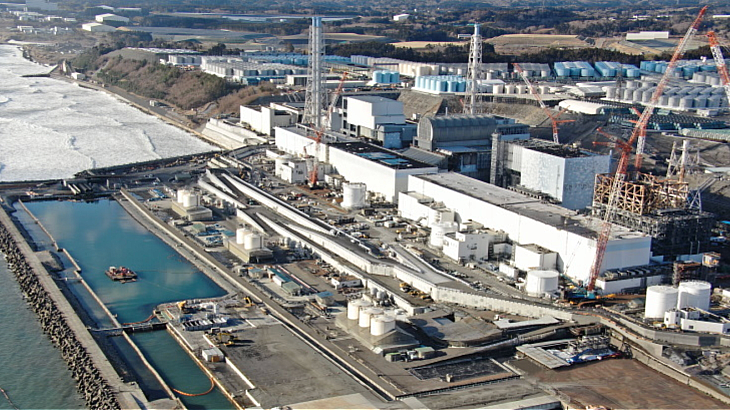
Following the Fukushima nuclear accident in 2011, there was a significant expansion in both official and unofficial monitoring efforts. The disaster revealed limitations in existing systems and sparked increased public interest in environmental radiation data. As noted in the Wired article, there was a "run on detector devices" as people sought to understand radiation levels in their own environments. This period marked a turning point where citizen science began to complement official monitoring efforts, creating a more comprehensive and transparent monitoring ecosystem.
Current Monitoring Infrastructure
Today's radiation monitoring landscape consists of multiple overlapping systems that provide redundancy and comprehensive coverage. At the international level, the International Atomic Energy Agency (IAEA) operates a sophisticated monitoring system through its Incident and Emergency Centre in Austria. According to Marion Damien, response data officer at the IAEA, the organization maintains "a big map of the world" where data from member nations appears in near real-time, typically within minutes or up to an hour. This system visualizes radiation levels globally, with most areas appearing green except for known contaminated sites like Fukushima and Chornobyl.
National governments also maintain their own monitoring networks, with varying degrees of public accessibility. Some countries, such as Poland, publish radiation data in near real-time on open web platforms, while others keep their data within closed governmental systems. The European Commission provides aggregated monitoring data for many European nations, creating regional transparency. These official systems are complemented by sophisticated detection equipment at critical infrastructure points, including airports where radiation detectors recently flagged a package containing uranium at Heathrow Airport in 2022.
Citizen Science and DIY Monitoring
Parallel to government systems, volunteer and research initiatives have created additional layers of monitoring transparency. Organizations like Safecast, founded after the Fukushima disaster, have deployed more than 5,000 detectors worldwide that feed data to a publicly accessible digital map. According to cofounder Sean Bonner, these citizen science efforts revealed that radiation levels can vary significantly even within small geographic areas, with higher concentrations found in specific locations like rain gutters where radioactive particles accumulate.
Academic institutions also contribute to this monitoring ecosystem. Professor Kim Kearfott of the University of Michigan maintains an array of radiation sensors on campus buildings as part of an informal monitoring project initiated after Fukushima. Her experience highlights both the capabilities and limitations of current systems: while radiation is immediately detectable with proper equipment, accessing comprehensive environmental data remains challenging due to institutional reluctance to share monitoring information from nuclear facilities.

Technological Advancements and Detection Capabilities
Modern radiation detection technology has evolved significantly, with companies like Mirion developing sophisticated systems for various applications. Current detectors can distinguish between different types of radiation, identifying whether elevated readings come from natural background radiation, medical radioisotopes, or fission products from nuclear incidents. This discrimination capability is crucial for avoiding false alarms and accurately assessing potential threats.
Advanced monitoring systems now include area monitors that continuously sample airborne particulates, drone-mounted detectors for safe data collection in hazardous environments, and handheld devices used for security at major events. These technological advancements mean that not only can radiation be detected immediately, but its source and composition can be rapidly identified, enabling more targeted and effective responses to potential incidents.
Natural Variations and Environmental Factors
Background radiation levels naturally fluctuate due to various environmental factors, presenting challenges for monitoring systems. Weather conditions significantly affect radiation readings, with rainfall washing radioactive decay products from the air to ground level and causing temporary spikes in measurements. In Hong Kong, for instance, ambient gamma radiation levels increased following heavy rainfall that brought radon decay products to the surface.
Other environmental factors include coastal tides affecting the distribution of radioactive materials on beaches and seasonal changes in atmospheric conditions. Research has documented instances where powerful storms in northern Spain triggered false alarms in gamma-ray monitoring networks due to radon-related radiation spikes. Understanding these natural variations is essential for distinguishing normal environmental fluctuations from potentially hazardous incidents.
Global Implications and Future Outlook
The comprehensive radiation monitoring network that now exists represents a significant advancement in global safety and transparency. As Professor Kearfott notes, the ability to immediately detect radiation contrasts sharply with the challenges of detecting biological threats like viruses, highlighting the unique advantages of radiation monitoring technology. This global infrastructure provides reassurance that any significant radiation release would be quickly identified and communicated through multiple channels.
Looking forward, continued technological advancements and increased data transparency will further strengthen global monitoring capabilities. The legacy of past nuclear disasters has been a marked increase in radiation tracking efforts worldwide, creating a more resilient and responsive system. While the goal remains preventing future incidents, the existence of this extensive monitoring network ensures that, should another disaster occur, the world would know almost immediately, enabling faster responses and potentially saving lives.