The Real Danger of Acetaminophen: Overdose, Not Autism
While unverified claims about acetaminophen and autism circulate online, medical experts warn the proven, immediate danger is overdose. Acetaminophen, the active ingredient in Tylenol and many cold remedies, is a leading cause of emergency room visits, hospitalizations, and acute liver failure in the United States. This article examines the scale of the overdose problem, the limitations of current treatments, and an innovative clinical trial testing an antifreeze antidote as a potential new therapy to prevent liver damage.
In an era of rampant health misinformation, a particularly persistent claim links the common pain reliever acetaminophen to autism in children. However, medical toxicologists emphasize that this unverified social media narrative dangerously distracts from a far more serious and well-documented public health threat: accidental and intentional overdose. Acetaminophen poisoning represents a silent epidemic, responsible for tens of thousands of hospital visits and nearly half of all acute liver failure cases in the U.S. each year. This article shifts the focus to the real, evidence-based risks associated with this ubiquitous medication.

The Scale of the Acetaminophen Overdose Crisis
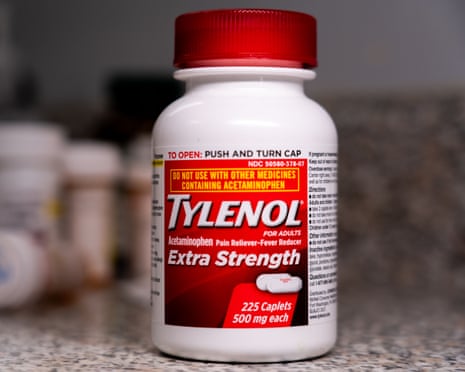
Acetaminophen, the active ingredient in Tylenol and countless store-brand pain and fever reducers, is remarkably safe when used as directed. The danger emerges when recommended doses are exceeded, either through a single large ingestion or repeated smaller overdoses over time. According to data cited by researchers at the University of Colorado School of Medicine, acetaminophen poisoning is one of the leading causes of hospitalization and death related to non-prescription drugs in the United States.
The statistics are sobering. Annually, an estimated 56,000 people visit emergency departments due to acetaminophen poisoning, with about 2,600 requiring hospitalization. More critically, the drug is implicated in nearly 50% of all acute liver failure cases in the country and accounts for roughly 20% of liver transplants nationwide. These figures underscore a public health challenge that far outweighs speculative links to developmental disorders.
Why Overdoses Happen: Accidents and Intent
Understanding the pathways to overdose is key to prevention. Acetaminophen is not only found in standalone pain relievers but is also a common ingredient in a wide array of over-the-counter products for colds, flu, sinus issues, and menstrual discomfort. This ubiquity increases the risk of unintentional overdose, where individuals may take multiple medications without realizing they all contain acetaminophen, thereby exceeding the safe daily limit.
As explained by Dr. Kennon Heard, a professor and medical toxicology section chief at CU Anschutz, other scenarios include individuals in severe pain who mistakenly believe that exceeding the dose will provide greater relief. Furthermore, a significant portion of overdoses are linked to suicide and self-harm. "The No. 1 rule at the Poison Center is that if it's available, people will take it, and a lot of people have Tylenol in their medicine chest," Heard notes in the University of Colorado research summary. The line between accidental and deliberate overdose is blurring, with recent recognition that the number of fatal accidental overdoses is nearing the number from intentional acts.
The Limits of Current Treatment and a Novel Approach
For decades, the standard antidote for acetaminophen overdose has been a drug called acetylcysteine (often given as the brand name Mucomyst). When administered within eight hours of ingestion, it is highly effective at preventing liver damage by replenishing the body's glutathione, which neutralizes acetaminophen's toxic metabolite.
The critical weakness of this treatment is its sharply declining efficacy after the 8-hour window. "Many patients don't present with acetaminophen poisoning until after they have liver injury, at which point the acetylcysteine is less effective, and in some cases doesn't really work at all," states Dr. Heard. This treatment gap has driven researchers to seek adjunctive therapies for severe, late-presenting cases.
Testing an Antifreeze Antidote: The Fomepizole Trial
An innovative clinical trial led by Dr. Heard and his colleagues is exploring a promising new candidate: fomepizole. This drug is already FDA-approved to treat poisoning from ethylene glycol and methanol, the toxic alcohols found in antifreeze. Fomepizole works by inhibiting the enzyme alcohol dehydrogenase, preventing the conversion of these substances into their damaging byproducts.
The rationale for using it in acetaminophen overdose stems from decades of animal studies and off-label use in severe human cases. The ongoing Phase II trial is a "proof of concept" study to determine if adding fomepizole to standard acetylcysteine therapy can reduce liver damage in high-risk patients. It is a double-blind, randomized trial comparing the combination therapy to acetylcysteine alone, with liver enzyme levels serving as the key outcome measure.

Enrollment for the trial is underway at several Colorado hospitals, including Denver Health and UCHealth University of Colorado Hospital. If results are positive, the research will advance to larger trials assessing long-term outcomes like survival and transplant rates. This work highlights the ongoing need for medical innovation even for long-standing public health problems.
A Critical Public Health Message
The core message from toxicologists is one of vigilance and education. Consumers must:
- Read medication labels carefully to identify acetaminophen (APAP) in all products.
- Never exceed the recommended dose on the package, believing more will work better or faster.
- Use only one acetaminophen-containing product at a time to avoid unintentional cumulative overdose.
- Secure medications to prevent access by individuals at risk of self-harm.
While the medical community continues to investigate and debunk claims like the autism link, the energy of public concern would be far better directed toward preventing the tangible, devastating, and often fatal consequences of acetaminophen overdose. The research emerging from institutions like the University of Colorado School of Medicine and the Rocky Mountain Poison & Drug Safety center is crucial, but the first line of defense remains informed and cautious use of this common household drug.