Brazilian Folk Medicine Plant Shows Scientific Promise Against Arthritis
A recent scientific study from Brazil has validated the traditional use of Joseph's Coat (Alternanthera littoralis), a coastal plant long employed in folk medicine, for treating inflammation and arthritis. Laboratory research demonstrated the plant's extract significantly reduced swelling, improved joint health, and showed tissue-protective effects in experimental models. Crucially, the extract also presented a favorable safety profile at therapeutic doses. This research bridges traditional knowledge and modern science, potentially paving the way for new, natural anti-inflammatory therapies derived from Brazilian biodiversity.
For generations, communities along the Brazilian coastline have turned to a humble coastal plant known as Joseph's Coat for relief from inflammation and pain. Now, rigorous scientific research is confirming what traditional healers have long known. A collaborative study from Brazilian universities has provided compelling laboratory evidence that Alternanthera littoralis, commonly called Joseph's Coat, possesses significant anti-inflammatory and anti-arthritic properties, offering a promising natural avenue for future therapeutic development.
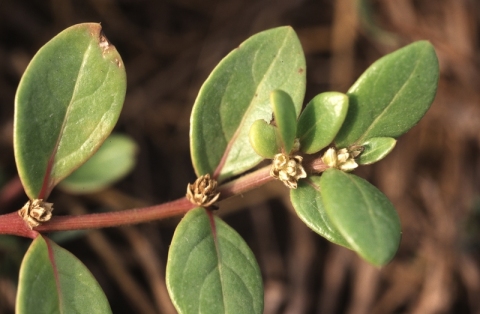
The Scientific Validation of a Traditional Remedy
The research, a collaboration between the Federal University of Grande Dourados (UFGD), the State University of Campinas (UNICAMP), and São Paulo State University (UNESP), aimed to apply scientific rigor to traditional knowledge. Published in the Journal of Ethnopharmacology, the study systematically evaluated the ethanolic extract made from the aerial parts of the Joseph's Coat plant. The initial phase, led by pharmacist Marcos Salvador from UNICAMP, involved a detailed chemical analysis to identify the bioactive compounds present.
Following the chemical profiling, the team, under the coordination of pharmacologist Cândida Kassuya from UFGD, moved to biological testing. They evaluated the extract's efficacy in experimental models of arthritis. The results were clear and significant. "In the experimental models, we observed reduced edema, improved joint parameters, and modulation of inflammatory mediators, suggesting antioxidant and tissue-protective actions," explained Arielle Cristina Arena, an associate professor at UNESP who coordinated the toxicological analyses. This indicates the plant's action goes beyond simple symptom relief, potentially offering protection to joint tissues from inflammatory damage.
Safety and the Path Forward
Equally important to the efficacy findings was the assessment of safety. The toxicological analyses conducted as part of the study indicated a promising safety profile for the Joseph's Coat extract at the doses tested. This favorable toxicological data is a critical step for any potential future therapeutic application, as noted by the researchers.

However, the research team emphasizes a crucial caveat: the extract is not yet ready for clinical use in humans. The study serves as a foundational preclinical investigation. Significant further work is required, including more extensive toxicological testing, standardized methods for extract preparation to ensure consistency, and ultimately, human clinical trials to confirm safety and efficacy. Regulatory approval from health authorities would be the final necessary step before any therapeutic product could reach the market.
Bridging Biodiversity and Biomedicine
This research represents more than just a potential new treatment; it is part of a broader scientific mission in Brazil. "Our purpose is to value Brazilian biodiversity and traditional knowledge, but with a rigorous scientific basis, promoting the safe and rational use of natural products," stated Professor Arena. The work, supported by funding from FAPESP (the São Paulo Research Foundation), highlights how modern science can validate and refine ancient wisdom, potentially leading to novel treatments derived from a country's rich ecological heritage.
The discovery that Joseph's Coat can significantly reduce inflammation and arthritis symptoms in the lab opens a new chapter in the search for plant-based anti-inflammatory treatments. It stands as a testament to the potential hidden within traditional pharmacopeias, waiting to be unlocked through careful, collaborative scientific inquiry. While patients cannot access this specific extract today, the research provides a strong scientific rationale for continued investigation and offers hope for future natural therapeutic options rooted in both tradition and evidence.