Read on bbc.com
210-Million-Year-Old Dinosaur Footprints Discovered in Italian Alps
Thousands of dinosaur footprints dating back 210 million years have been discovered on a vertical mountain wall in Italy's Stelvio National Park. The remarkably preserved tracks, some measuring up to 40cm in diameter, show clear traces of toes and claws from prosauropod dinosaurs. This extraordinary find in the Alpine region reveals new insights into dinosaur behavior during the Triassic period and demonstrates how modern technology is helping uncover ancient secrets in inaccessible locations.
In a remarkable paleontological discovery, thousands of dinosaur footprints dating back approximately 210 million years have been uncovered in northern Italy's Stelvio National Park. This extraordinary find provides new insights into dinosaur behavior during the Triassic period and demonstrates how modern technology is revolutionizing our understanding of prehistoric life in unexpected locations.

The Discovery and Its Significance
The dinosaur footprints were first spotted in September by photographer Elio Della Ferrera, who noticed the unusual patterns stretching hundreds of meters across a vertical mountain wall. According to reports from the BBC, the discovery has been described as "an immense scientific treasure" by Milan-based paleontologist Cristiano Dal Sasso, who expressed surprise at finding such a spectacular discovery in his home region.
The footprints, some measuring up to 40cm (15 inches) in diameter, show clear traces of toes and claws and are aligned in parallel rows. This alignment suggests organized movement patterns among the dinosaurs, with evidence indicating the animals moved in harmony. The discovery site's location in the Fraele valley near Italy's border with Switzerland adds geographical significance to the find.

Understanding the Triassic Dinosaurs
Paleontologists believe the footprints belong to prosauropods, herbivorous dinosaurs characterized by long necks, small heads, and sharp claws. These creatures could reach lengths of up to 10 meters (33 feet) and typically walked on two legs. Interestingly, the discovery includes handprints found in front of footprints, suggesting the dinosaurs occasionally stopped and rested their forelimbs on the ground.
The smaller footprints found among the tracks indicate that the herds included young specimens, providing valuable information about dinosaur social structures and family groupings. According to Dal Sasso, there are "traces of more complex behaviours, like groups of animals gathering in a circle, perhaps for the purposes of defence," offering rare insights into prehistoric social dynamics.
Geological Context and Preservation
During the Triassic period (approximately 250-201 million years ago), the area where the footprints were found was a tidal flat. Over millions of years, geological processes transformed this coastal environment into part of the Alpine mountain chain, preserving the footprints in what is now a vertical rock face. This transformation explains both the exceptional preservation of the tracks and their current inaccessible location.
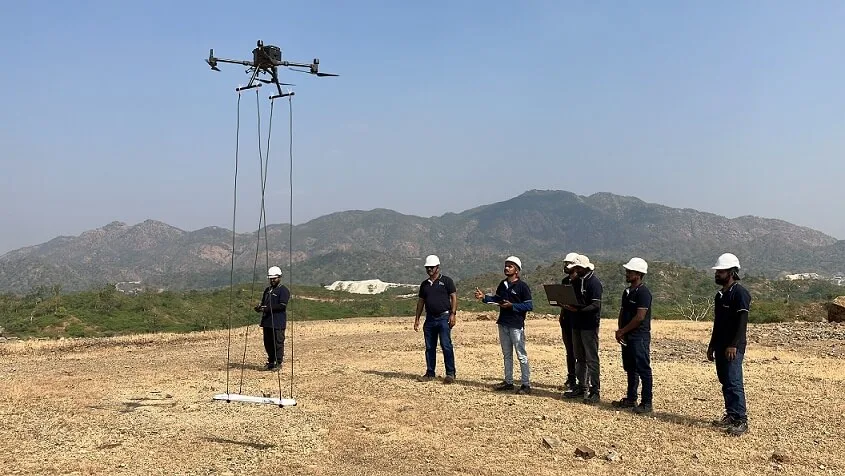
The remote nature of the discovery site presents unique challenges for researchers. As noted in the Italian culture ministry's press release, the area is not accessible by conventional paths, requiring the use of drones and remote sensing technology for documentation and study. This technological approach represents a new frontier in paleontological research, allowing scientists to study otherwise inaccessible sites.
Broader Implications and Future Research
This discovery has significant implications for our understanding of dinosaur distribution and behavior in Europe during the Triassic period. The location of the find in the Stelvio National Park, near where the Winter Olympics will take place next year, has prompted cultural reflections about the intersection of natural history and human events. As noted by the Italian Ministry of Culture, "It's as if history itself wanted to pay homage to the greatest global sporting event, combining past and present in a symbolic passing of the baton between nature and sport."
Photographer Elio Della Ferrera, who made the initial discovery, expressed hope that the find would "spark reflection in all of us, highlighting how little we know about the places we live in: our home, our planet." This sentiment underscores the broader significance of paleontological discoveries in helping us understand Earth's deep history and our place within it.
The ongoing research at the site will likely yield additional insights as scientists employ advanced technology to study the footprints without disturbing the fragile mountain environment. This approach represents a model for future paleontological work in challenging locations, balancing scientific discovery with environmental preservation.