Lawyers Warn of Critical Risk to Palestine Action Hunger Strikers in UK Prisons
Legal representatives for eight members of Palestine Action, detained in UK prisons and on hunger strike, have issued urgent warnings that the detainees' lives are at serious risk. The individuals are charged in connection with direct action protests targeting a defence firm and a Royal Air Force base. This situation raises significant legal and human rights concerns regarding the treatment of protestors and the state's duty of care for those in custody.
Legal representatives for eight detained members of the activist group Palestine Action have issued stark warnings that the lives of their clients, who are engaged in a hunger strike, are in immediate danger. According to reports from Al Jazeera, the lawyers have stated the detainees "risk dying" while held in UK prisons. This alarming situation brings to the forefront critical questions about protest rights, state responsibility, and the health of individuals in custody who choose to refuse food as a form of political expression.

The Legal and Humanitarian Crisis
The eight individuals are reportedly charged in connection with what is described as "direct action protests" against a defence firm and a Royal Air Force (RAF) base. While the specific charges and locations have not been detailed in the initial report, the nature of "direct action" typically implies activities intended to physically disrupt the operations of a target, which can include occupations, blockades, or property damage. The decision by these detainees to undertake a hunger strike represents an escalation of their protest, moving it from external targets to their own bodies while under state control.
State Duty of Care and Protester Rights
This case sits at a complex intersection of criminal law, human rights, and medical ethics. The UK prison service has a fundamental duty of care for all individuals in its custody. This duty extends to monitoring the health of hunger strikers and, in extreme circumstances, may involve medical intervention to preserve life, which itself raises profound ethical dilemmas about consent and bodily autonomy. The lawyers' public warning suggests they believe this duty is not being adequately met, or that the physical decline of their clients has reached a critical point where death is a foreseeable outcome.

Broader Context of Activism and Legal Response
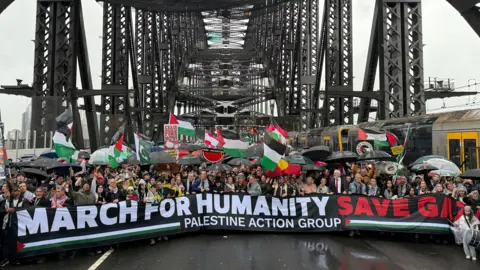
Palestine Action is a group known for its confrontational tactics aimed at companies and facilities it alleges are complicit in Israeli military actions. The UK's legal response to such direct action protests has been a subject of ongoing debate, balancing the right to peaceful protest with the protection of property and national security interests. The detention and subsequent hunger strike of these eight activists will likely intensify this debate, drawing attention from human rights organizations and potentially testing legal precedents regarding the treatment of politically motivated prisoners.
The situation remains fluid, with the health of the hunger strikers being the most pressing concern. The public intervention by their lawyers is a clear attempt to apply external pressure on the authorities to address the welfare of the detainees or to reconsider the conditions of their detention. The outcome will have significant implications not only for the individuals involved but for the framework governing protest and custody in the United Kingdom.