Alabama's Historic Comeback: First Road Win in CFP History
The 2025 College Football Playoff opened with a historic moment as the Alabama Crimson Tide became the first road team to win a playoff game, rallying from a 17-0 deficit to defeat Oklahoma 34-24. This dramatic comeback in Norman revealed critical insights about momentum shifts, special teams' impact, and the psychological resilience required in postseason football. The game highlighted Alabama's defensive adjustments and Oklahoma's offensive limitations, setting up an intriguing Rose Bowl matchup against top-seeded Indiana. This analysis explores the key turning points and what they mean for both programs moving forward.
The 2025 College Football Playoff began with a seismic shift in postseason dynamics. For the first time in the playoff era, a road team emerged victorious as the Alabama Crimson Tide staged a remarkable comeback against the Oklahoma Sooners, overcoming a 17-0 deficit to win 34-24 in Norman. This game not only rewrote the playoff record books but provided a masterclass in momentum management, defensive adjustment, and postseason resilience.

The Momentum Swing: A Game of Two Halves
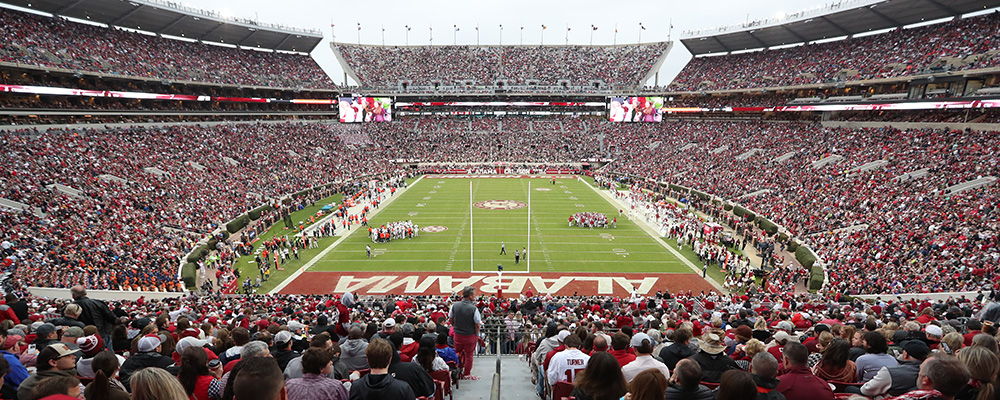
The contest unfolded as a textbook example of momentum's powerful role in football. Oklahoma dominated the opening quarter, building a commanding 17-0 lead while outgaining Alabama by a staggering 181-12 margin. The Sooners' offense operated with precision, and their defense completely stifled Alabama's attack. However, the game transformed dramatically over the next 21 minutes as Alabama outscored Oklahoma 27-0 and outgained them 194-59.
This momentum shift began with freshman receiver Lotzeir Brooks, whose fourth-and-2 touchdown catch finally put Alabama on the board. Brooks' performance ignited the Crimson Tide, and his second touchdown—a 30-yard reception—gave Alabama its first lead. The defensive pressure on Oklahoma quarterback John Mateer increased significantly, disrupting his rhythm and forcing critical errors.
Critical Turning Points
Several key moments defined this historic comeback. Oklahoma's special teams, typically a strength, collapsed at crucial junctures. A botched punt in the second quarter—where punter Grayson Miller dropped the ball during his motion—gave Alabama possession at the Oklahoma 30-yard line. Although the Tide only managed a field goal, this sequence prevented Oklahoma from potentially extending their lead to 24-3.
The most dramatic momentum shift came just before halftime when Alabama cornerback Zabien Brown intercepted a John Mateer pass and returned it 50 yards for a touchdown, tying the game at 17-17. This pick-six completely altered the game's psychological landscape, sending Alabama into halftime with momentum and Oklahoma reeling.
Oklahoma's Offensive Limitations Exposed
Oklahoma's season-long offensive struggles proved decisive in their playoff exit. Despite ranking third in defensive SP+ and 21st in special teams SP+, the Sooners' offense ranked just 49th in offensive SP+—the worst among all playoff teams. After a brilliant start where Mateer completed 10 of 15 passes for 132 yards with both a passing and rushing touchdown, the offense completely stalled.
Over his final 31 pass attempts, Mateer managed just 149 yards while suffering five sacks and throwing the critical interception. His rushing effectiveness also disappeared, with his last nine non-sack carries gaining only 15 yards. This offensive collapse placed unsustainable pressure on Oklahoma's defense and special teams, which ultimately couldn't compensate for the scoring drought.
Historical Context and Implications
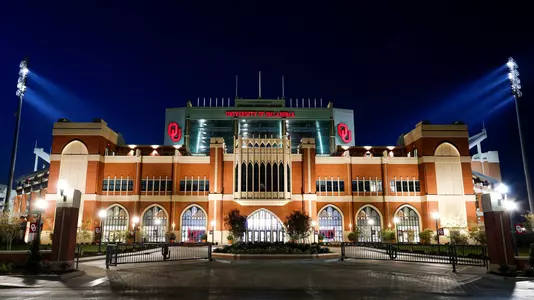
This loss places Oklahoma in unfortunate historical company. According to ESPN analysis, teams with 17-point leads in College Football Playoff history now hold a 28-2 record—with both losses belonging to Oklahoma. This statistic underscores the program's recurring difficulty in maintaining leads in critical postseason moments.
For Alabama, the victory represents more than just advancing to the Rose Bowl. It demonstrates the program's resilience and ability to perform under pressure, qualities that have defined their success throughout the Nick Saban era. Despite Saban's retirement, his influence remains evident in the team's mental toughness and strategic adjustments during adversity.
Looking Ahead: Rose Bowl Challenge
Alabama's reward for this historic comeback is a January 1st matchup against top-seeded Indiana in the Rose Bowl. The Hoosiers present a formidable challenge with Heisman Trophy winner Fernando Mendoza leading one of the nation's most potent offenses. Alabama's defense, which held Oklahoma to just 260 total yards, will face its stiffest test of the season.
The key to Alabama's Rose Bowl prospects likely rests with quarterback Ty Simpson and the passing game. Against Oklahoma, Simpson completed 18 of 29 passes for 232 yards with two touchdowns but suffered four sacks and displayed inconsistent footwork. Indiana's defense ranks seventh in sack rate and excels at generating pressure without blitzing, having limited Oregon's Dante Moore and Ohio State's Julian Sayin to just 5.1 yards per dropback with 11 sacks and three interceptions.
Program Crossroads
For Oklahoma, this loss raises significant questions about the program's direction. Head coach Brent Venables must evaluate whether to maintain the current offensive structure or pursue more substantial changes. The addition of coordinator Ben Arbuckle and quarterback John Mateer produced only marginal offensive improvement, and Mateer's performance declined following a midseason hand injury.
The Sooners must determine whether better health and an improved running game can elevate the offense to championship level or if more fundamental changes are necessary. This offseason will be critical for Venables as he attempts to align all aspects of the program toward consistent championship contention.
Alabama's victory in Norman represents more than just a playoff win—it's a testament to championship resilience and strategic adaptability. As the first road team to win a playoff game, the Crimson Tide have rewritten postseason expectations and demonstrated that momentum, properly harnessed, can overcome even the most daunting deficits. Their Rose Bowl matchup against Indiana promises to be another chapter in what has already been a historic playoff journey.