The Doomed Chris Paul-Clippers Reunion: A Tale of Misaligned Expectations and Dysfunction
The much-hyped reunion between future Hall of Famer Chris Paul and the LA Clippers ended abruptly after just 21 games, exposing fundamental misalignments between player and organization. What began as a storybook ending for Paul's career devolved into a toxic combination of miscalculations, miscommunication, and shocking underperformance. This analysis explores how divergent expectations about Paul's role, leadership style conflicts, and organizational dysfunction led to one of the NBA's most dramatic mid-season separations, with implications for both Paul's legacy and the Clippers' future direction.
The storybook ending that Chris Paul and the LA Clippers envisioned when they reunited in the summer of 2025 lasted just 21 games before collapsing into one of the NBA's most dramatic mid-season separations. What was supposed to be a karmically pleasing retirement tour for the future Hall of Fame point guard instead became a case study in how misaligned expectations, leadership style conflicts, and organizational dysfunction can derail even the most narratively compelling reunions. The abrupt decision to send Paul home from a road trip in December 2025, just as the team was spiraling with a 5-16 record, revealed deeper issues within both the player's approach and the franchise's direction.
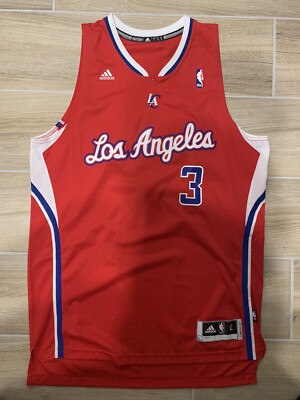
The Divergent Expectations Gap
At the heart of the failed reunion was a fundamental disconnect between what the Clippers organization wanted from Paul and what Paul believed he could contribute. According to sources close to the situation, the team envisioned Paul's role as an "end-of-the-bench, veteran leader who needed little maintenance" when they signed him to a one-year, $3.6 million contract. In the official release announcing Paul's signing, Clippers president Lawrence Frank explicitly described Paul's role as "reserve," and multiple sources confirmed Frank communicated this limited role to players concerned about how Paul's presence might affect their minutes.
Paul, who had started all 82 games for the San Antonio Spurs the previous season, initially indicated he was comfortable with this arrangement during summer discussions. However, he also stressed he wanted "a chance to compete" and promised to serve as "an extension of the coaching staff." This subtle but significant difference in interpretation created the first cracks in what would become an irreparable relationship. As one executive with another team noted, "If all they wanted was a cheerleader, why did they sign Chris Paul? I mean, they had him before. They knew what he was like."
Leadership Style Clashes and Cultural Misalignment
Paul's leadership approach, honed over 20 NBA seasons and his tenure as president of the NBA Players Association, immediately clashed with the Clippers' established culture. The team's locker room, described by sources as "not particularly active, even after wins," represented a stark contrast to Paul's vocal, hands-on leadership style. When Paul attempted to facilitate post-game discussions after losses or offered suggestions about training methods, the organization perceived these actions as undermining rather than supporting.
The tension escalated during training camp when Paul's second unit "routinely [beat] the starters," according to forward John Collins. Paul's preseason performance—averaging 8.3 points and 5.3 assists in 19 minutes per game—exceeded the limited role originally discussed and "empowered Chris and changed the expectations," as one source described. Head coach Tyronn Lue appreciated Paul's competitive spirit, but this created confusion about his actual standing within the team hierarchy.
The Breaking Points
Several specific incidents accelerated the deterioration of Paul's relationship with the organization. After a November 6 game against the Phoenix Suns, where Paul was benched for the second half despite James Harden and Kawhi Leonard being unavailable, tensions reached a critical point. The following morning, Paul and Frank engaged in a pivotal meeting where Paul expressed concerns about the team's culture—noting the lack of communication in group chats and limited off-court bonding—while Frank countered that Paul's leadership was being perceived as "subversive rather than helpful."
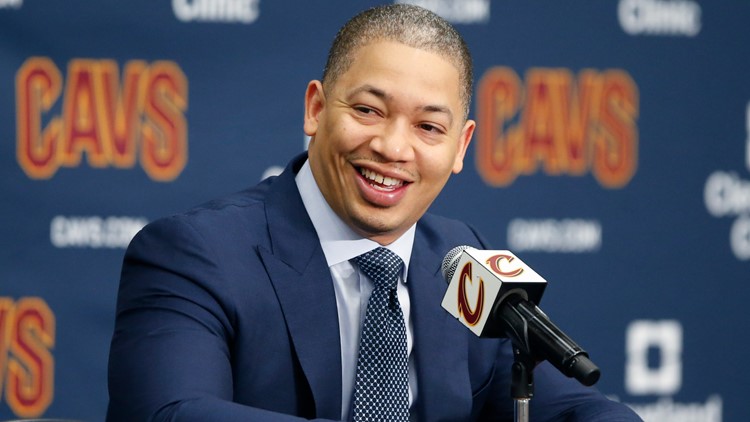
A subsequent 40-minute phone call between Paul and Lue failed to resolve these issues. Instead, Lue informed Paul he would be removed from the rotation entirely, citing defensive struggles against "younger, faster offenses" as the rationale. This decision began a stretch of five consecutive games where Paul received DNP-CDs (Did Not Play - Coach's Decision), further alienating him from the team's plans.
The Final Straw and Abrupt Departure
The breaking point occurred on November 30 during a team flight to Miami, when tensions between Paul and associate head coach Jeff Van Gundy erupted into open conflict. Van Gundy confronted Paul about allegedly changing defensive coverages without approval during a recent loss to the Dallas Mavericks. Paul defended himself by physically walking down the plane aisle to consult teammates Kawhi Leonard and Kris Dunn about whether he had "suggested" or actually "changed" the coverage—an action that sources said was perceived as particularly divisive.
That night, the organization decided it had "finally had enough," as one executive characterized it. Frank met with Paul in his Atlanta hotel room around 11 p.m. on December 2 and informed him the team was sending him home immediately. Despite Paul's attempts to plead his case—even bringing teammate Brook Lopez into the room as a character witness—Frank held firm that the decision was final. The timing and manner of the dismissal bewildered many around the league, with one source noting, "This isn't a G League guy. This is Chris Paul. There's ways to do it where he can save a little face."
Broader Implications and Future Consequences
The failed reunion carries significant implications for both parties. For Paul, the abrupt end to what was supposed to be his farewell season with the franchise where he achieved his greatest team success represents a disappointing conclusion to his Clippers legacy. For the organization, the situation exposes deeper issues within a team that has managed just one conference finals appearance during the six-season Kawhi Leonard era despite massive investment and expectations.
The Clippers' current predicament is compounded by their future draft obligations to the Oklahoma City Thunder—including an unprotected 2026 first-round pick acquired in the Paul George trade. Each loss this season increases the likelihood that the reigning champion Thunder will receive a high lottery selection from the Clippers, creating additional pressure on a team that now sits at 6-20 following Paul's departure.
Conclusion: Lessons from a Failed Reunion
The Chris Paul-Clippers reunion serves as a cautionary tale about the challenges of reconciling past relationships with present realities in professional sports. Both parties entered the arrangement with seemingly good intentions—Paul seeking a meaningful conclusion to his Hall of Fame career, and the Clippers hoping to address a leadership vacuum while providing a nostalgic storyline for their fanbase. However, as one source summarized, "endings are rarely clean or painless in the NBA," and this particular ending was "born out of the most flammable combination in sports: misconceptions and dysfunction."
The aftermath has left both parties in uncertain positions. Paul awaits either a trade or buyout while working out at facilities recently acquired by the NBPA, the organization he once led. The Clippers continue to struggle on the court while facing questions about their organizational culture and future direction. As John Collins observed after Paul's departure, "It's definitely a lot quieter without him here"—a statement that captures both the relief from tension and the absence of the intense leadership that initially made the reunion seem so appealing.