Read on Global News
A Hiker's Watch Reveals the Final Moments of a Fatal Bear Attack in Japan
A tragic bear attack in Japan's Hokkaido region has provided a chilling glimpse into the growing human-wildlife conflict, as data from a victim's smartwatch logged his final moments. The incident occurred on Mount Rausu in August 2025, where a hiker was killed by a brown bear. His watch recorded the sudden deviation from the trail, erratic movements, and the precise moment his heart stopped. The data also suggested the bear returned the next day to retrieve the body. This attack is part of a record-breaking year in Japan, with 13 fatalities and 220 attacks reported since April, prompting significant government response and raising questions about coexistence in changing environments.
The serene landscapes of Japan's northern wilderness conceal a growing and deadly conflict. In August 2025, a routine hike on Mount Rausu in Hokkaido ended in tragedy when a man was fatally mauled by a brown bear. What makes this incident uniquely harrowing is the digital testimony left behind: data from the victim's GPS-enabled smartwatch, which meticulously recorded his final movements and the moment his heart stopped. This case, reported by Global News and Japanese outlets like Asahi Shimbun, offers a sobering, data-driven look at a bear attack and underscores a broader crisis of record-breaking human-bear encounters across Japan.

The Fatal Encounter on Mount Rausu
The attack occurred on August 14, 2025. The victim, who had recently become engaged, was hiking with a friend along a trail on the 1,661-meter peak. According to the report, he was walking approximately 200 meters ahead near an area known as the "560-meter rocky peak" when his friend heard a cry for help. Rushing down a slope, the friend witnessed the horrifying scene of the man being dragged into the bushes by a brown bear.
What the Watch Data Revealed
The retrieved smartwatch provided a chilling timeline. At around 11 a.m., the GPS data showed a sudden and erratic deviation from the established hiking trail. The log indicated a descent down a tree-lined slope and circling movements in a thickly foliated area, consistent with a struggle. Most critically, the integrated heart rate monitor showed that the man's heart stopped beating at a location between 90 and 120 meters from the original trail, confirming the time of death.
The Bear's Return
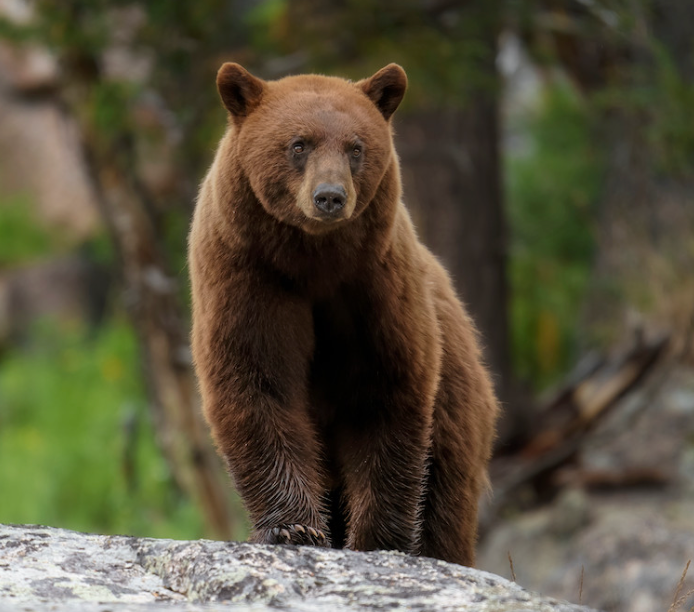
In a macabre twist, the watch data indicated that the bear likely returned for the body. The device remained stationary at the death site overnight but began moving again around 9:00 a.m. the following morning. It was dragged more than 100 meters through the woods. Three days later, a bear accompanied by two cubs was seen dragging the body. All three bears were subsequently killed by hunters. The man's remains, which his parents were advised to identify only by his face due to the severity of the injuries, were found near a pile of earth dug up by the animal.
A Record Year for Bear Attacks in Japan
The Hokkaido mauling is not an isolated incident but part of a alarming national trend. According to data from the Japanese environment ministry cited by Global News, Japan has experienced a record number of bear attacks since the start of April 2025. The statistics are stark: 13 people have been killed, and the total number of attacks has reached 220. The northern prefecture of Iwate has been particularly hard hit.
Urban Encounters and Government Response
Attacks are no longer confined to remote wilderness. In a sign of bears encroaching on human settlements, a man was mauled while exiting a public restroom near Numata railway station in Gunma Prefecture, a busy urban area north of Tokyo. He sustained leg injuries but survived by yelling and kicking in self-defense. This incident followed other urban encounters, including a bear entering a grocery store and attacking people in the parking lot.
In response to the crisis, the Japanese government has taken significant measures. A draft supplementary budget has allocated approximately 3.4 billion yen (about $22 million USD) for bear-control measures. The military has been mobilized to assist declining local hunter populations in trapping bears, and armed police have been permitted to shoot the animals when necessary.

Analysis and Implications
The data from the hiker's watch transforms a tragic story into a valuable, albeit grim, case study. It provides concrete evidence of bear behavior post-attack and the brutal efficiency of such encounters. The broader trend of increasing attacks points to complex environmental factors, including potential habitat loss, changes in food availability, and a shrinking rural human population that may reduce deterrence in traditional bear territories.
The Japanese government's financial and logistical response highlights the severity with which the threat is being taken. The situation presents a critical challenge for wildlife management, balancing public safety with conservation efforts for a native species.
The story of the hiker on Mount Rausu, etched into the memory of a smartwatch, serves as a powerful and tragic reminder of the unpredictable power of nature. It underscores the importance of preparedness, awareness, and respect for wildlife when venturing into their domain. As Japan grapples with this unprecedented spike in conflicts, the incident will likely inform future safety protocols for hikers and shape policies aimed at fostering safer coexistence between humans and bears in a changing landscape.