Stress and Biology: How Rodent Research Uncovers Vulnerability to Cannabis Use
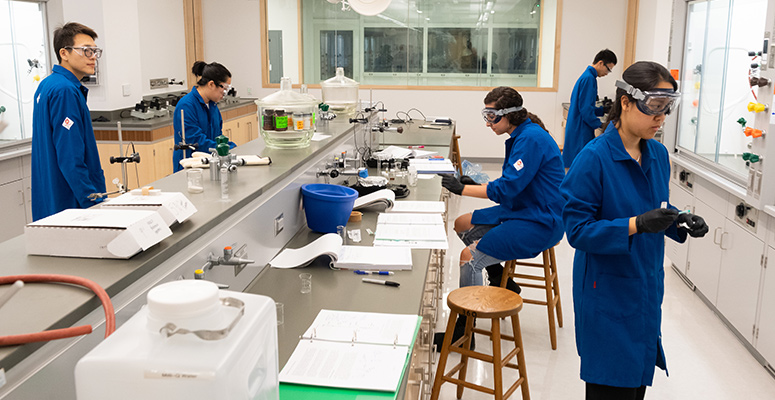
A groundbreaking study from Washington State University reveals that rats with naturally high baseline stress hormones are significantly more likely to seek out and self-administer cannabis vapor. The research, published in Neuropsychopharmacology, identifies baseline corticosterone levels as the strongest predictor of cannabis-seeking behavior, with lower cognitive flexibility and endocannabinoid levels also playing contributory roles. These findings offer crucial insights into potential biological and behavioral markers that could indicate a predisposition to problematic substance use, highlighting the complex interplay between stress, cognition, and neurobiology in drug-seeking motivation.
Understanding why individuals develop problematic relationships with substances like cannabis is a critical challenge in neuroscience and public health. A pivotal study from Washington State University, published in the journal Neuropsychopharmacology, provides compelling new evidence by turning to an unlikely subject: the common laboratory rat. The research demonstrates a clear, predictive link between an animal's inherent stress biology and its motivation to seek cannabis, offering a potential model for identifying vulnerability in humans.

The Core Discovery: Stress Hormones as a Primary Predictor
The central finding of the study is both stark and significant. Researchers, led by Associate Professor Ryan McLaughlin, discovered that a rat's resting, or baseline, level of the stress hormone corticosterone was the single strongest predictor of its subsequent cannabis-seeking behavior. Over a three-week observation period, rats were given daily one-hour sessions where they could choose to self-administer cannabis vapor by performing a "nose-poke" into a designated port. The data showed a direct correlation: animals that started with higher natural corticosterone levels consistently performed more nose-pokes to obtain the drug.
This finding aligns with the common human experience of using substances to cope with stress. As McLaughlin explained, "the most common reason that people habitually use cannabis is to cope with stress." The research importantly distinguishes between baseline stress and acute stress responses. While spikes in stress hormones from specific challenges showed no meaningful link to drug-seeking, the animal's underlying, tonic stress state proved to be a powerful indicator of vulnerability.

Contributing Factors: Cognitive Rigidity and Neurochemistry
Beyond stress hormones, the study identified two other key factors that contributed to increased cannabis use. The first is cognitive flexibility—the mental ability to adapt behavior when rules or environmental conditions change. Rats that performed poorly on tests designed to measure this adaptability were significantly more motivated to seek cannabis. These animals tended to rely more heavily on rigid, cue-based decision-making, a trait that correlated strongly with a higher drive to self-administer the drug.
The second factor involves the body's internal cannabinoid system. The researchers found that a combination of high morning corticosterone and low levels of naturally occurring endocannabinoids was also associated with increased cannabis use, though this link was weaker than that of baseline stress alone. Endocannabinoids are compounds the body produces to help maintain internal balance (homeostasis). This finding supports a "substitution" hypothesis, where the psychoactive component of cannabis, THC, may be sought to compensate for a perceived or actual deficit in the body's own cannabinoid signaling.
Implications for Understanding Human Vulnerability
This rodent model provides a valuable lens through which to view human substance use. The identification of pre-existing biological and behavioral markers—specifically high baseline cortisol (the human equivalent of corticosterone), low cognitive flexibility, and low endocannabinoid tone—opens new avenues for research into prevention. As McLaughlin noted, these findings "highlight potential early or pre-use markers that could one day support screening and prevention strategies." In a future scenario, assessing an individual's baseline stress physiology could offer insights into their propensity for developing problematic drug use patterns.
The research arrives at a critical time, as cannabis legalization expands across many regions. A deeper understanding of the factors that drive use from casual to compulsive is essential for developing targeted public health interventions. This study shifts the focus toward inherent vulnerability, suggesting that for some individuals, the motivation to use cannabis is deeply rooted in their neurobiological and psychological makeup, particularly their relationship with stress.
Conclusion and Future Directions
The Washington State University study makes a compelling case that vulnerability to cannabis seeking can be predicted by a confluence of measurable traits, with chronic stress biology at the forefront. By demonstrating that rats with high stress, low flexibility, and specific neurochemical profiles are more likely to choose cannabis, the research provides a robust animal model for future investigations. The ultimate goal is to translate these findings into human applications, potentially leading to personalized strategies that identify at-risk individuals before problematic use begins and offer them alternative, healthier coping mechanisms for stress. This work underscores a fundamental principle: substance use behavior is not merely a choice, but often a complex response shaped by underlying biology.