The Rise and Fall of Running Tide: A Cautionary Tale in Marine Carbon Removal
Running Tide, a climate startup backed by Microsoft, Stripe, and Shopify, promised revolutionary carbon removal through ocean-based solutions. Initially proposing free-floating seaweed 'micro forests,' the company ultimately resorted to dumping thousands of tons of chemically treated wood chips into Icelandic waters. This article examines how the startup's ambitious vision collapsed amid scientific skepticism, regulatory challenges, and questions about its actual carbon sequestration effectiveness, leaving behind a complex legacy in the emerging marine geoengineering sector.
In the rapidly evolving landscape of climate technology, few stories capture the promise and peril of marine carbon removal like that of Running Tide. Backed by tech giants including Microsoft, Stripe, and Shopify, this startup positioned itself at the cutting edge of climate innovation with a bold vision: using ocean-based solutions to remove atmospheric carbon at scale. Yet, as detailed in WIRED's investigation, the company's journey from promising startup to controversial operator reveals fundamental challenges facing the emerging marine geoengineering sector.
From Seaweed Dreams to Wood Chip Reality
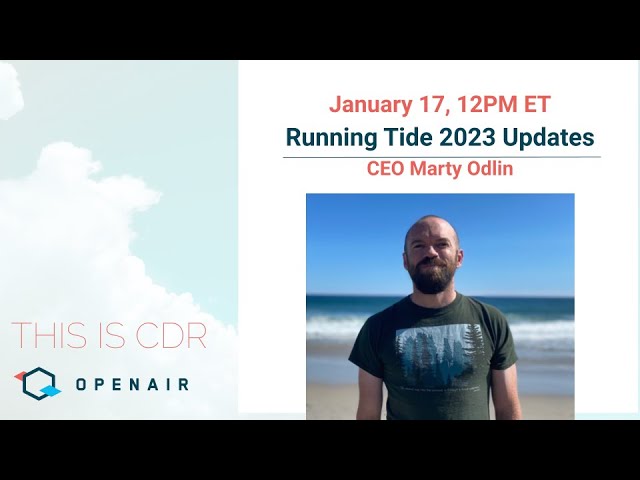
Founded in 2017 by Marty Odlin, whose family had operated a successful groundfishing fleet in Maine, Running Tide initially captured investor imagination with its vision of free-floating "micro forests." The company proposed creating biodegradable buoys seeded with kelp spores that would float in the ocean, absorb carbon, then sink under their own weight—theoretically sequestering carbon for over 800 years in the deep sea. This compelling narrative secured early credit purchases from Shopify in 2020 and Stripe in 2021, followed by a $54 million Series B funding round led by Lowercarbon Capital.
However, field experiments in Casco Bay, Maine, revealed significant challenges. According to former employees interviewed by WIRED, the company struggled to grow meaningful quantities of seaweed, with one source estimating actual production at "maybe not even 10 tons" rather than the promised 10,000 tons. Internal documents showed the company was aware of scaling difficulties, and some former staff reported concerns about data presentation and safety protocols during diving operations.

The Icelandic Experiment and Scientific Concerns
Facing challenges in Maine, Running Tide shifted operations to Iceland in 2022, drawn by what Odlin called the country's "head and shoulders" marine expertise and favorable conditions. The company's plans evolved significantly during the permitting process, shifting focus from seaweed-sinking buoys to dumping chemically treated wood chips. According to Icelandic environmental authorities, Running Tide's application was "not up to standard" and lacked sufficient quantification of carbon removal or ecosystem impacts.
Hrönn Egilsdóttir, head of the Environmental Division at Iceland's Marine and Freshwater Research Institute, recommended extensive research on effectiveness and environmental impacts before approval. Despite these concerns, Icelandic ministers granted Running Tide a research permit in May 2023—the first of its kind in the country—with the environment minister at the time describing it as "the largest permanent carbon-capture project in the world."
Questionable Methods and International Violations
Throughout summer 2023, Running Tide conducted at least 11 deployments from Grundartangi Harbor, dumping approximately 25,000 tons of chemically treated Canadian wood chips into Icelandic waters. The company claimed these chips, coated with alkaline dust from industrial lime kilns, would both enhance ocean alkalinity and sequester carbon through sinking. However, scientific experts raised fundamental questions about this approach.
Jón Ólafsson, professor emeritus at the University of Iceland and an expert in Arctic carbon fluxes, told WIRED that "throwing wood chips into the ocean does nothing for the atmosphere" in those locations. His research indicated the ocean in those areas naturally releases as much carbon in winter as it fixes in summer. Furthermore, analysis of ship tracking data suggests Running Tide may have violated the exclusive economic zones of the Faroe Islands, Canada, and Denmark without seeking permission.

Market Dynamics and Corporate Accountability
Running Tide's operations coincided with significant shifts in carbon credit markets. Following controversies in traditional offsetting—including the South Pole Kariba project debacle where Verra concluded over half of 26.8 million credits should be canceled—some corporations began embracing direct purchases of unverified carbon removal credits. Microsoft, which purchased 12,000 tons of Running Tide credits in March 2023, reported buying 2.8 million tons of carbon removal credits in 2023, with only 42,000 third-party verified.
When asked about discrepancies between what Microsoft ordered (seaweed-sinking credits) and what Running Tide delivered (wood-chip sinking), company spokesperson Ben Wilsker stated: "When credits don't meet those standards, as was the case with some deliveries from Running Tide, we don't count them toward our carbon accounting." This highlights ongoing challenges in corporate carbon accounting and verification.
Legacy and Industry Implications
Running Tide ceased operations in June 2024, with Odlin citing insufficient market demand despite having sold $30 million in credits. The company's legacy raises critical questions about marine geoengineering oversight. Scientists like Samantha Joye of the University of Georgia warn that dumping biomass could create "dead zones" and disrupt delicate deep-sea ecosystems that provide life-saving drugs and insights into Earth's formation.
Despite Running Tide's collapse, investment in marine carbon removal continues. Microsoft signed the world's largest marine carbon removal agreement with Ebb Carbon in October 2024, while companies like Planetary Technologies and Equatic continue developing ocean-based solutions. The sector faces fundamental questions about regulation, verification, and environmental impact that Running Tide's story brings into sharp focus.
As the climate crisis intensifies, the tension between urgent action and careful scientific validation remains unresolved. Running Tide's journey from tech darling to cautionary tale underscores the need for robust oversight, transparent verification, and thorough environmental assessment in the emerging field of marine carbon removal—a sector where the stakes for both climate and ocean health could not be higher.