New Anti-Aging Research: Cancer Drug and Gut Microbes Reveal Pathways to Longevity
Groundbreaking research from Queen Mary University of London reveals surprising connections between cancer drugs, gut microbes, and aging. A next-generation TOR inhibitor, rapalink-1, has demonstrated lifespan-extending properties in yeast models, while the study uncovered a critical metabolic feedback loop involving agmatinase enzymes. These findings suggest diet and the microbiome may play a more significant role in longevity than previously understood, offering new avenues for healthy aging research that bridges pharmacology and nutrition.
Recent scientific discoveries are reshaping our understanding of aging, revealing unexpected connections between cancer therapeutics, metabolic pathways, and our gut microbiome. A landmark study from Queen Mary University of London has demonstrated that a next-generation cancer drug can extend lifespan in simple organisms while uncovering a previously unknown metabolic system that regulates aging. This research not only advances anti-aging science but also highlights the profound influence of diet and gut bacteria on our biological clocks, suggesting that longevity may be more malleable than we once thought.
The TOR Pathway: A Master Regulator of Growth and Aging
At the heart of this discovery lies the Target of Rapamycin (TOR) pathway, an evolutionarily conserved signaling system present in organisms from yeast to humans. The TOR pathway serves as a central hub for regulating cellular growth, metabolism, and ultimately, the aging process. It's closely linked to major age-related conditions including cancer and neurodegenerative diseases, making it a prime target for both anti-aging and cancer research. Pharmaceutical interventions targeting TOR, such as rapamycin, have already shown promise in extending healthy lifespan in various animal models, establishing this pathway as crucial to longevity science.
Rapalink-1: A Next-Generation Anti-Aging Candidate
The study focused on rapalink-1, an experimental TOR inhibitor currently under investigation for potential cancer therapy applications. Researchers found that this compound could extend the chronological lifespan of fission yeast—a simple organism widely used to study fundamental biological processes. According to the research published in Communications Biology, rapalink-1 operates through TORC1, the growth-promoting component of the TOR pathway, slowing certain aspects of yeast cell growth while simultaneously extending their lifespan. This dual effect suggests that modulating growth pathways may be key to promoting longevity.

The Agmatinase Discovery: A Metabolic Feedback Loop
Perhaps the most surprising finding from the research was the identification of a critical role for agmatinases—enzymes that convert the metabolite agmatine into polyamines. These enzymes participate in a previously unrecognized "metabolic feedback loop" that helps maintain balanced TOR activity. When researchers disrupted agmatinase function, yeast cells exhibited accelerated growth but showed signs of premature aging, revealing a fundamental trade-off between rapid cellular proliferation and long-term survival. The study also found that supplementing with agmatine or its related compound putrescine could support yeast longevity under specific conditions.
Diet, Gut Microbes, and Their Role in Aging
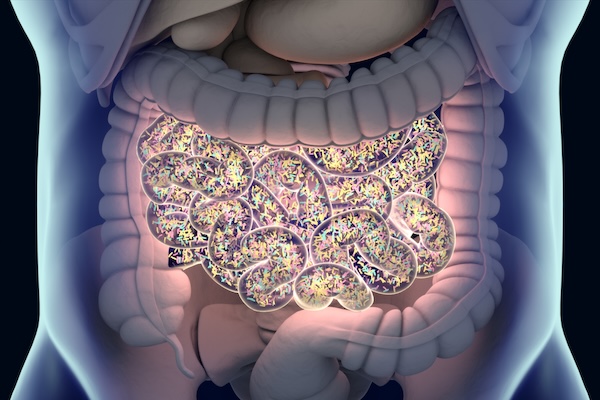
This research carries significant implications for our understanding of how lifestyle factors influence aging. Since agmatine is produced through dietary sources and by gut microbes, the findings suggest that nutrition and the microbiome may exert substantial influence over the aging process through this newly discovered metabolic pathway. Dr. Charalampos Rallis, lead researcher on the study, emphasized this connection, stating that "because agmatine is produced by diet and gut microbes, this work may help explain how nutrition and the microbiome influence aging." This bridges the gap between pharmacological interventions and natural, lifestyle-based approaches to healthy aging.
Cautions and Future Directions
Despite the promising findings, researchers urge caution regarding premature applications. Dr. Rallis specifically warned against indiscriminate use of commercially available agmatine supplements, noting that "our data indicate the agmatine supplementation can be beneficial for growth only when certain metabolic pathways related to arginine breakdown are intact. In addition, agmatine does not always promote beneficial effects as it can contribute to certain pathologies." These cautions highlight the complexity of metabolic regulation and the need for further research before translating these findings into human interventions.
The study opens new avenues for interdisciplinary approaches to aging research, suggesting that future strategies might combine TOR-targeting pharmaceuticals with dietary modifications or microbiome-based interventions. This integrated approach could prove particularly valuable for addressing age-related conditions including cancer, neurodegenerative diseases, and metabolic disorders. As research continues to unravel the complex connections between our genes, our environment, and our microbial partners, we move closer to developing comprehensive strategies for promoting healthy longevity across the lifespan.