 Read on cbsnews.com
Lawmakers Express Grave Concern Over Pentagon's Alleged Drug Boat Strike Video
A closed-door congressional briefing on a U.S. military strike against an alleged Venezuelan drug boat has left lawmakers deeply troubled. Democratic Rep. Jim Himes described the video shown as "one of the most troubling things I've seen in my time in public service," characterizing it as an attack on "shipwrecked sailors." The incident, which involved a follow-on strike that killed two survivors of an initial missile attack, has sparked bipartisan concern and questions about its legality, with some Democrats suggesting it could constitute a war crime. The briefing by top military officials has intensified scrutiny on the administration's campaign against drug traffickers in the Southern Hemisphere.
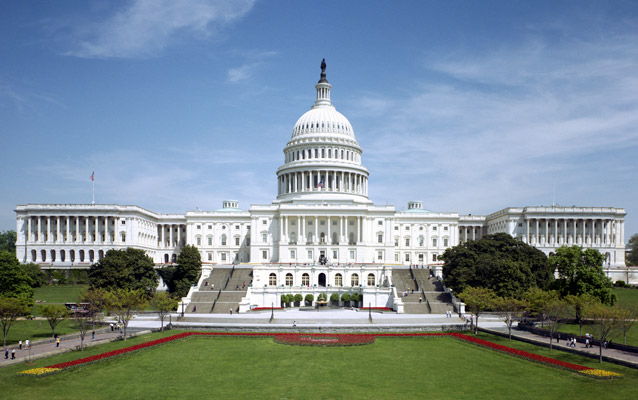
A closed-door briefing on Capitol Hill has ignited significant controversy and concern among lawmakers regarding U.S. military actions in the Southern Hemisphere. Military officials, including Gen. Dan Caine, Chairman of the Joint Chiefs of Staff, and Adm. Frank "Mitch" Bradley, head of Special Operations Command, presented video evidence to congressional leaders that has been described in deeply troubling terms by those who viewed it. The briefing focused on the Trump administration's campaign against alleged drug trafficking vessels, specifically a September 2nd incident that has become a flashpoint for debate over military rules of engagement and legal authority.
The core of the controversy stems from a follow-on strike against an alleged Venezuelan drug boat. According to reports, after an initial missile attack, a second strike was conducted that killed two individuals who were survivors of the first attack and were reportedly attempting to climb back onto their damaged vessel. Defense Secretary Pete Hegseth has stated that the decision to execute this second strike was made by Adm. Bradley, the mission's commander. This detail has placed the incident under intense scrutiny from both sides of the political aisle.
A Troubling Description from a Senior Lawmaker
The reaction from Democratic Rep. Jim Himes of Connecticut, the top Democrat on the House Intelligence Committee, was particularly stark. Speaking to reporters after viewing the classified video, Himes stated, "What I saw in that room [was] one of the most troubling things I've seen in my time in public service." He elaborated on his perception of the events depicted, telling reporters, "You have two individuals in clear distress without any means of locomotion, with a destroyed vessel, who are killed by the United States."
Himes further emphasized that the visual would be disturbing to any American citizen, arguing that without proper context, the footage appears to show an attack on helpless individuals. "Any American who sees the video that I saw will see the United States military attacking shipwrecked sailors — bad guys, bad guys — but attacking shipwrecked sailors," he said. He acknowledged the broader context provided by officials—namely that the individuals were carrying drugs and were no longer capable of continuing their mission—but maintained that the imagery itself was profoundly problematic.

Legal Questions and Allegations
The incident has raised serious legal questions and allegations. Some Democratic lawmakers and experts have questioned the legality of the follow-on strike, with accusations surfacing that targeting survivors could potentially constitute a war crime. These concerns were amplified by an initial Washington Post report, which cited an anonymous source claiming that Defense Secretary Hegseth had verbally ordered before the first strike that no one be spared, allegedly stating, "The order was to kill everybody." Secretary Hegseth has denied this account.
In the congressional briefing, Adm. Bradley reportedly told lawmakers that "there had not been a 'kill them all' order, and that there was not an order to grant no quarter," directly contradicting the Post's reporting. Despite this clarification, the fundamental action of striking individuals who were survivors of an initial attack remains the central issue driving congressional concern and promised investigations.
Broader Context of the Administration's Campaign
This strike was the first in an administration campaign that has, to date, destroyed more than 20 boats and killed over 80 people in operations against alleged drug traffickers in the Southern Hemisphere. The administration has justified these actions by designating drug cartels as terrorist organizations, arguing this provides the legal authority to conduct strikes without specific congressional authorization, as U.S. troops are not considered to be in immediate harm's way during these operations.
However, this lack of congressional authorization had already attracted scrutiny from lawmakers even before the details of this particular strike emerged. The controversy has now intensified, placing Secretary Hegseth and the administration's strategy under a microscope. President Trump has said he would support releasing the video publicly, a move that could further inflame the debate depending on its content.
The closed-door briefing has succeeded in alarming key members of Congress across party lines, setting the stage for continued investigation and debate over the rules of engagement, the legal boundaries of military force against non-state actors, and the transparency of executive branch actions in ongoing military campaigns.