Toxic Metals Found in Children's Toys: Brazilian Study Reveals Safety Crisis
A comprehensive Brazilian study has uncovered alarming levels of toxic metals in popular children's toys, with barium and lead contamination posing significant health risks. Researchers from the University of São Paulo and Federal University of Alfenas analyzed 70 toys using advanced laboratory methods, finding that many products exceeded safety limits by substantial margins. The investigation revealed 21 hazardous elements in toys designed for children aged 0-12, highlighting urgent regulatory gaps and the need for stronger safety enforcement in the toy industry.
A groundbreaking Brazilian study has exposed a critical safety issue in the children's toy market, revealing widespread contamination with toxic metals that pose serious health risks to young children. Conducted by researchers from the University of São Paulo (USP) and Federal University of Alfenas (UNIFAL), this comprehensive investigation represents the most extensive analysis of chemical contamination in toys ever conducted in Brazil.

Alarming Contamination Levels
The study examined 70 different toys purchased from various retail outlets across Brazil, including both large shopping centers and smaller discount stores. The research team intentionally selected products targeting families from different socioeconomic backgrounds to ensure the findings reflected the broader market reality. Many of the tested toys were specifically designed for children aged 0-12 years and were sized and shaped in ways that facilitate oral exploration, significantly increasing exposure risks.
Key Toxic Elements Identified
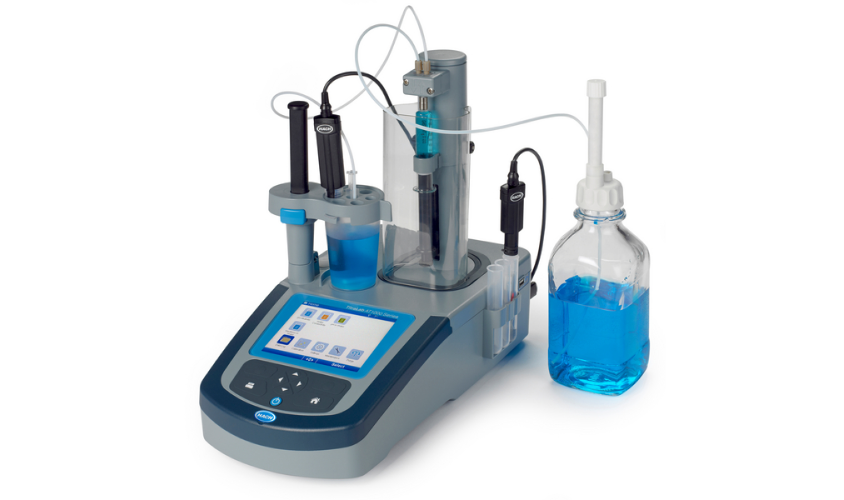
Using sophisticated analytical techniques including inductively coupled plasma mass spectrometry (ICP-MS), researchers detected 21 toxic elements in the toys. The most concerning findings involved barium, which exceeded safety limits in 44.3% of samples, with some concentrations reaching up to 15 times higher than permitted levels. Lead contamination was also widespread, exceeding limits in 32.9% of toys and reaching nearly four times the acceptable threshold in some cases.
Health Implications and Safety Concerns
The presence of these toxic metals raises serious health concerns for children. Barium exposure can lead to severe heart and nervous system issues, including arrhythmias and paralysis. Lead is associated with irreversible neurological damage, memory problems, and reduced IQ in developing children. Additional contaminants included chromium, a known carcinogen, and antimony, which can trigger gastrointestinal problems.
Regulatory Failures and Manufacturing Issues
The investigation revealed that many toys failed to meet safety requirements established by Brazil's National Institute of Metrology, Quality, and Technology (INMETRO) as well as European Union standards. Researchers identified correlations between certain metals, suggesting common manufacturing origins. Beige-colored toys showed particularly high metal concentrations, possibly indicating issues with specific paint suppliers in the production chain.
Urgent Call for Action
According to lead researcher Bruno Alves Rocha, the findings reveal "a worrying scenario of multiple contamination and lack of control." The study recommends immediate implementation of stricter enforcement measures, including regular laboratory analyses, improved product traceability, and more demanding certification requirements, particularly for imported items. This research builds on previous work by the same group that examined endocrine-disrupting chemicals in toys, reinforcing the need for comprehensive safety reforms in the children's product industry.