College Football's Most Aggrieved Teams in the Latest CFP Rankings
The latest College Football Playoff rankings have sparked significant controversy, with several teams having legitimate grievances about their placement. BYU's impressive 10-1 record continues to be overlooked despite résumé metrics that compare favorably with higher-ranked teams. Notre Dame maintains its position despite ongoing debates about its credentials, while Miami faces another season where ACC scheduling quirks may cost them a championship opportunity. Tulane represents the ongoing Group of 5 struggle for respect, and Wake Forest's absence from the rankings despite strong head-to-head victories raises questions about the committee's evaluation process.
The College Football Playoff committee's latest rankings have once again ignited passionate debates across the college football landscape. While the top five positions remained unchanged, the decisions surrounding teams ranked 6 through 25 have created legitimate frustration for several programs whose on-field performances appear to merit better consideration. The committee's evaluation process continues to face scrutiny as teams with comparable records and résumés find themselves in vastly different positions within the rankings hierarchy.
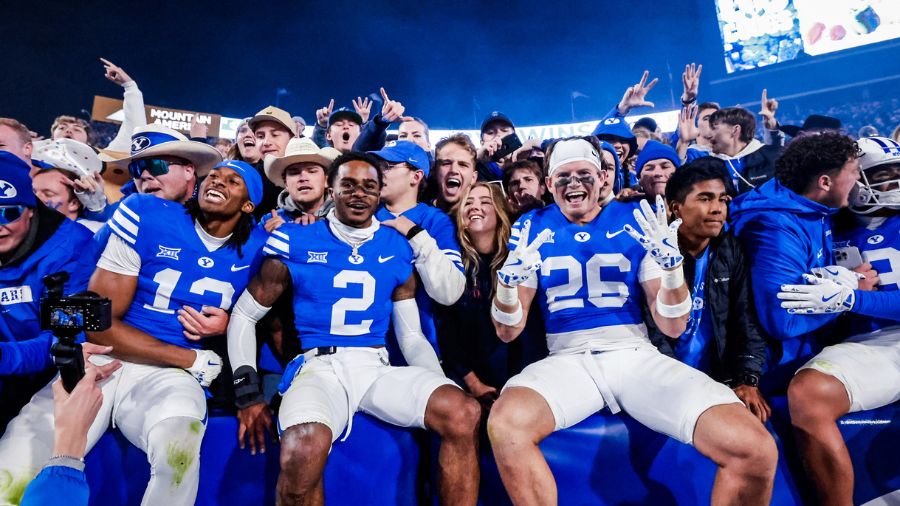
BYU Cougars: The Overlooked Contender
At 10-1, BYU finds itself in the perplexing position of being college football's forgotten one-loss team. The Cougars sit at No. 11 in the rankings despite possessing a résumé that compares favorably with several teams positioned ahead of them. According to ESPN's analysis, BYU's strength of record metric ranks sixth nationally, ahead of many teams currently positioned for playoff consideration. The Cougars have secured six victories against teams with 7-4 or better records, demonstrating consistent performance against quality opposition throughout the season.
BYU's best win came against an SP+ No. 9 ranked opponent, superior to the top victories claimed by both Oregon and Notre Dame. Their lone loss came against the SP+ No. 3 team, representing a more understandable defeat than those suffered by other one-loss contenders. Despite these credentials, the Cougars receive minimal discussion in playoff conversations, raising questions about whether conference affiliation and program perception are overshadowing on-field accomplishments in the committee's evaluation process.
Notre Dame Fighting Irish: Defending Their Position
Notre Dame has become the focal point of ranking controversies, with many questioning why the Irish maintain their No. 9 position ahead of Miami despite the Hurricanes' head-to-head victory. However, a deeper examination of Notre Dame's season reveals a stronger case than surface-level analysis might suggest. The Irish have compiled five wins against bowl-eligible opponents, more than several higher-ranked teams including Georgia and Texas Tech.

Both of Notre Dame's losses were one-possession affairs against top-12 opponents, with the Texas A&M defeat resulting from a flukish botched extra point. The Irish have demonstrated dominant form in recent weeks, outscoring opponents 181-42 in their last four games. Advanced metrics support Notre Dame's case, with game control numbers placing them among the nation's elite alongside Ohio State, Indiana, Texas Tech, and Oregon. While the head-to-head result against Miami remains problematic, the comprehensive body of work suggests Notre Dame belongs in the playoff conversation.
Miami Hurricanes: Conference Structure Concerns
Miami's grievance extends beyond their placement behind Notre Dame to fundamental questions about ACC scheduling and championship game qualification. For the second consecutive year, the Hurricanes appear to be the ACC's best team but may miss the conference championship game due to the league's tiebreaker system. With six teams potentially finishing with 6-2 conference records, the ACC's championship participants could be determined by confounding tiebreakers rather than clear on-field superiority.
The current system creates situations where a team widely regarded as the conference's strongest may not compete for the championship, potentially damaging both the team's playoff chances and the conference's overall perception. A simple modification—reserving one championship game spot for the team with the best conference record and the other for the highest-ranked team—would ensure both the most deserving and best teams receive opportunity. Unfortunately for Miami, such changes won't arrive in time to impact their 2025 postseason fate.
Tulane Green Wave: Group of 5 Representation
Tulane's consistent placement at No. 24 suggests the committee may be using this position as a default slot for the highest-ranked Group of 5 team rather than genuinely evaluating the Green Wave's credentials against other contenders. Despite holding the same ranking as last week while several teams ahead of them lost, Tulane failed to move up, remaining behind programs with inferior strength of record metrics.
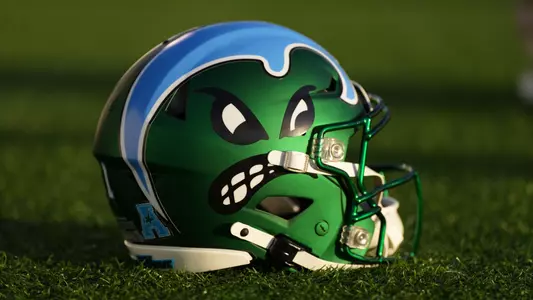
The practical implications extend beyond ranking prestige, as seed positioning could determine whether Tulane travels to an SEC or Big 12 venue for their playoff game. The committee's treatment of Group of 5 programs throughout the season suggests these teams are judged by different standards than Power 5 counterparts, despite the expanded playoff format theoretically providing more equitable access.
Wake Forest Demon Deacons: Ranking Omission
Wake Forest's complete absence from the rankings represents perhaps the most puzzling committee decision. The Demon Deacons hold an 8-3 record identical to SMU's, yet defeated the Mustangs head-to-head. Wake Forest also secured victories over Virginia and took Georgia Tech to overtime in a game featuring an officiating error that the ACC later acknowledged. Despite these accomplishments and a résumé superior to several ranked ACC teams, Wake Forest remains unranked.
The situation highlights inconsistencies in how the committee evaluates comparable teams within the same conference. When multiple teams from one league cluster with similar records, head-to-head results and quality of performance should provide clearer differentiation. Wake Forest's case suggests that certain programs may struggle to overcome perception challenges regardless of on-field accomplishments.
Conclusion: Evaluation Process Concerns
The controversies surrounding these five teams reflect broader questions about the College Football Playoff committee's evaluation methodology. The apparent inconsistencies in how similar résumés are treated, the role of conference perception in ranking decisions, and the weight given to various criteria all warrant examination as the playoff field expands. While some degree of subjectivity is inevitable in any selection process, the concentration of grievances among specific programs suggests systemic issues that could impact the integrity of the playoff format. As conference championship weekend approaches, these ranking decisions may have significant consequences for teams' postseason opportunities and the overall competitive fairness of the system.