 Read on cbsnews.com
Israeli Airstrike in Beirut's Haret Hreik Neighborhood Escalates Regional Tensions
An Israeli airstrike targeted Beirut's Haret Hreik neighborhood, marking the first such attack in the Lebanese capital since June. The strike, which occurred in a densely populated area, prompted immediate concerns about regional escalation as Hezbollah officials warned of potential retaliation. Israeli military officials stated they targeted Hezbollah's chief of staff, while Prime Minister Benjamin Netanyahu emphasized Israel's commitment to preventing the militant group from rebuilding its threatening capabilities against the nation.
The recent Israeli airstrike in Beirut's Haret Hreik neighborhood has heightened tensions in the region, marking a significant escalation in the ongoing conflict between Israel and Hezbollah. The strike, which targeted what Israeli officials identified as Hezbollah's chief of staff, represents the first such military action in Beirut since June and comes amid increasing regional instability.
Immediate Aftermath and Regional Response
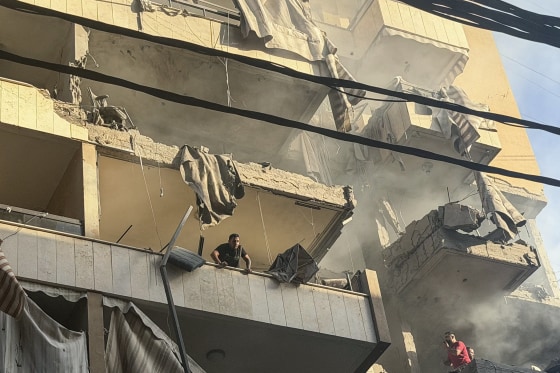
Following the airstrike, smoke was visible throughout the busy Haret Hreik neighborhood, with social media videos circulating that showed dozens of people gathering around the impact site. The strike appeared to target an apartment building in this densely populated southern suburb of Beirut, though initial reports provided no immediate confirmation of casualties. The timing of this military action is particularly significant as it occurred just days before Pope Leo XIV's scheduled visit to Lebanon and during a period of intensified Israeli airstrikes over southern Lebanon.
Political Context and Strategic Implications
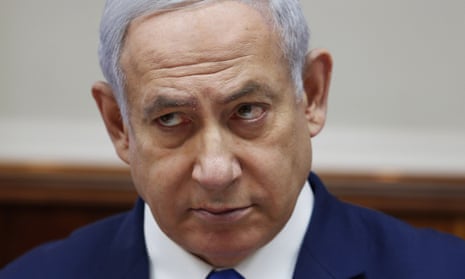
Prime Minister Benjamin Netanyahu addressed the situation during a government meeting, stating that Israel "will continue to do everything necessary to prevent Hezbollah from re-establishing its threatening capability against us." This statement underscores Israel's strategic approach to regional security concerns. The strike comes almost exactly one year after a ceasefire ended the previous Israel-Hezbollah conflict, raising concerns about potential escalation. Hezbollah officials, including Mahmoud Qamati, deputy chair of the group's political council, indicated they were studying an appropriate response, warning that the attack "opens the door to an escalation of assaults all over Lebanon."
International Pressure and Regional Dynamics
The strike occurs within a complex regional context where both Israel and the United States have been increasing pressure on Lebanon to disarm Hezbollah. The Lebanese military had previously issued a government-approved plan aimed at disarming the militant group, though implementation has faced significant challenges. Israel maintains that Hezbollah is attempting to rebuild its military capabilities in southern Lebanon, while the Lebanese government has consistently denied these claims. This ongoing tension reflects the broader geopolitical struggle in the region and the delicate balance of power between various state and non-state actors.
The situation remains fluid, with regional analysts closely monitoring potential responses from Hezbollah and the broader implications for regional stability. The strike in Haret Hreik represents not only a military action but also a significant political statement in the ongoing complex relationship between Israel and Lebanese-based militant groups.