Read on PBS News
Border Patrol's Secretive Surveillance Program Monitors Millions of American Drivers
The U.S. Border Patrol operates a covert nationwide surveillance program that monitors millions of American drivers using license plate readers and predictive algorithms. This secretive system identifies 'suspicious' travel patterns and coordinates with local law enforcement to detain drivers, raising significant constitutional concerns about mass surveillance and Fourth Amendment protections.
The U.S. Border Patrol has quietly established a comprehensive surveillance network that monitors millions of American drivers across the nation, using sophisticated technology to identify and detain individuals based on algorithmic assessments of their travel patterns. This covert program represents a significant expansion of border enforcement operations deep into the country's interior, transforming routine highway travel into potential grounds for law enforcement scrutiny.
How the Surveillance System Operates
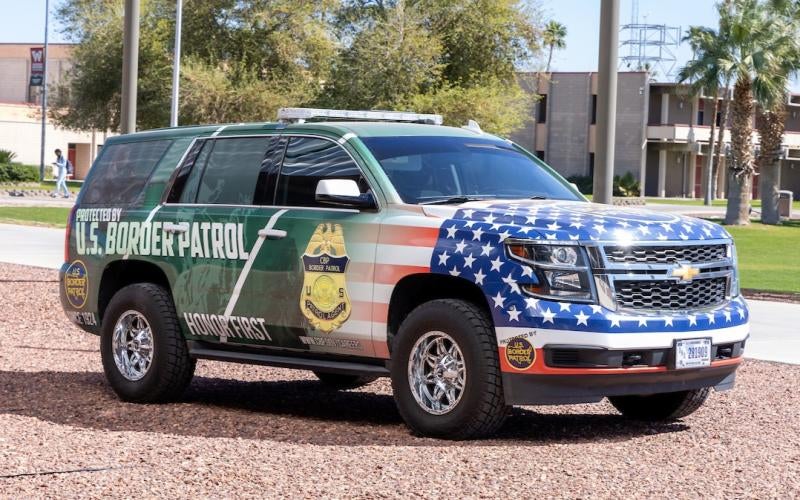
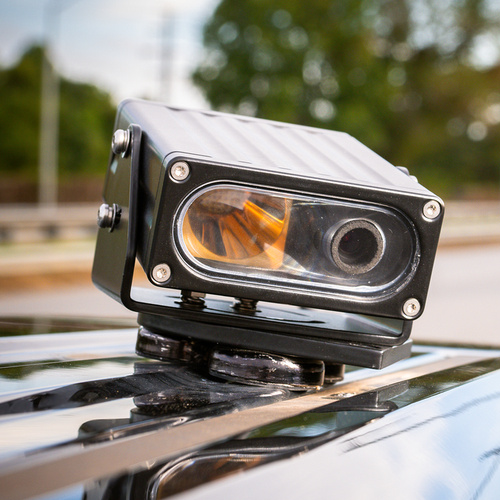
The predictive intelligence program utilizes a network of cameras that scan and record vehicle license plate information throughout the United States. According to Associated Press investigations, an algorithm then flags vehicles deemed suspicious based on multiple factors including their origin, destination, and the specific routes taken. This data-driven approach allows federal agents to identify patterns they associate with potential criminal activity.
Once a vehicle is flagged, Border Patrol agents coordinate with local law enforcement to conduct traffic stops. These interventions often use minor traffic violations as pretexts for more extensive questioning and vehicle searches. Common justifications include speeding, improper window tint, or even decorative items like dangling air fresheners that allegedly obstruct the driver's view.
Expansion Beyond Traditional Jurisdiction
Originally developed about a decade ago to combat illegal border activities and trafficking, the program has expanded significantly over the past five years. While Border Patrol primarily operates within 100 miles of U.S. borders, the agency maintains it has legal authority to conduct operations anywhere in the United States.
The surveillance network now extends far beyond border regions, impacting residents of major metropolitan areas including Chicago, Detroit, Los Angeles, San Antonio, and Houston. Documented camera placements include locations more than 120 miles from the Mexican border in Phoenix, Arizona, and strategic positions near the Michigan-Indiana border to monitor traffic headed toward Chicago and surrounding areas.
Constitutional Concerns and Legal Challenges
The growth of this mass surveillance network raises significant constitutional questions, particularly regarding Fourth Amendment protections against unreasonable searches. Legal scholars note that while collecting license plates from public roads has generally been upheld by courts, the scale and predictive nature of this program represent a new frontier in domestic surveillance.
Andrew Ferguson, a law professor at George Washington University, observes that courts are beginning to recognize that "large-scale surveillance technology that's capturing everyone and everywhere at every time" might be unconstitutional. The program's secretive nature and the use of algorithmic predictions to justify detentions present novel legal challenges that are currently being tested in federal courts.
Operational Methods and Secrecy
Border Patrol has taken extensive measures to conceal details of its license plate reader program. Former officials report that the agency has attempted to keep any mention of the program out of court documents and police reports, sometimes proposing to drop charges rather than risk revealing operational details. Surveillance equipment is frequently disguised within traffic safety equipment like barrels and drums along highways.
The agency defines its own criteria for suspicious behavior, which can include driving on backcountry roads, using rental vehicles, or making short trips to border regions. Through collaborations with other agencies, Border Patrol has access to license plate reader networks operated by the Drug Enforcement Administration, private companies, and local law enforcement programs funded by federal grants.
Impact on Civil Liberties
Privacy advocates express deep concerns about the program's implications for civil liberties. Nicole Ozer, executive director of the Center for Constitutional Democracy at UC Law San Francisco, warns that "these surveillance systems do not make communities safer" while engaging in "dragnet surveillance of Americans on the streets, on the highways, in their cities, in their communities."
The transformation of Customs and Border Protection into what resembles a domestic intelligence agency represents a significant shift in the relationship between federal law enforcement and ordinary citizens. As the program continues to expand with increased funding and technological capabilities, the balance between security imperatives and constitutional protections remains a critical public policy question.