Chinese Astronauts Face Space Station Safety Crisis After Debris Damage
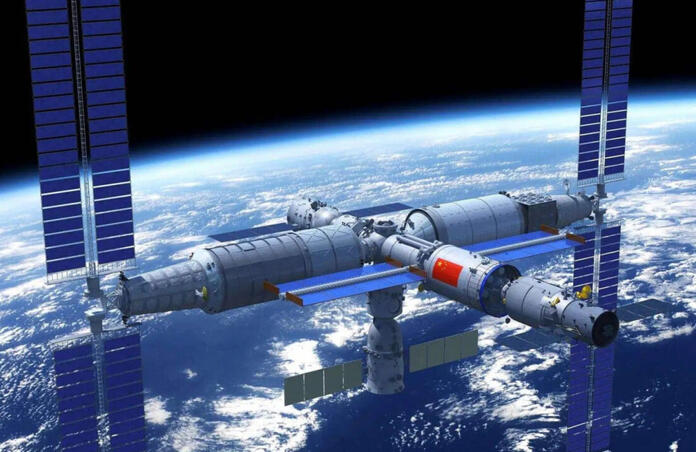
Three Chinese astronauts remain stranded aboard the Tiangong space station after their designated return spacecraft was damaged by space debris, rendering it unsafe for manned return. The Shenzhou 20 capsule suffered a cracked window from suspected space debris impact, forcing an unprecedented spacecraft swap that left the current crew with only the damaged vehicle as their emergency lifeboat. This incident highlights the growing risks of space debris in low-Earth orbit and represents the first implementation of alternative return procedures in China's space station program history.
In an unprecedented space safety incident, three Chinese astronauts remain aboard the Tiangong space station with limited emergency options after their designated return spacecraft was damaged by suspected space debris. The Shenzhou 20 capsule, which was supposed to transport the crew back to Earth, developed a cracked window that Chinese space officials determined "does not meet the release conditions for a safe manned return." This situation represents the first time China has had to implement alternative return procedures in its space station program.
The Spacecraft Damage Incident
The crisis began when Chinese space officials discovered damage to the Shenzhou 20 spacecraft docked at the Tiangong station. According to the China Manned Space Agency, the spacecraft was "suspected of being impacted by small space debris" that caused a minor crack in the return capsule's window glass. The damage was identified through comprehensive assessment including photograph analysis, design review, simulation analysis, and wind tunnel tests. This type of damage, while seemingly minor, poses significant risks during atmospheric re-entry where windows must withstand extreme temperatures and pressures.
Unprecedented Spacecraft Swap
Faced with an unsafe return vehicle, Chinese space authorities executed an unprecedented spacecraft swap operation. The original crew of Commander Chen Dong and rookies Chen Zhongrui and Wang Jie, who had been aboard the station since April, returned to Earth on November 14 using the newly arrived Shenzhou 21 spacecraft. This left the three astronauts who arrived on Shenzhou 31—Zhang Lu, Wu Fei, and Zhang Hongzhang—stranded with only the damaged Shenzhou 20 as their emergency lifeboat.

Current Situation and Rescue Plans
The three remaining astronauts continue their mission aboard the Tiangong station while awaiting a rescue spacecraft. Chinese officials have confirmed that Shenzhou 22 will be launched "at a later date" to bring the stranded crew home. In the meantime, the damaged Shenzhou 20 will remain in orbit to "continue relevant experiments" while serving as the crew's only available emergency evacuation vehicle. The Tiangong station, weighing nearly 100 metric tons, is designed to support six-person crews for short periods but typically hosts three astronauts for longer durations.
Space Debris Risks and Mitigation
This incident underscores the growing threat of space debris in low-Earth orbit. Even minuscule fragments of debris traveling at several miles per second can cause significant damage to spacecraft. As reported by Ars Technica, Chinese crews have previously conducted spacewalks to install additional debris shielding around the Tiangong station. The current situation serves as a stark reminder that despite these precautions, the space debris problem continues to pose real risks to human spaceflight operations.

Broader Implications for Space Safety
Mission Commander Chen Dong emphasized the significance of this experience, stating that "space exploration has never been easy for humankind" and that the incident demonstrated China's commitment to astronaut safety. The successful implementation of alternative return procedures, while born from necessity, represents an important milestone in China's space station program. It also highlights the need for robust contingency planning and rapid response capabilities in human spaceflight operations, particularly as more nations establish permanent presence in orbit.
The Tiangong space station incident serves as a crucial case study in space safety management and the ongoing challenges of operating in the increasingly crowded low-Earth orbit environment. As space agencies worldwide expand their orbital activities, developing more resilient systems and comprehensive debris mitigation strategies becomes increasingly vital for ensuring the safety of astronauts living and working in space.