Read on Global News
Influencer's Cancer Lie Reveals Complex Intersection of Mental Health and Social Media Ethics
British influencer Brittany Miller's recent admission about falsely claiming to have cancer in 2017 has sparked important conversations about mental health, influencer responsibility, and the consequences of deception in the digital age. The 29-year-old mother of two confessed to her 3.5 million TikTok followers that she fabricated the cancer story during a period of severe mental health struggles, describing herself as 'depressed, suicidal, lost, and confused' at the time. While she maintains the lie wasn't intended for financial gain or malicious purposes, the incident raises critical questions about mental health advocacy and ethical boundaries in influencer culture.
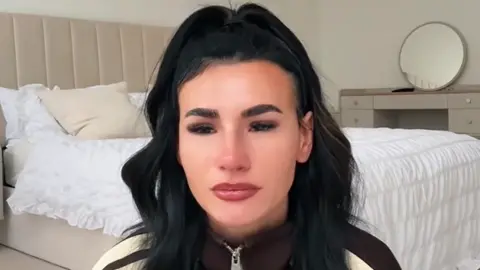
The digital landscape was recently shaken when British influencer Brittany Miller publicly confessed to lying about having cancer in 2017, revealing a complex story of mental health struggles and the pressures of modern social media culture. In a heartfelt video that has since garnered over 10 million views, the 29-year-old mother of two addressed her 3.5 million TikTok followers with a raw admission about her past deception.
The Confession and Context
Miller's confession came one week after UK tabloid The Sun published an article claiming to reveal the 'dark truth' behind her alleged cancer claims. According to the Global News report, Miller described her mental state in 2017 as extremely fragile, stating she was 'depressed, suicidal, lost, confused' after losing her partner and job. She emphasized that the incident occurred years before she became a social media influencer, clarifying that she didn't fabricate the story 'for likes or followers.'
Mental Health as the Driving Factor
Throughout her apology video, Miller repeatedly emphasized that her actions stemmed from severe mental health challenges rather than malicious intent. 'I said something to someone within my immediate circle, in confidence, one stupid sentence that I deeply regret,' Miller explained. 'I said I had an illness, which was cancer.' She described the lie as an act of desperation to maintain connections during a period when she felt completely isolated and mentally unwell.

Financial Implications and Response
Miller addressed concerns about financial exploitation, stating that while a fundraising page was created on her behalf, she immediately had it shut down after seeing two donations and didn't accept any money from it. This detail is crucial in understanding the distinction between her case and other high-profile cancer fraud cases where financial gain was the primary motivation.
Broader Implications for Influencer Culture
The incident raises important questions about accountability and mental health within the influencer community. Miller's case isn't isolated - she joins other public figures like Australian cookbook author Belle Gibson, who similarly fabricated cancer claims. According to the reference material, Gibson was fined AU$410,000 in 2017 for misleading consumers about her charitable donations related to her false cancer claims.
Path to Recovery and Advocacy
Miller credited her fiancé, Ash Griffiths, as being the 'light at the end of the tunnel' who helped her achieve mental wellness. She expressed her desire to become a mental health advocate, stating 'I want to help people, because I know what it's like to be in a dark, dark place.' This transformation from someone struggling with mental health issues to a potential advocate represents an important narrative in understanding how public figures can use their platforms for positive change.

Ethical Considerations Moving Forward
The case highlights the delicate balance between understanding mental health struggles and maintaining ethical standards in public communication. While Miller's apology has been met with mixed reactions, her willingness to address the issue directly and take responsibility represents a step toward transparency in influencer culture. Her emphasis on mental health awareness and recovery underscores the importance of supporting individuals through their struggles while maintaining accountability for their actions.
As social media continues to evolve, incidents like Miller's cancer lie confession serve as important reminders of the human element behind digital personas and the complex interplay between mental health, ethics, and public responsibility in the influencer economy.