How Trump's Anti-Climate Agenda Is Driving Up Car Ownership Costs
President Trump's deregulation agenda is creating regulatory chaos in the automotive industry that's making car ownership more expensive for American consumers. As the administration reverses vehicle efficiency standards and electric vehicle incentives, automakers face uncertainty that increases development costs and delays progress on fuel-efficient technologies. This policy whiplash means consumers pay higher prices for new vehicles while facing increased long-term fuel costs, creating a perfect storm of rising automotive expenses despite promises of deregulation prosperity.
President Donald Trump's anti-climate agenda is having an unintended consequence that directly impacts American consumers: making car ownership more expensive. While the administration promotes deregulation as a path to prosperity, the automotive industry is experiencing regulatory chaos that drives up costs for both manufacturers and car buyers. The constant shifting of environmental standards creates uncertainty that ultimately gets passed along to consumers through higher vehicle prices and increased operating expenses.

Regulatory Whiplash in the Auto Industry
The US auto industry has experienced dramatic policy shifts over the past decade that create significant challenges for manufacturers. President Barack Obama initially tightened vehicle efficiency and pollution standards, followed by President Trump loosening them during his first term. The Biden administration then reinstated and strengthened these standards, only to have the current Trump administration reverse course again. This constant back-and-forth leaves the $1.6 trillion US auto industry uncertain about which direction to take, forcing companies to spend billions adapting to changing requirements.
According to the Alliance for Automotive Innovation, a trade group representing major automakers like Ford, Toyota, and Volkswagen, the current regulatory environment makes existing pollution rules "simply not achievable." The industry prefers regulatory stability in either direction rather than constant changes that add time and expense to vehicle development cycles. These additional costs inevitably get baked into the final price tags of new vehicles.

The Cost of Uncertainty
Developing new vehicles that comply with changing regulations requires years of planning and billions of dollars in investment. When rules change every few years, automakers struggle to meet existing benchmarks while simultaneously planning for future requirements. This uncertainty creates what industry experts describe as "chaos" that hits manufacturers from multiple angles simultaneously.
The Trump administration's recent moves include undoing the legal foundation that allows the Environmental Protection Agency to limit climate pollution from vehicles. While Transportation Secretary Sean P. Duffy claims these actions "will lower vehicle costs," the reality appears quite different. The regulatory instability makes long-term planning impossible, forcing companies to maintain multiple development paths and increasing overall operational expenses.
Long-Term Financial Impact on Consumers
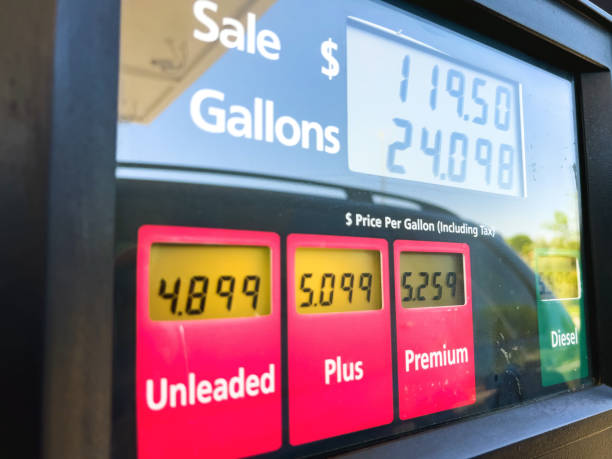
The consequences of relaxed efficiency standards extend far beyond initial vehicle purchase prices. As progress on fuel efficiency stalls, consumers face higher long-term operating costs through increased gasoline consumption. Energy Innovation, a policy think tank, estimates that repealing tailpipe standards could cost American households an extra $310 billion by 2050, primarily through additional spending on fuel.
Even the Trump administration's own analysis acknowledges that undoing greenhouse gas emission regulations would drive up gasoline prices due to increased fuel consumption from less efficient vehicles. The average American household already spends approximately $2,930 annually on gasoline, making it their single-largest energy expenditure. Weaker efficiency standards threaten to increase this financial burden significantly over time.
Global Competitiveness Concerns
While the US backtracks on environmental standards, other countries are accelerating their transition to cleaner transportation. Markets like Europe maintain strict environmental regulations and plan to ban internal combustion vehicle sales entirely. China continues developing some of the world's cheapest and most popular electric vehicles. This global shift creates competitive challenges for American automakers who must meet different standards for domestic and international markets.
Some US car manufacturers recognize this reality and continue investing in electric vehicles despite the administration's efforts to slow electrification. Ford recently announced development of a $30,000 electric pickup truck for both domestic and export markets, signaling continued confidence in electric vehicle demand. However, the regulatory uncertainty makes such investments riskier and more expensive.
Conclusion
The Trump administration's anti-climate agenda creates a paradox where promised deregulation actually increases costs for American consumers. The regulatory instability forces automakers to spend more on vehicle development, which translates to higher purchase prices. Simultaneously, relaxed efficiency standards mean consumers face increased fuel costs over the lifetime of their vehicles. As other countries advance their clean transportation initiatives, US policy uncertainty threatens both consumer wallets and American global competitiveness in the automotive sector.