Read on PBS News
Government Shutdown Deepens Impact with Airline Flight Cancellations
The ongoing federal government shutdown has led to significant flight cancellations across major U.S. airports, with over 1,000 flights canceled for the second consecutive day. While widespread disruptions haven't yet occurred, the FAA-mandated reductions are intensifying the effects of what has become the nation's longest federal shutdown. The situation raises concerns about potential economic ripple effects beyond air travel as staffing shortages among unpaid air traffic controllers continue to impact the aviation system.
The federal government shutdown has entered a critical phase as its effects ripple through the nation's aviation system, with U.S. airlines canceling more than 1,000 flights for the second consecutive day. This development marks a significant escalation in the shutdown's impact on everyday Americans and the broader economy.
Current Flight Cancellation Situation
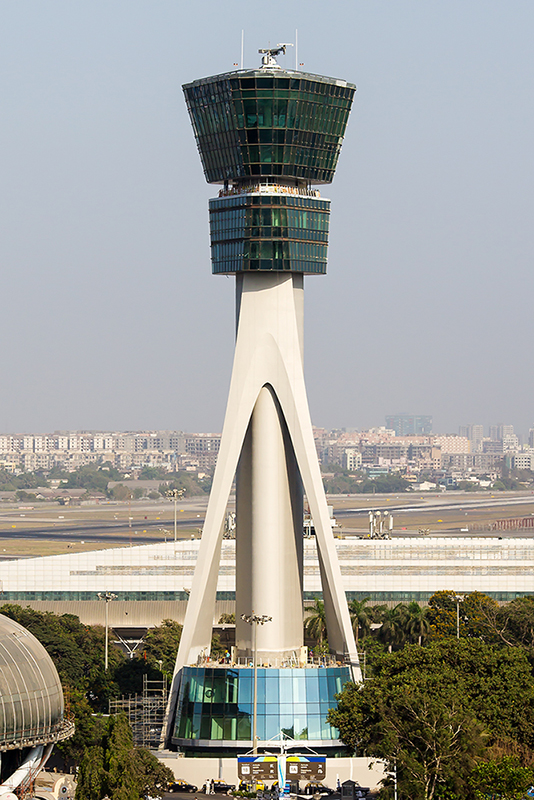
The Federal Aviation Administration's order to reduce air traffic has resulted in substantial flight cancellations across the country's busiest airports. According to tracking data from FlightAware, both Friday and Saturday saw over 1,000 flights canceled nationwide. While these numbers represent only a small portion of overall flights, they signal a troubling trend that could worsen if the shutdown continues.
Charlotte Douglas International Airport in North Carolina has been particularly hard hit, with 120 arriving and departing flights canceled by midday Saturday. Other major hubs including Atlanta, Chicago, Dallas, Denver, and Orlando have also experienced significant disruptions. The FAA has indicated that these reductions will escalate from the current 4% of flights at 40 targeted airports to 10% by Friday if the shutdown persists.
Causes Behind the Aviation Disruptions
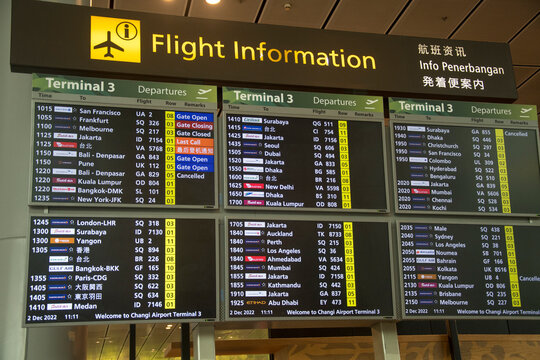
The root cause of these flight cancellations lies in the staffing crisis affecting air traffic controllers. These essential workers have gone without paychecks for nearly a month during the shutdown, leading many to call in sick and exacerbating existing staffing shortages. Most controllers are currently working mandatory overtime six days a week without compensation, with some reportedly taking second jobs to cover their living expenses.
Transportation Secretary Sean Duffy has warned that even more flight cuts might be necessary if the government shutdown continues and more air traffic controllers are forced to leave their positions. The situation represents a critical vulnerability in the nation's transportation infrastructure that could have far-reaching consequences.
Economic Implications Beyond Air Travel
The flight cancellations threaten to create economic ripple effects that extend well beyond the aviation industry. Nearly half of all U.S. air freight is transported in the cargo holds of passenger aircraft, meaning major flight disruptions could lead to shipping delays and increased costs that would ultimately be passed on to consumers. This timing is particularly concerning with the holiday shopping season approaching.
Tourism-dependent cities and businesses face potential losses as travel becomes more uncertain. The broader economic impact could extend to manufacturing and other sectors that rely on efficient air transportation for business operations and supply chain management. As the situation develops, analysts warn that the upheaval will intensify and be felt across multiple sectors of the economy if cancellations increase closer to the Thanksgiving holiday period.