Tesla Shareholders Approve Elon Musk's $1 Trillion Compensation Package
Tesla shareholders have overwhelmingly approved a groundbreaking $1 trillion compensation package for CEO Elon Musk, marking one of the largest executive pay deals in corporate history. The unprecedented payday will fully materialize by 2035, contingent upon Tesla achieving ambitious financial and production milestones. The approval comes as Musk seeks greater control over the company's direction in autonomous driving and robotics development, while also addressing previous legal challenges to his compensation structure.
Tesla shareholders have delivered a decisive vote of confidence in CEO Elon Musk, approving a historic $1 trillion compensation package that represents one of the most substantial executive pay deals ever conceived. The approval, which garnered support from more than 75% of shareholders, sets the stage for Musk to potentially receive the full compensation by 2035, provided Tesla meets exceptionally ambitious financial and operational targets.
Compensation Structure and Requirements
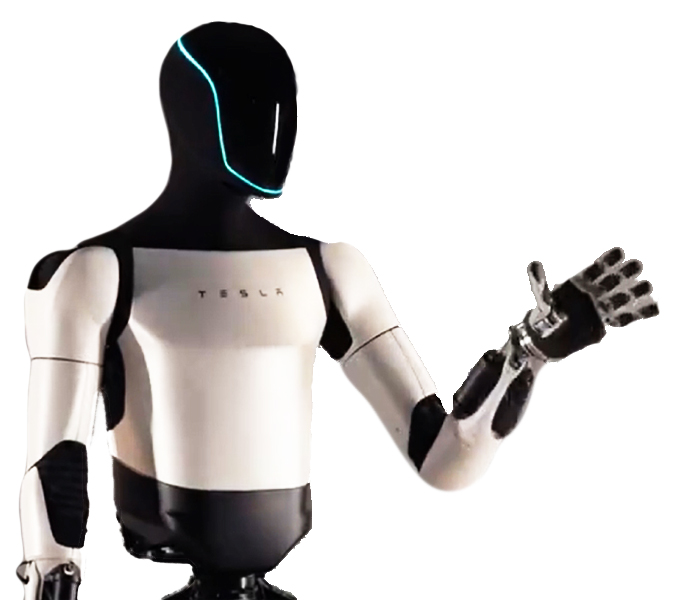
The compensation package is structured around Tesla achieving specific milestones that would elevate the company to unprecedented market dominance. To receive the full $1 trillion payout, Tesla must reach an $8.5 trillion valuation within the next decade, deliver 20 million vehicles to customers, deploy 1 million Optimus humanoid robots, operate 1 million robotaxis, and sell 10 million subscriptions for its Full Self-Driving software over a three-month period. These targets represent a massive scaling of Tesla's current operations and would require the company to maintain leadership across multiple emerging technology sectors.
Strategic Implications for Tesla
The compensation approval signals shareholder support for Musk's vision of transforming Tesla beyond its electric vehicle roots into a comprehensive technology and robotics company. As noted by Seth Goldstein, a senior equity analyst at Morningstar, "Tesla will have to be the market leader not just in the US but also Europe and other regions" to achieve these goals. The company's success will depend on its ability to outperform competitors in autonomous driving technology, robotics, and artificial intelligence applications.
Legal Context and Corporate Governance
The new compensation package comes amid ongoing legal challenges to Musk's previous $50 billion pay package from 2018. A shareholder lawsuit filed in Delaware's Chancery Court alleged that Musk exerted excessive influence over Tesla's board, potentially compromising the company's fiduciary responsibilities to shareholders. This legal dispute prompted Tesla to reincorporate in Texas, where the recent shareholder vote took place. The company's board has defended the substantial compensation as necessary to retain Musk's leadership and ensure his continued focus on Tesla's strategic objectives.
Future Product Roadmap
Following the shareholder approval, Musk announced several key developments in Tesla's product pipeline. Production of the Cybercab, a fully autonomous vehicle without traditional controls like steering wheels or sideview mirrors, is scheduled to begin in April, pending federal regulatory approval. The company also plans to expand its robotaxi service to additional cities including Dallas, Las Vegas, Miami, and Phoenix, with plans to remove safety riders from Austin operations by year-end. Additionally, Tesla will unveil the next-generation Roadster on April 1, a vehicle that has been highly anticipated since reservations opened in 2017.