Read on nature.com
Biologically Inspired Electronic Neurons: A Leap Forward in AI Efficiency
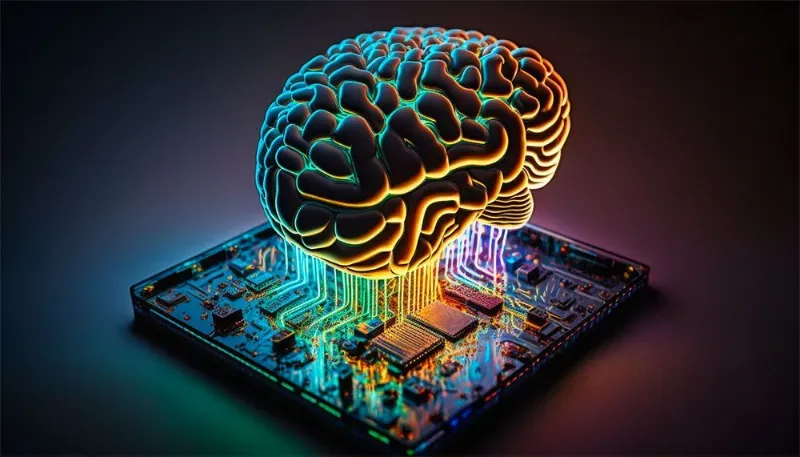
Researchers have developed an artificial neuron that replicates key functions of biological neurons, potentially revolutionizing artificial intelligence systems. This breakthrough in neuromorphic computing could lead to more compact, energy-efficient computers inspired by the human brain. The electronic imitator demonstrates how biological principles can be applied to create next-generation computing devices that consume less power while maintaining high performance.
The field of artificial intelligence is poised for a significant transformation with the development of biologically inspired electronic neurons that could dramatically boost the efficiency of AI systems. This breakthrough represents a major step forward in neuromorphic computing, where electronic circuits mimic the neural structures and functions of the human brain.

Understanding Neuromorphic Computing
Neuromorphic computing represents a fundamental shift from traditional computing architectures. Instead of relying on conventional silicon-based processors that separate memory and processing units, neuromorphic systems integrate these functions in a way that closely resembles the human brain's neural networks. This approach enables more efficient information processing and could significantly reduce the energy consumption of AI systems.
The Electronic Neuron Breakthrough
Recent research published in Nature Electronics has demonstrated that several key functions of biological neurons can be successfully replicated by electronic imitators. This development, as reported in Nature, marks a critical milestone in creating compact, energy-efficient computers inspired by biological principles. The artificial neuron technology could enable the construction of computing systems that process information more like the human brain while consuming substantially less power.
Applications in Artificial Intelligence
The implications for artificial intelligence are profound. Current AI systems often require massive computational resources and consume substantial amounts of energy. Biologically inspired electronic neurons could enable more efficient machine learning algorithms, faster pattern recognition, and improved real-time processing capabilities. This technology could make advanced AI systems more accessible and sustainable for various applications.
Future Developments and Research
The development of artificial neurons is part of a broader research trend focusing on brain-inspired computing. Institutions worldwide, including the National Institute for Materials Science in Japan and various academic centers, are actively pursuing research in neuromorphic devices. These efforts aim to create next-generation computers that combine the compactness and energy efficiency of biological systems with the processing power required for advanced AI applications.

Conclusion
The creation of biologically inspired electronic neurons represents a significant advancement in computing technology. By mimicking the efficiency and functionality of biological neural networks, researchers are paving the way for more sustainable and powerful artificial intelligence systems. As this technology continues to develop, it could transform how we approach computing architecture and enable new possibilities in AI applications across various industries.