The Splitter Revolution: How Baseball's Most Deceptive Pitch is Dominating the Game
The split-fingered fastball has staged a remarkable comeback in Major League Baseball, evolving from near-extinction to becoming the dominant pitch of the 2025 postseason. Once feared for causing elbow injuries, the splitter has been embraced by pitchers across the league, with 32 playoff hurlers featuring it in their arsenal this October. The pitch's effectiveness is undeniable - batters are hitting just .154 against splitters this postseason, making it the most unhittable offering in the game. From Japanese imports like Yoshinobu Yamamoto to veterans like Kevin Gausman, the splitter's deceptive fastball-like appearance and late movement have transformed pitching strategies and changed the dynamics of the World Series.
In the high-stakes environment of the 2025 World Series, one pitch has emerged as the defining weapon of baseball's premier pitchers. The split-fingered fastball, which spent nearly two decades teetering on the brink of extinction, has staged a remarkable comeback that's reshaping how the game is played at its highest level. As the Los Angeles Dodgers and Toronto Blue Jays prepare for their critical Game 6 matchup, both teams will rely heavily on pitchers who have mastered this deceptive offering that looks like a fastball until it's too late to adjust.

The Splitter's Resurgence
The splitter's dramatic return to prominence represents one of the most significant pitching developments in recent baseball history. According to ESPN analysis, this postseason has seen 6.8% of all pitches classified as splitters - a staggering increase from previous years where the percentage typically ranged between 0.2% and 2%. The pitch's effectiveness is undeniable, with batters hitting just .154 against splitters this October, the lowest batting average against any pitch type in the playoffs.
Why the Splitter Works
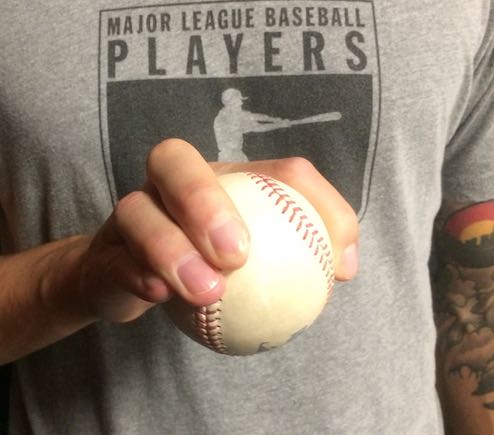
The splitter's effectiveness lies in its deceptive nature. As future Hall of Famer Clayton Kershaw noted, "If you can throw it near the strike zone, it's the best pitch in the game." The pitch appears identical to a fastball coming out of the pitcher's hand, but instead of maintaining its trajectory, it drops sharply as it approaches the plate. This optical illusion creates what pitchers call "late break," giving hitters minimal time to recognize the pitch and adjust their swing.
Historical Context and Evolution
The splitter's journey from feared injury-causer to essential weapon reflects baseball's evolving understanding of pitching mechanics and injury prevention. The pitch is the evolutionary descendant of the forkball, which dates back to the 1910s. While the forkball required jamming the ball deep between the fingers, the splitter offers more flexibility and comfort for modern pitchers. Hall of Famer Bruce Sutter first popularized the modern splitter in 1973, inspiring generations of pitchers including Mike Scott, Roger Clemens, Curt Schilling, and John Smoltz.
However, by the 2000s, the splitter had fallen out of favor as teams became concerned about its potential connection to elbow injuries. As Dodgers pitching coach Mark Prior explained, this created a knowledge gap where "a lot of people didn't know how to teach it." The arrival of Japanese pitchers like Masahiro Tanaka in 2014 helped reintroduce the pitch to American baseball, while advanced technology like Edgertronic cameras and TrackMan systems provided the data to validate its effectiveness.
Modern Applications and Variations
Today's pitchers have developed multiple variations of the splitter to suit their individual styles and arsenals. Some pitchers, like Paul Skenes and Jhoan Duran, throw a "splinker" - a splitter-sinker hybrid that maintains high velocity. Others, like Roki Sasaki, focus on creating extremely low spin rates that make the pitch dance unpredictably like a souped-up knuckleball. The versatility of the splitter allows pitchers to use it as both a primary strikeout weapon and a complementary offering to keep hitters off-balance.
The Future of the Splitter
As the splitter continues to prove its effectiveness, teams are increasingly encouraging pitchers to develop the pitch. Multiple front office officials report that organizations are analyzing their pitchers' movement patterns to determine if a splitter would complement their existing arsenal. The ability to quickly test and refine the pitch using modern technology means pitchers can often determine its viability in a single session, a dramatic improvement from the days when developing a new pitch could take an entire season.
The splitter's proliferation does raise questions about its long-term effectiveness. Part of what makes the pitch so devastating is its relative rarity - as more pitchers adopt it, hitters may become better at recognizing and hitting it. However, for now, the splitter remains baseball's most mysterious and effective weapon, a pitch that appears as a fastball only to disappear at the last moment, leaving batters swinging at air and wondering what happened.