Eerie Science: How Creepy-Sounding Breakthroughs Are Revolutionizing Health and Sustainability
Scientific research is producing innovations that sound like they belong in horror movies but could transform healthcare and environmental sustainability. From lab-grown mini-brains that eliminate animal testing to spider-inspired gloves that create instant wound dressings, researchers are turning unsettling concepts into practical solutions. These developments include natural food coatings from wolf apples and concerning discoveries about microplastics in human retinas, offering both promise and caution for our technological future.
What sounds like a Halloween horror story might actually represent the future of scientific innovation. Recent research published in ACS journals demonstrates how seemingly creepy concepts—from brain organoids to spider-silk technology—are being transformed into groundbreaking solutions for healthcare and environmental challenges. These developments bridge the gap between science fiction and practical application, offering both remarkable potential and important warnings about our modern world.
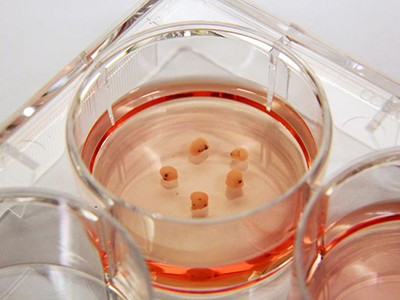
Mini-Brains: Revolutionizing Neuroscience Research
Scientists have achieved a significant milestone by cultivating three-dimensional "mini-brains" in laboratory settings. Over a two-year period, human nerve cells multiplied and organized themselves into functioning organoids capable of generating electrical activity. This breakthrough, detailed in ACS Sensors, provides researchers with a powerful tool for studying brain function and neural communication without relying on animal testing. These organoids represent a more ethical and potentially more accurate method for understanding neurological processes and testing treatments.
Spider-Inspired Medical Technology
Taking inspiration from nature's most efficient weavers, researchers have developed a unique glove equipped with spinneret-like devices that release ultra-thin polymer fibers. This innovation, featured in ACS Applied Materials & Interfaces, enables medical professionals to create custom wound dressings directly on injuries in real time. The technology could prove invaluable in various settings, from hospital emergency rooms to sports arenas and military field operations, providing immediate, tailored care for different types of wounds.
Natural Food Preservation Solutions
Researchers have discovered that starch extracted from the wolf apple—a fruit native to Brazil—can be transformed into an effective, edible coating for preserving produce. When applied to baby carrots, this natural coating maintained their freshness and appearance for up to 15 days at room temperature. Published in ACS Food Science & Technology, this finding offers a safe, cost-effective alternative to synthetic preservatives, potentially reducing food waste and extending the shelf life of fresh vegetables without chemical additives.
Microplastics in Human Vision
A concerning discovery emerged from research examining post-mortem human retinas, where scientists found microplastic particles in every sample analyzed. The study, reported in ACS Environmental Science & Technology Letters, revealed varying types and concentrations of plastics in delicate eye tissue. This finding highlights the pervasive nature of plastic pollution and raises important questions about potential impacts on vision and overall eye health, underscoring the unintended consequences of our plastic-dependent society.

These scientific advancements demonstrate how seemingly unsettling concepts can lead to practical innovations that address critical challenges in healthcare and sustainability. While some developments offer promising solutions for medical treatment and food preservation, others serve as important reminders of the environmental challenges we face. As research continues to push boundaries, these eerie-sounding breakthroughs may well become standard tools in our quest for better health and a more sustainable future.