Read on PBS News
Hurricane Melissa Devastates Jamaica as Category 5 Storm with 185 MPH Winds
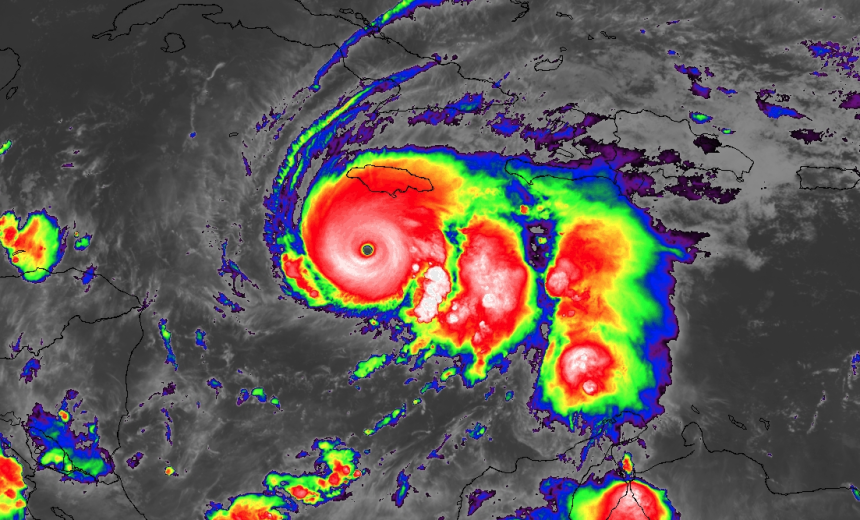
Jamaica faces unprecedented destruction as Hurricane Melissa, the second Atlantic storm in history to make landfall with 185 mph winds, batters the island nation. The Category 5 hurricane has claimed multiple lives across the Caribbean, with Jamaica reporting three fatalities. With winds reaching 185 mph, torrential rainfall up to 30 inches, and storm surges as high as 13 feet, the storm represents the most powerful hurricane Jamaica has experienced in recorded history. Rescue efforts are underway as officials coordinate emergency response and international assistance.
Jamaica is confronting catastrophic damage from Hurricane Melissa, a historic Category 5 storm that made landfall with unprecedented 185 mph winds, marking only the second time an Atlantic hurricane has reached such intensity at landfall. The storm's devastating force has already claimed lives across the Caribbean and threatens to cause long-term damage to the island nation's infrastructure and communities.
Unprecedented Storm Intensity
Hurricane Melissa represents a meteorological event of historic proportions, with wind speeds reaching 185 miles per hour at landfall. According to the PBS NewsHour report, this marks only the second Atlantic storm in recorded history to achieve such intensity upon making landfall. The storm's slow-moving nature has extended its punishing impact across Western Jamaica, where it made initial landfall as a Category 5 hurricane.
Evan Thompson, Principal Director of Jamaica's Meteorological Service, emphasized the extreme conditions within the storm's eyewall, noting "the most intense wind speeds, but also the most torrential downpours of rainfall." Forecasters warned that parts of the island could receive between 20 to 30 inches of rainfall, with storm surges potentially reaching 13 feet—enough to wash away homes and trigger widespread landslides.

Immediate Impact and Response
The hurricane has already resulted in significant damage across Jamaica, with reports of toppled trees, downed power lines, and widespread structural damage. Before the storm even made landfall, approximately 250,000 customers had lost power, with officials anticipating this number would rise substantially as the storm progressed.
Prime Minister Andrew Holness delivered a sobering assessment, stating that "no infrastructure in the region can withstand a Category 5" hurricane. He warned that the storm would "definitely damage roofs" and "compromise infrastructure, even concrete infrastructure." The government had activated emergency procedures and protocols, building on lessons learned from previous hurricanes like Beryl, which affected three parishes last year.
Coordination of Rescue and Relief Efforts
Retired Major General Antony Anderson, Jamaica's ambassador to the United States, is leading coordination efforts from Washington, D.C. In an interview with PBS NewsHour, Ambassador Anderson explained that the embassy's role involves coordinating external support to Jamaica during the emergency. He noted that communication with the National Emergency Operations Center in Kingston remained functional, though the capital city had been spared the worst impacts compared to western regions.
The ambassador emphasized that multiple agencies and organizations are preparing to provide assistance once the storm passes and airports reopen. "We have been working with them to get them into Jamaica," Anderson stated, noting that the Norman Manley International Airport in Kingston is projected to reopen by Thursday morning.

Broader Implications and Climate Context
Hurricane Melissa's unprecedented strength raises important questions about climate change and its impact on hurricane intensity. While Ambassador Anderson noted that hurricanes of this magnitude are rare—referencing Hurricane Dorian in 2019 and a 1935 storm as previous examples—the event underscores the increasing need for robust climate adaptation strategies.
The Jamaican government had prepositioned supplies and clearing teams in anticipation of the storm, demonstrating improved preparedness measures developed through experience with previous hurricanes. Anderson highlighted that the response to Hurricane Beryl in the previous year allowed officials to "test our processes and adapt and change and put in new processes and strengthen the gaps that we saw."
As Jamaica endures this historic storm, the focus remains on immediate rescue operations and assessing the full extent of the damage. The international community stands ready to provide support, while Jamaican officials coordinate what will likely be a massive recovery and rebuilding effort in the storm's aftermath.