Dodgers Win Historic 18-Inning World Series Classic on Freeman Walk-Off Homer
The Los Angeles Dodgers defeated the Toronto Blue Jays 6-5 in an epic 18-inning World Series Game 3 that became the second-longest game in World Series history. Freddie Freeman's walk-off home run in the bottom of the 18th inning capped a marathon contest that featured 609 pitches, 37 runners left on base, and historic performances from Shohei Ohtani and Will Klein. The game lasted 6 hours and 39 minutes and saw unprecedented strategic decisions, including multiple intentional walks to Ohtani with bases empty in late innings.
In what will be remembered as one of the most dramatic World Series games in baseball history, the Los Angeles Dodgers emerged victorious in an 18-inning marathon against the Toronto Blue Jays, winning 6-5 on Freddie Freeman's walk-off home run. The epic contest, which concluded at 11:50 p.m. PT on Monday, lasted 6 hours and 39 minutes and featured unprecedented performances, strategic gambles, and enough tension to leave 52,654 fans at Dodger Stadium breathless throughout the historic evening.
The Marathon Contest
Game 3 immediately established itself as an instant classic, becoming only the second 18-inning game in World Series history and the longest postseason game since MLB began tracking pitches in 1988. The contest featured an astonishing 609 pitches—312 by Dodgers pitchers and 297 by Blue Jays hurlers—with both teams exhausting their benches and bullpens in a strategic battle that saw 25 position players and 19 pitchers take the field. The game's intensity was reflected in the 37 runners left on base, creating constant scoring threats throughout the extended contest.
Shohei Ohtani's Historic Performance
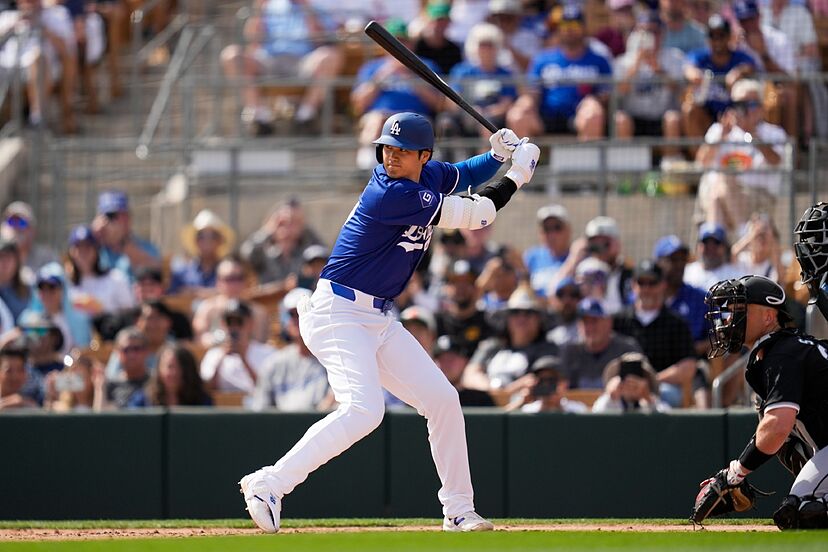
Shohei Ohtani delivered one of the most remarkable individual performances in postseason history, reaching base nine times—a feat accomplished only twice in major league history since 1942. The Dodgers superstar led off the game with a double, homered in his next at-bat, doubled again, and then hit his second home run of the game to tie the score at 5-5. Ohtani's eighth postseason home run unleashed what would become hours of extra-inning drama and forced Blue Jays manager John Schneider into unprecedented strategic decisions.
Strategic Decisions and Bullpen Heroics
The game featured extraordinary managerial decisions, particularly from Blue Jays manager John Schneider, who intentionally walked Ohtani with the bases empty in the ninth inning—the first time such a strategy had been employed in the ninth inning or later of a postseason game. Schneider would repeat this unconventional approach three more times, effectively neutralizing baseball's most dangerous hitter but leaving his lineup compromised for the extended contest. Meanwhile, Dodgers reliever Will Klein delivered a heroic performance, throwing four innings of one-hit ball with five strikeouts on 72 pitches despite having never previously thrown more than two innings in a single appearance.
The Dramatic Conclusion
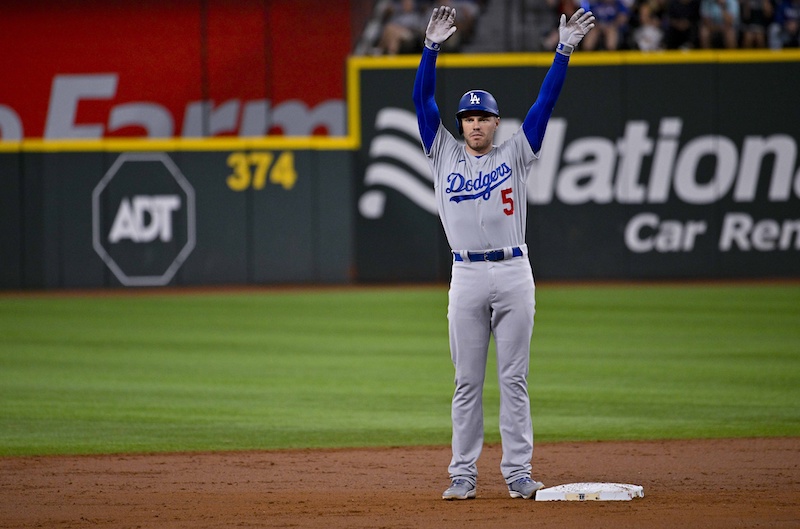
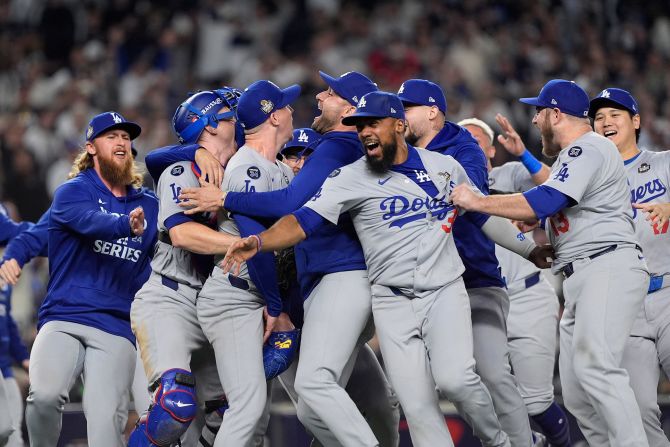
After 17 innings of back-and-forth baseball, Freddie Freeman stepped to the plate in the bottom of the 18th inning and delivered the game-winning moment. On a center-cut sinker from Blue Jays reliever Brendon Little, Freeman launched a 406-foot home run to center field, sending Dodger Stadium into a frenzy and ending one of the most memorable games in World Series history. The walk-off homer provided redemption for Freeman, who had struggled throughout much of the postseason with only one RBI entering Game 3, reminiscent of his World Series MVP performance from the previous year.
Historical Context and Significance
The victory gave the Dodgers a 2-1 series advantage as the teams prepared to return to the field less than 18 hours later for Game 4. According to ESPN's coverage, the game immediately launched itself into the upper echelon of World Series classics, joining the ranks of the most memorable contests in the 121-year history of the Fall Classic. The dramatic victory not only gave Los Angeles the series lead but also demonstrated the incredible resilience and depth of both teams in a contest that pushed players beyond their normal limits and created baseball history.