U.S. Military Operations and White House Renovations: Recent Developments
Recent reports highlight two significant developments in U.S. government activities. Military forces have conducted their eighth strike against alleged drug vessels since early September, continuing counter-narcotics operations. Meanwhile, President Trump has estimated the cost of a new White House ballroom at approximately $300 million. These developments reflect ongoing national security efforts and infrastructure planning within the federal government.
Recent government activities have brought attention to both national security operations and executive branch infrastructure planning. The United States military has intensified its counter-narcotics efforts while the White House considers significant renovations to its historic facilities.

Military Counter-Narcotics Operations
The U.S. military has reportedly conducted its eighth strike against alleged drug vessels since early September, according to recent coverage from CBS News. This continued military engagement represents an ongoing commitment to disrupting international drug trafficking networks. The operations target vessels suspected of transporting illicit substances through maritime routes.
These strikes form part of broader counter-narcotics initiatives that involve coordination between multiple government agencies. The frequency of these operations—eight vessels in approximately six weeks—indicates sustained intelligence gathering and operational capacity in maritime security domains.
White House Renovation Plans
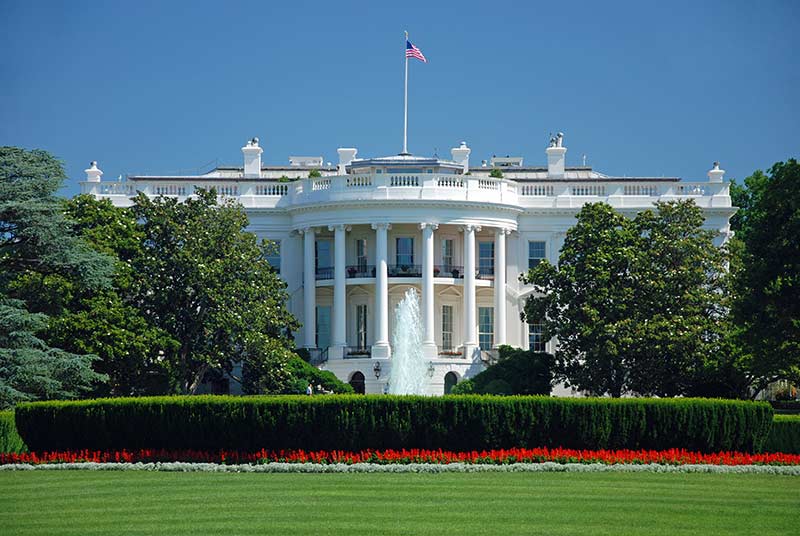
In separate developments, President Donald Trump has provided cost estimates for proposed renovations to White House facilities. The President has indicated that a new ballroom project would require approximately $300 million in funding. This substantial investment would represent one of the more significant renovations to the executive residence in recent years.
The proposed ballroom addition reflects ongoing maintenance and modernization needs for the historic building. Such infrastructure projects typically involve careful consideration of both functional requirements and preservation of the building's architectural heritage.
Broader Context and Implications
These simultaneous developments illustrate the diverse responsibilities of the federal government, spanning from national security operations to infrastructure management. The military actions demonstrate continued focus on international security threats, while the renovation plans highlight the ongoing maintenance needs of government facilities.
Both initiatives involve substantial resource allocation and strategic planning. The counter-narcotics operations require military resources and international coordination, while the White House renovations involve architectural planning, historical preservation considerations, and budget allocation processes.
As these developments continue to unfold, they will likely generate further discussion about government priorities and resource allocation. The balance between security operations and infrastructure investments remains a constant consideration in federal governance and public administration.