European Luxury Tax Free Market Stabilizes with 7% Growth in 2025
The European luxury Tax Free Shopping market has grown by 7% in 2025, signaling a shift toward market stabilization after years of double-digit expansion. According to Global Blue's study presented at the Luxury Insight event, this growth is driven by a 5% increase in shopper numbers and a modest 2% rise in average spend, reaching €3,900 per shopper. The market dynamics reveal significant shifts in consumer demographics, with Ultra High Net Worth Individuals and Gen Z shoppers emerging as key growth drivers, while Chinese tourist spending continues to decline in Europe.
The European luxury Tax Free Shopping market is undergoing a significant transformation, with recent data indicating a move toward stabilization following years of explosive double-digit growth. According to a comprehensive study by Global Blue presented at the Luxury Insight event, the market has grown by 7% in 2025, driven by a combination of increased shopper numbers and modest spending growth. This represents a notable shift from previous years' patterns and signals a maturing market landscape.

Market Performance Overview
The 7% growth in European luxury Tax Free Shopping reflects a more measured expansion compared to previous years. The increase stems from two key factors: a 5% rise in shopper numbers, representing nearly 3 million additional consumers, and a 2% increase in average spend, bringing the figure to €3,900 per shopper. This balanced growth suggests a healthy market evolution rather than the unsustainable rapid expansion seen in earlier periods.
However, these overall figures mask significant variations across different market segments. The Exclusive cluster continues to outperform the broader Luxury segment, which faces particular pressure in Ready-to-Wear and Leather Goods & Bags categories. In contrast, the Luxury Watches & Jewellery segment is delivering above-average results in both shopper growth and average spend, indicating shifting consumer preferences within the luxury landscape.
Changing Consumer Demographics
The study reveals dramatic shifts in the geographic distribution of luxury spending. Chinese tourists, once the dominant force in European luxury Tax Free shopping, have seen their contribution decline from 32% to just 13% of total spending. This represents a compound annual growth rate of -8% between 2019 and 2024, with spending recovery in the first half of 2025 stuck at 62% of 2019 levels.
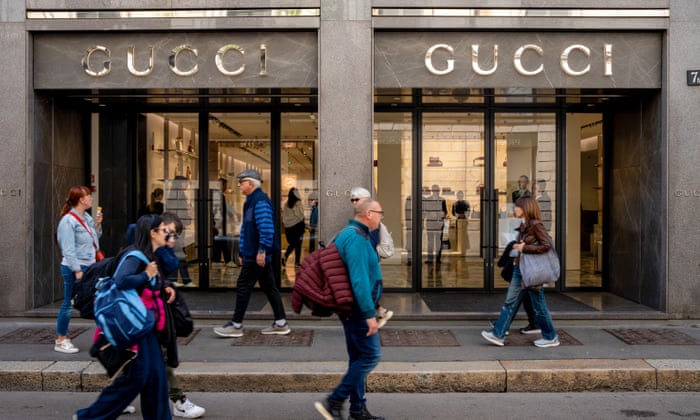
American and Gulf country shoppers have emerged as the new driving forces in the European luxury market. US shoppers now account for 22% of luxury Tax Free spending, with year-on-year growth of 12%, while Gulf country shoppers represent 13% of spending with 14% growth. In Italy specifically, the share of US shoppers reaches an even more significant 25% of luxury Tax Free spend, highlighting the country's particular appeal to American luxury consumers.
Key Growth Drivers
Ultra High Net Worth Individuals
Ultra High Net Worth Individuals (UHNWIs) remain the most strategic segment for luxury brands, despite representing just 0.1% of shoppers. This elite group generates 20% of total luxury Tax Free volumes, with an average spend of €132,000 per shopper and a compound annual growth rate of +15% since 2019. Their importance extends beyond mere spending power to include remarkable loyalty and purchase frequency.
The data shows that 64% of UHNWIs made at least one luxury purchase in two consecutive years, a rate three times higher than the rest of the international clientele. Furthermore, over 70% of these customers demonstrate strong brand loyalty, consistently returning to the same labels. Watches & Jewellery remains the favorite category among UHNWIs, accounting for 43% of their total spend and recording the strongest growth in spending at +36%.
Generation Z Shoppers
Generation Z shoppers (under 28 years old) represent another crucial growth driver, being the only demographic showing double-digit growth in both shopper numbers (+21%) and spending (+24%). Their contribution to the overall market growth is substantial, accounting for approximately one-third of the total 7% market expansion, equivalent to +2.4% growth attributable specifically to Gen Z.
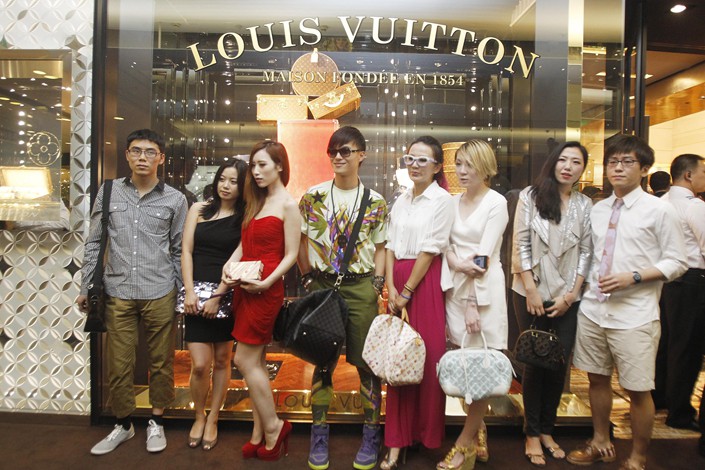
However, this demographic presents unique challenges for luxury brands, as Gen Z shoppers show significantly lower levels of brand loyalty compared to other age groups. This makes them harder to engage and retain, requiring brands to develop new strategies to capture this increasingly important market segment whose purchasing power is projected to multiply by up to thirty times by 2030.
Geographic Shifts and Market Leadership
Italy continues to strengthen its position in the luxury market, with 44% of UHNWIs who made purchases in Europe selecting the country as their shopping destination. This places Italy second only to France, which attracts 68% of these high-value shoppers, confirming both countries' central roles in the international luxury landscape.
The shift in Chinese tourist spending patterns is particularly noteworthy. While Chinese consumers remain the most significant nationality globally, accounting for 23% of total luxury spend, they are increasingly favoring East Asian destinations. Japan now accounts for 40% of Chinese Tax Free luxury purchases, up dramatically from just 14% in 2019, indicating a fundamental reorientation of Chinese luxury shopping behavior.
Market Outlook and Implications
The stabilization of growth rates in the European luxury Tax Free market suggests a new phase of maturity and sustainable development. The 7% growth figure, while lower than historical double-digit increases, represents a healthier, more balanced expansion that may prove more durable in the long term. The diversification of consumer nationalities and the emergence of new demographic drivers like Gen Z provide stability against over-reliance on any single market.
For luxury brands, these trends underscore the importance of developing targeted strategies for different consumer segments. The continued dominance of UHNWIs necessitates exclusive services and personalized experiences, while the growth of Gen Z requires innovative engagement approaches and digital-first strategies. The geographic shifts highlight the need for brands to maintain strong presence across multiple markets rather than concentrating resources in traditional luxury hubs.
The European luxury Tax Free market's evolution toward more measured growth presents both challenges and opportunities for industry players. Brands that successfully navigate these changing dynamics by understanding emerging consumer patterns and adapting their strategies accordingly will be best positioned to thrive in this new market environment.