Trump Suggests Ukraine May Need to Cede Territory for Peace in Latest Policy Shift
In a recent Fox News interview, President Donald Trump indicated that Ukraine might need to surrender territory to end Russia's ongoing invasion, marking another apparent reversal in his approach to the conflict. The comments come alongside continued Ukrainian drone strikes on Russian energy infrastructure, including a major gas processing plant in Orenburg. Trump's remarks suggest a potential shift away from supporting Ukraine's territorial integrity toward a negotiated settlement that could involve land concessions to Moscow.
In a significant development that could reshape the trajectory of the Russia-Ukraine conflict, President Donald Trump suggested during a recent interview that Kyiv may need to concede territory to achieve peace. This statement represents the latest in a series of apparent policy reversals regarding how the United States approaches ending Moscow's more than three-and-a-half-year invasion of Ukraine.
Trump's Evolving Position on Ukraine
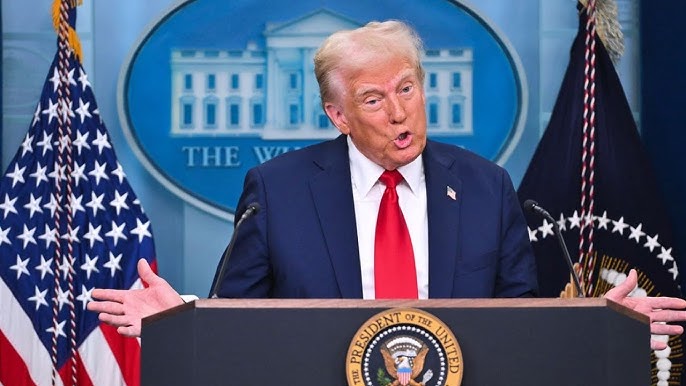
During an interview conducted Thursday and aired Sunday on Fox News' "Sunday Morning Futures," Trump appeared to edge back toward pressing Ukraine to abandon efforts to reclaim territory lost to Russia. When asked whether Russian President Vladimir Putin would be open to ending the war without taking significant Ukrainian territory, Trump responded: "Well, he's going to take something. They fought and he has a lot of property. He's won certain property."
The president's comments marked a departure from his recent expressions of growing impatience with Putin and greater openness to helping Ukraine win the war. This apparent shift comes despite Trump's recent conversations with both Putin and Ukrainian President Volodymyr Zelenskyy last week, suggesting ongoing fluidity in the administration's approach to the conflict.
Military Assistance Considerations
Trump's interview also revealed continued hesitation regarding military support for Ukraine. When questioned about providing Tomahawk missiles requested by Kyiv, the president remained noncommittal, stating "I'm looking at it" while expressing concerns about depleting U.S. weapons stocks. "We need them for ourselves too," Trump explained. "We can't give all our weapons to Ukraine. We just can't do that."
This cautious stance persisted following Trump's meeting with Zelenskyy at the White House on Friday, where contrary to Ukrainian hopes, the president did not commit to providing the long-range missiles. Analysts note that Tomahawk deliveries could provide crucial leverage to push the Kremlin toward negotiations, particularly after Trump expressed frustration over Putin's refusal to budge on key aspects of a potential peace deal.

Ongoing Military Developments
While diplomatic positions shift, military actions continue unabated. Ukrainian drones struck a major gas processing plant in southern Russia's Orenburg region, sparking a fire and forcing the facility to suspend its intake of gas from Kazakhstan. The Orenburg plant, operated by state-owned Gazprom, represents one of the world's largest facilities of its kind with an annual capacity of 45 billion cubic meters.
Ukrainian authorities confirmed that the attack caused a "large-scale fire" and damaged one of the plant's gas processing and purification units. This incident represents part of Kyiv's intensified campaign targeting Russian energy infrastructure that it says both funds and directly fuels Moscow's war effort.
Regional Security Implications
The conflict's dynamics continue to evolve with concerning technological developments. Ukrainian prosecutors claim that Moscow is modifying its aerial-guided bombs to strike civilians deeper in Ukrainian territory. Authorities in Kharkiv reported Russia using a new rocket-powered aerial bomb for the first time, capable of traveling up to 130 kilometers (80 miles).
Meanwhile, Russia's Defense Ministry reported shooting down 45 Ukrainian drones overnight, while Ukraine's air force stated that Russia launched 62 drones into Ukrainian territory, with 40 being shot down or veering off course due to electronic jamming. These exchanges highlight the ongoing technological arms race within the broader conflict.

Conclusion
Trump's latest comments suggesting Ukraine may need to cede territory for peace represent a significant potential shift in U.S. policy toward the conflict. As military actions continue on both sides, including Ukrainian strikes on Russian energy infrastructure and Russian attacks on Ukrainian territory, the diplomatic landscape appears increasingly fluid. The coming weeks will reveal whether this represents a temporary rhetorical shift or a fundamental reorientation of American strategy toward resolving Europe's most significant military conflict in decades.