The Louvre Heist: An Eight-Minute Daylight Robbery at the World's Most Visited Museum
In a brazen daylight operation, thieves executed a sophisticated heist at the Louvre Museum in Paris, completing their mission in under eight minutes. The world's most visited museum, which houses priceless artifacts like the Mona Lisa and Venus de Milo, became the scene of one of the most audacious art thefts in recent history. This incident raises serious questions about museum security protocols and the vulnerability of cultural institutions to organized criminal operations.
The Louvre Museum in Paris, renowned as the world's most visited cultural institution, became the unlikely stage for one of the most audacious art thefts in modern history. In a meticulously planned daylight operation, thieves managed to infiltrate the museum's security systems and execute their mission in less than eight minutes—a timeframe that exposes critical vulnerabilities in even the most sophisticated cultural protection systems.
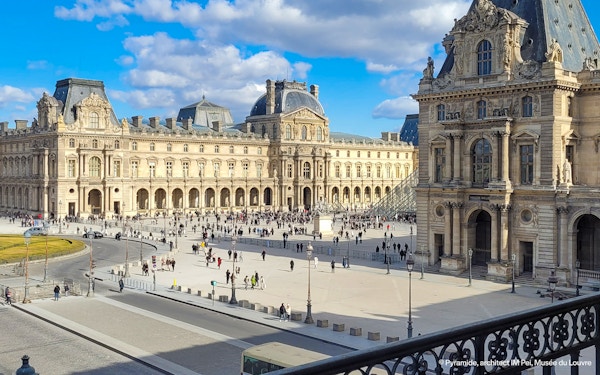
The Heist Timeline and Execution
The operation unfolded during regular museum hours, when thousands of visitors typically crowd the galleries. Security experts suggest the thieves likely exploited specific timing windows when guard rotations occur or when visitor density creates natural blind spots in surveillance coverage. The eight-minute timeframe indicates either extensive pre-operational planning or insider knowledge of security protocols.
Security Vulnerabilities Exposed
Despite the Louvre's reputation for state-of-the-art security measures, including motion sensors, thermal imaging, and armed guards, the successful heist reveals significant gaps in protection systems. The thieves apparently bypassed multiple security layers, suggesting either technological sophistication or detailed knowledge of security weaknesses. This incident has prompted museums worldwide to reassess their protection strategies for priceless cultural artifacts.

Global Implications for Museum Security
The Louvre heist represents more than just a single security failure—it signals a new era of sophisticated art crime that challenges conventional protection methods. Cultural institutions globally are now forced to confront the reality that determined criminal organizations can overcome even the most advanced security systems. The incident has sparked international discussions about enhancing collaboration between museums, law enforcement, and security technology providers.
Preventive Measures and Future Protocols
In response to the heist, security experts recommend several immediate enhancements to museum protection systems. These include implementing more frequent and unpredictable guard patrol patterns, upgrading to AI-powered surveillance that can detect unusual behavioral patterns, and establishing redundant authentication systems for high-value artifact access. Additionally, museums are exploring blockchain technology for artifact tracking and authentication.

Broader Impact on Cultural Heritage Protection
This incident underscores the ongoing challenge of protecting humanity's cultural heritage in an increasingly sophisticated criminal landscape. The psychological impact of such brazen thefts extends beyond financial loss, striking at public confidence in our ability to safeguard shared cultural treasures. As museums balance accessibility with security, new approaches must emerge that protect artifacts without transforming cultural institutions into fortresses.
The Louvre daylight heist serves as a stark reminder that no institution, regardless of its reputation or resources, is immune to determined criminal enterprises. The eight-minute operation has become a case study in security vulnerability assessment, prompting global reevaluation of how we protect our most precious cultural assets against evolving threats in the modern era.