Trump's Strategic Engagement with Putin and Zelenskyy Amid Ukraine War Diplomacy
U.S. President Donald Trump's recent phone call with Russian President Vladimir Putin sets the stage for crucial diplomatic engagements as Ukraine seeks advanced military capabilities. The conversation, occurring just before Trump's White House meeting with Ukrainian President Volodymyr Zelenskyy, centers on Ukraine's request for long-range Tomahawk missiles and potential pathways to ending the ongoing conflict. This development comes as Trump signals renewed confidence in resolving the war following recent Middle East ceasefire successes, while simultaneously considering escalating military support to Ukraine as leverage in negotiations.
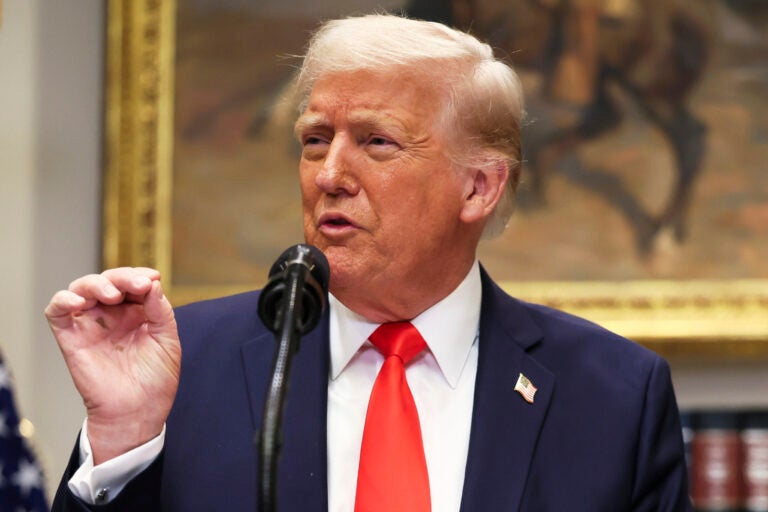
In a significant diplomatic development, U.S. President Donald Trump engaged in a crucial phone conversation with Russian President Vladimir Putin, setting the stage for intensified efforts to resolve the ongoing Ukraine conflict. The timing of this discussion is particularly strategic, occurring immediately before Trump's scheduled meeting with Ukrainian President Volodymyr Zelenskyy at the White House, where Ukraine's request for advanced military capabilities takes center stage.
Diplomatic Context and Strategic Timing
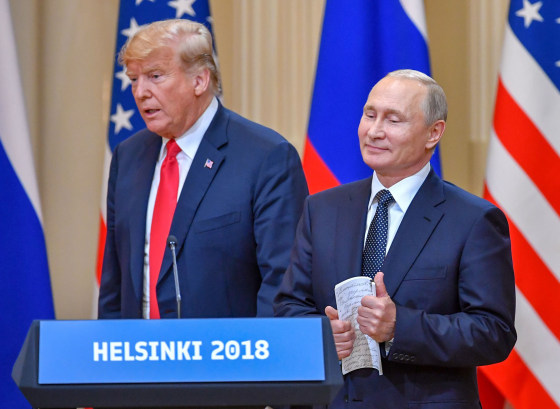
The Trump-Putin conversation represents the latest chapter in the complex diplomatic dance surrounding the Ukraine war, now approaching its fourth year. According to reports from The Associated Press, Trump indicated his intention to meet with Putin in Hungary to advance peace efforts, though specific dates remain undetermined. This diplomatic push comes as Trump shifts focus from recent Middle East ceasefire achievements to what he describes as the priority conflict: "First we have to get Russia done," Trump emphasized during recent remarks.
Ukraine's Military Requests and Strategic Considerations
Central to the upcoming Zelenskyy meeting is Ukraine's persistent appeal for Tomahawk cruise missiles, weapons systems that would dramatically extend Ukraine's strike capabilities deep into Russian territory. The Tomahawk's approximately 995-mile range far exceeds Ukraine's current missile capabilities, potentially altering the strategic balance. As Trump noted regarding Zelenskyy's position, "He'd like to have Tomahawks. We have a lot of Tomahawks."

Diplomatic Leverage and Economic Pressure
The potential provision of Tomahawks represents more than military assistance—it serves as crucial diplomatic leverage in Trump's efforts to compel Russian engagement in direct negotiations. Trump has publicly criticized Putin's reluctance to end the conflict, noting Russia's economic challenges while maintaining that "Vladimir and I had a very good relationship, probably still do." Meanwhile, the Kremlin has responded with appreciation for Trump's mediation efforts while asserting Russia's economic resilience.
Beyond military considerations, the administration is evaluating additional economic pressure measures. Congressional legislation proposing steep tariffs on countries purchasing Russian oil, gas, and uranium awaits Trump's endorsement, with behind-the-scenes discussions indicating growing White House interest in strengthening Russia sanctions.
International Dimensions and Alliance Coordination
The Ukraine diplomacy extends beyond bilateral relations, involving complex coordination with European allies and other international partners. Treasury Secretary Scott Bessent emphasized the need for European cooperation, noting the continent faces greater direct threat from Russian aggression. Recent claims of India agreeing to cease Russian oil purchases suggest broader international efforts to economically isolate Moscow, though verification of such agreements remains crucial.

Path Forward and Strategic Implications
As Trump prepares for consecutive engagements with both Ukrainian and Russian leadership, the diplomatic landscape reflects both opportunity and complexity. The potential provision of advanced weaponry to Ukraine carries significant implications for battlefield dynamics, diplomatic negotiations, and broader U.S.-Russia relations. With Trump expressing renewed confidence following Middle East ceasefire successes, the coming weeks may prove decisive in determining whether diplomatic breakthroughs can be achieved or whether military escalation becomes inevitable.
The delicate balance between strengthening Ukraine's defensive capabilities and maintaining diplomatic channels with Russia represents the central challenge facing the administration. As these high-stakes discussions unfold, the international community watches closely, recognizing that the outcomes could reshape European security architecture and great power relations for years to come.