Alaska Villages Devastated by Typhoon Halong Remnants: Homes Swept Away in Catastrophic Flooding
Coastal communities in western Alaska are facing catastrophic damage as the remnants of Typhoon Halong brought hurricane-force winds and severe flooding, pushing at least eight homes from their foundations. Rescue operations are underway in the villages of Kipnuk and Kwigillingok, where reports indicate multiple people remain unaccounted for. More than a dozen agencies, including the Alaska National Guard, have been activated to assist with disaster response as the region faces one of its most significant weather emergencies in recent memory.
The remnants of Typhoon Halong have unleashed catastrophic destruction across western Alaska, with coastal communities experiencing hurricane-force winds and severe flooding that has pushed entire homes from their foundations. Alaska State Troopers confirmed receiving reports of "at least eight homes being pushed from their foundations" as the storm system battered the region with unprecedented force.

Emergency Response and Rescue Operations
Rescue aircraft were urgently dispatched to the remote Alaskan villages of Kipnuk and Kwigillingok, where initial reports suggested up to 20 people might be unaccounted for. Jeremy Zidek, spokesperson for the state Division of Homeland Security and Emergency Management, expressed grave concern about the situation, stating, "We have received reports that people's homes have floated away and that people were potentially in those homes."
The scale of the emergency response reflects the severity of the situation, with more than a dozen agencies mobilized to address the crisis. The Alaska Organized Militia, which includes the Alaska National Guard, Alaska State Defense Force, and Alaska Naval Militia, has activated up to 60 members to assist with storm response operations across affected western Alaska communities.
Community Impact and Damage Assessment
In Kwigillingok, rescue teams successfully saved at least 18 people, while in Kipnuk, at least 16 individuals were rescued from the dangerous flood conditions. However, the situation remains critical, with three people still unaccounted for in Kwigillingok as of Sunday evening local time. Troopers had also received reports of additional missing persons in Kipnuk but could not confirm exact numbers.
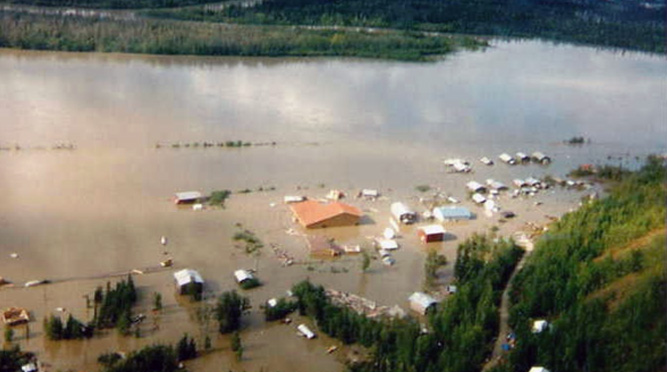
The flooding reached extreme levels, with water rising 6.6 feet above the highest tide in Kipnuk, where more than 170 people sought refuge in a community shelter overnight. The storm's impact extended beyond residential areas, damaging critical infrastructure including roads, boardwalks, and power lines in multiple Yukon-Kuskokwim communities including Bethel, Napaskiak, and Napakiak.
Geographic Challenges and Government Response
The affected region presents unique challenges for emergency responders, being among the most isolated areas in the United States. Many communities have limited road access, with residents typically relying on boardwalks, boats, and snowmobiles for transportation. These geographical constraints have complicated rescue and recovery efforts in the aftermath of the devastating storm.
Alaska Governor Mike Dunleavy has taken decisive action in response to the crisis, expanding the state's disaster declaration to include areas impacted by the storm. The governor initially issued the disaster declaration on Thursday following another powerful storm that had previously affected western Alaska. In his official statement, Governor Dunleavy assured residents, "Every effort will be made to help those hit by this storm. Help is on the way."

Recovery operations continue as crews work to clear debris from critical infrastructure, including the airport runway in Bethel, which was littered with wreckage from the high winds. The coordinated response effort represents a comprehensive approach to addressing one of the most significant natural disasters to hit western Alaska in recent years, with multiple state and federal agencies working together to provide assistance to affected communities.