Israeli Cabinet Approves Hostage Release Deal Outline Amid Gaza Ceasefire Agreement
Israel's Cabinet has approved an outline for a deal to release all remaining hostages held by Hamas, marking a significant step toward ending the two-year Gaza conflict. The agreement, part of a broader ceasefire plan, comes after months of negotiations and addresses the release of approximately 48 hostages still in captivity. While the hostage release component has been approved, other controversial aspects of the broader ceasefire agreement remain unmentioned in the official statement from Prime Minister Netanyahu's office.
In a significant development toward resolving the prolonged Gaza conflict, Israel's Cabinet has officially approved the outline of a deal to secure the release of all remaining hostages held by Hamas. This approval represents a crucial milestone in efforts to end a devastating two-year war that has caused widespread destruction and humanitarian crisis in the region.
Cabinet Approval and Official Statement
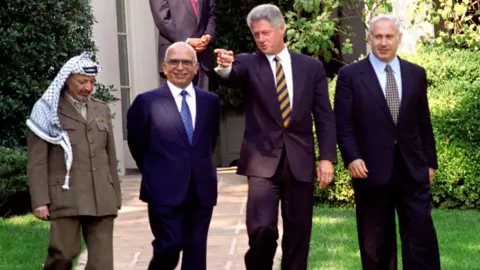
The Israeli Cabinet's early Friday vote authorized what Prime Minister Benjamin Netanyahu's office described as the "outline" of a hostage release agreement. According to the official statement, the approval specifically addressed the hostage release component while notably omitting mention of other, more controversial aspects of the broader ceasefire plan. This strategic approach suggests the government is moving forward with the humanitarian aspect of the agreement while potentially deferring discussion on more politically sensitive elements.
Broader Ceasefire Context
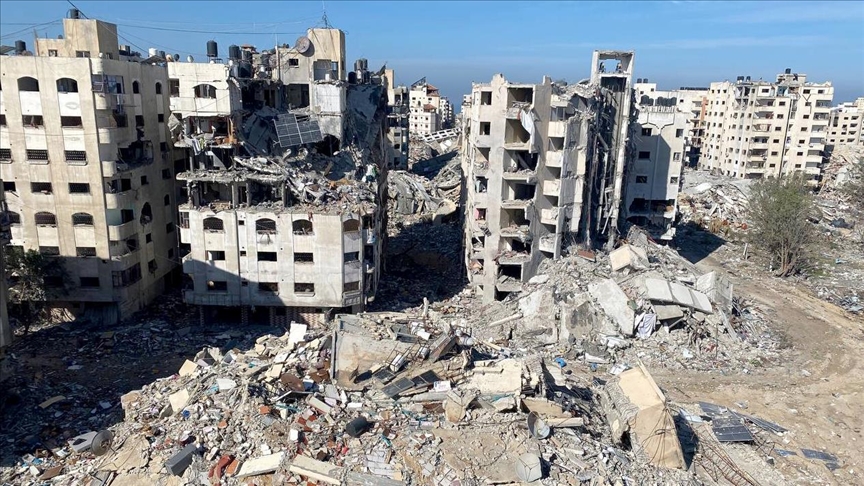
The hostage release forms part of a comprehensive ceasefire plan that includes numerous unresolved questions regarding Gaza's future governance and security arrangements. Key issues that remain unaddressed include the potential disarmament of Hamas and the establishment of a governing authority in Gaza. Despite these outstanding concerns, the agreement represents the most significant progress toward ending the conflict in months, offering hope for resolution to a war that has resulted in tens of thousands of Palestinian casualties and widespread destruction throughout the territory.
Implementation Timeline and Process
The agreement outlines a structured implementation process, with hostage releases expected to begin within days of the Cabinet's approval. Under the terms, Hamas intends to release all living hostages while Israel will commence a phased military withdrawal from most of Gaza. The deal includes provisions for publishing lists of prisoners to be released and establishing withdrawal maps, with border crossings including the crucial Rafah crossing between Gaza and Egypt scheduled to reopen to facilitate humanitarian aid delivery.
International Involvement
The United States has committed approximately 200 troops to support and monitor the ceasefire implementation as part of an international team. This international oversight reflects the global significance of the agreement and the complex security arrangements required for successful implementation. The broader Trump administration plan envisions an international force, primarily composed of troops from Arab and Muslim countries, taking responsibility for security inside Gaza while Israel maintains a presence along its border.
Regional Reactions and Humanitarian Impact
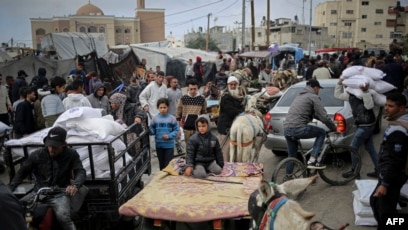
Reactions to the ceasefire announcement have been mixed, with cautious celebrations tempered by the profound losses suffered during the conflict. In southern Gaza, residents expressed both relief and concern about returning to devastated communities, while in Tel Aviv, families of hostages celebrated the potential return of their loved ones. The United Nations has prepared substantial humanitarian aid—approximately 170,000 metric tons of medicine and supplies—ready for immediate delivery once implementation begins.
Political Implications
The agreement carries significant political implications for Prime Minister Netanyahu, whose leadership has been challenged throughout the conflict. The successful negotiation of a hostage release deal potentially strengthens his political standing, particularly given the opposition from hard-line coalition partners who advocated for continued military operations against Hamas. The broader ceasefire plan also addresses the potential future role of the Palestinian Authority, though this remains a contentious issue within Israeli politics.
The Cabinet's approval of the hostage release outline marks a pivotal moment in the Gaza conflict, offering hope for resolution to a humanitarian crisis while leaving complex political and security questions for future negotiation. As implementation proceeds, the international community will closely monitor both the successful return of hostages and the broader process of establishing sustainable peace and governance in the region.