Saskatchewan Exports to China Plummet Amid Trade Dispute, Prompting Calls for Premier Action
Saskatchewan Premier Scott Moe faces renewed pressure to advocate for farmers as new Statistics Canada data reveals a dramatic 76% decline in provincial exports to China during August 2025. The export collapse comes amid an ongoing trade dispute where Beijing has imposed retaliatory tariffs on Canadian canola products following Canada's 100% tariff on Chinese electric vehicles. With farming and food products comprising approximately 60% of Saskatchewan's exports to China, the economic impact could significantly affect the province's agricultural sector and broader economy.
Saskatchewan Premier Scott Moe is confronting mounting pressure to defend provincial agricultural interests as new export figures reveal a staggering decline in trade with China. According to Statistics Canada data released this week, Saskatchewan exported only $96 million in goods to China during August 2025, representing a dramatic 76% decrease compared to the same period last year.

Trade Dispute Background
The export collapse occurs within the context of an escalating trade dispute between Canada and China. Beijing has implemented tariffs on Canadian canola products, widely perceived as retaliation for Canada's 100% tariff on Chinese electric vehicles. This tit-for-tat trade measures has created significant challenges for Saskatchewan's agricultural sector, which relies heavily on Chinese markets for its export revenue.
Economic Impact on Saskatchewan
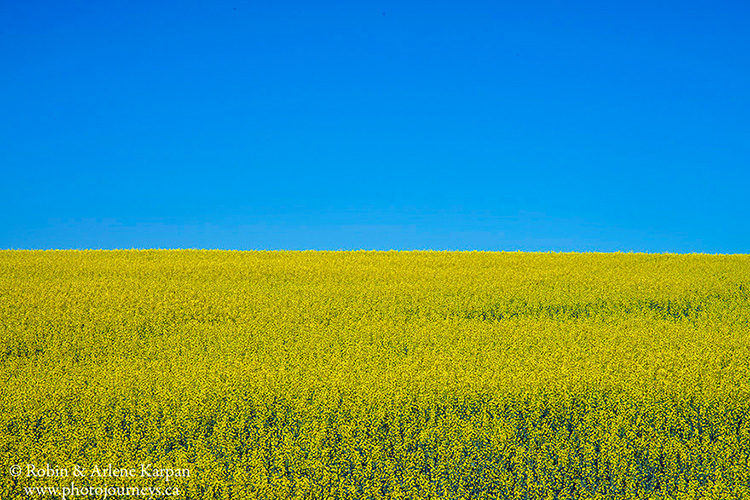
The export decline carries substantial economic implications for Saskatchewan, particularly given that farming and food products constitute approximately 60% of the province's exports to China. Opposition NDP trade critic Aleana Young has emphasized the potential consequences for both the provincial economy and job market. "People are worried about the impact that this is going to have on their ability to keep crop in the bin, what this will mean for next year and whether they're going to be in a position to keep their family farms going," Young stated during a press conference.
Political Response and Calls for Action
Opposition critics are urging Premier Moe to take a stronger stance in advocating for the removal of electric vehicle tariffs. Young specifically called for daily communication with federal leadership, stating that Moe "should be on the phone every single day with the prime minister of Canada, making the case that these tariffs need to come off to help Saskatchewan's economy." While Moe had previously expressed desire for Ottawa to eliminate the electric vehicle tariff, he has since acknowledged that removing it would not constitute a simple solution, particularly given Canada's alignment with United States trade policy.
Government Position and Trade Diversification
In response to the escalating situation, Premier Moe's office released a statement emphasizing the need for continued dialogue between Ottawa and Beijing. "Saskatchewan will continue to call on the federal government to make this happen and remains ready to offer any insight or assistance if required," the statement read. The provincial government highlighted its ongoing efforts to diversify trade partnerships, noting that Saskatchewan has exported nearly $50 billion in goods annually over the past three years. China remains Saskatchewan's second-largest export market, having received nearly $4 billion in agricultural products from the province last year.
The current trade dispute underscores the delicate balance provincial leaders must maintain between supporting local agricultural interests and navigating complex international trade relationships. As export figures continue to decline, the pressure on Premier Moe to secure favorable outcomes for Saskatchewan farmers is likely to intensify in the coming months.