The Environmental Impact of AI Data Centers: Why Location Matters
A new analysis reveals that the rapid expansion of AI data centers in the US is creating significant environmental challenges, with emissions potentially reaching 44 million tons of CO2 equivalent annually. The study identifies optimal locations for data centers based on water scarcity and renewable energy availability, finding that current development patterns don't align with environmental sustainability. States like Texas, Montana, Nebraska, and South Dakota offer better conditions than traditional data center hubs in Virginia and California, highlighting the need for strategic planning in the AI infrastructure boom.
The explosive growth of artificial intelligence is driving an unprecedented buildout of data centers across the United States, creating both economic opportunities and environmental challenges. A comprehensive new analysis published in Nature Communications examines the coming environmental footprint of AI infrastructure and reveals a critical disconnect: the ideal locations for data centers from an environmental perspective aren't where most development is currently happening.
The Environmental Challenge of AI Expansion
The AI industry's rapid growth has created an infrastructure race that shows no signs of slowing down. Major tech companies are making massive investments, with Meta committing $600 billion to US infrastructure including data centers by 2028, and OpenAI planning to spend $1.4 trillion. This explosive growth comes with significant environmental implications that researchers are only beginning to quantify.
According to the analysis by Fengqi You, a professor in energy systems engineering at Cornell, the AI industry is "growing much faster than we expected" and creating substantial momentum that demands careful environmental consideration. The study, which began three years ago, arrives at what You calls "a perfect time to understand how AI is making an impact on climate systems and water usage and consumption."
Optimal Locations Versus Current Development
The research identifies Texas, Montana, Nebraska, and South Dakota as "optimal candidates for AI server installations" based on their balance of renewable energy potential and water availability. These states offer grids with cleaner energy sources and face less water scarcity than many traditional data center hubs.

However, current development patterns tell a different story. Virginia remains the data center hub of the US with more than 650 facilities, while California hosts over 320 data centers. These traditional locations offer advantages like proximity to Washington DC and Silicon Valley, dense fiber connectivity, and skilled workforces, but they present environmental challenges that could undermine sustainability goals.
Environmental Impacts and Resource Constraints
In the most extreme scenarios, the analysis projects that the US data center buildout could generate up to 44 million tons of carbon dioxide equivalent annually—more than entire countries like Hungary, Portugal, and New Zealand each generated in 2022. This projection highlights the scale of potential environmental impact if development continues without strategic planning.
Water scarcity presents another critical challenge. Data centers require substantial water for cooling systems, and states like Arizona, which hosts more than 160 data centers, face "severe water scarcity issues" according to the analysis. California's long-running water problems could also be exacerbated by continued data center expansion in the state.
The Path Forward for Sustainable AI Infrastructure
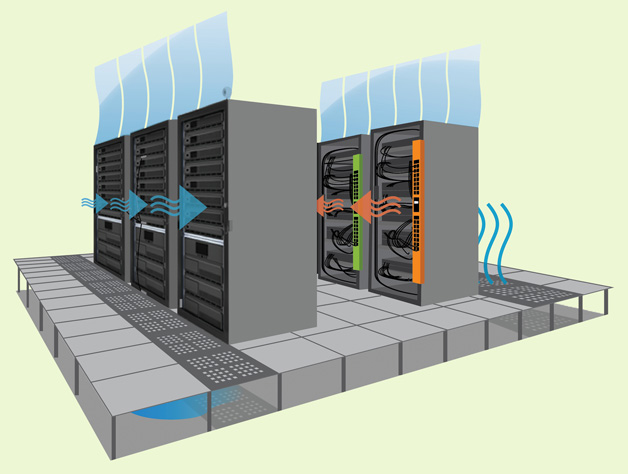
The study suggests that technological advancements in cooling systems and power efficiency, combined with strategic siting of data centers, could dramatically reduce both emissions and water use. However, researchers caution that predicting the exact environmental impact remains challenging due to numerous variables, including potential improvements in model efficiency and changes in energy grid composition.
Noman Bashir, the Computing and Climate Impact Fellow at MIT's Climate and Sustainability Consortium, notes that while specific numbers should be viewed cautiously, the study's fundamental conclusion remains valid: tech companies that made net-zero pledges are unlikely to meet them given the current rush to build data centers. Major players like Google and Microsoft have already acknowledged in recent sustainability reports that their AI focus is making emissions reduction targets more difficult to achieve.
As the AI industry continues its rapid expansion, the research underscores the importance of considering environmental sustainability from the earliest stages of infrastructure planning. With careful location selection and continued technological innovation, the environmental footprint of AI data centers can be minimized while still supporting the growth of this transformative technology.