Federal Immigration Enforcement in Chicago: Legal Challenges and Community Concerns
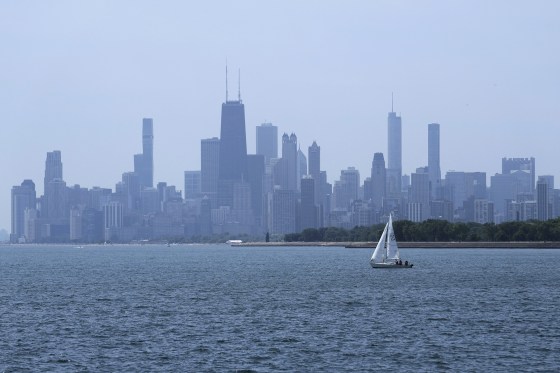
Chicago residents are experiencing heightened anxiety as armed Border Patrol agents conduct arrests near prominent city landmarks, part of a broader immigration crackdown that began last month. This escalation comes amid legal battles between Illinois officials and the Trump administration over National Guard deployments, with Governor JB Pritzker calling the potential troop movement an 'invasion' and filing lawsuits to block federal actions. The situation reflects ongoing tensions between local leadership and federal immigration enforcement strategies in major urban centers.
The presence of armed Border Patrol agents conducting arrests near Chicago's famous landmarks has intensified concerns among residents already unsettled by an immigration enforcement crackdown that began last month. This development comes amid escalating legal and political tensions between Illinois officials and the Trump administration over federal intervention in the city.
Legal Challenges to Federal Deployment
Illinois and Chicago filed a lawsuit on Monday seeking to block President Donald Trump's administration from sending hundreds of National Guard troops to the city. This legal action followed closely after a federal judge blocked similar troop deployments to Portland, Oregon. The lawsuit alleges that President Trump's advances in what it calls his 'War' on Chicago and Illinois are both unlawful and dangerous.
According to the legal challenge filed by state officials, "The American people, regardless of where they reside, should not live under the threat of occupation by the United States military, particularly not simply because their city or state leadership has fallen out of a president's favor." This statement reflects the deepening political divide over federal intervention in local law enforcement matters.
 fit=constrain" alt="Illinois Governor JB Pritzker addressing media" id="illus-2">
Federal Justification and Local Response
The White House defended the potential deployment, with spokesperson Abigail Jackson confirming that President Trump authorized using Illinois National Guard members, citing what she described as "ongoing violent riots and lawlessness" that local leaders have failed to quell. This characterization directly conflicts with assessments from Chicago officials who argue that federal involvement is actually inflaming the situation rather than improving public safety.
Illinois Democratic Governor JB Pritzker characterized the potential deployment as "Trump's invasion" and called on Republican Texas Governor Greg Abbott to block the movement of troops from his state. Governor Abbott pushed back, asserting that the crackdown was necessary to protect federal workers involved in the president's increased immigration enforcement efforts in Chicago.
Community Impact and Enforcement Actions
The visible presence of federal agents in immigrant-heavy and largely Latino areas of Chicago has amplified concerns among residents. Border Patrol agents have been conducting arrests near famous landmarks, creating a heightened sense of anxiety in communities already uneasy about the immigration crackdown that began last month.
Recent enforcement actions have included the arrest of 13 protesters on Friday near the U.S. Immigration and Customs Enforcement processing facility in Broadview, just outside Chicago. The Department of Homeland Security also acknowledged that federal agents shot a woman on Saturday morning on Chicago's southwest side, stating that the incident occurred after Border Patrol agents patrolling the area "were rammed by vehicles and boxed in by 10 cars."

Broader National Context
Chicago represents just one front in what has become a broader pattern of federal intervention in cities across the United States. Since the start of his second term, President Trump has sent or discussed sending troops to 10 cities, including Baltimore, Memphis, Tennessee, the District of Columbia, New Orleans, and several California cities including Oakland, San Francisco and Los Angeles.
The legal landscape for these deployments remains contentious. A federal judge in September ruled that the administration "willfully" broke federal law by deploying guard troops to Los Angeles over protests about immigration raids. This ruling, combined with the recent temporary restraining order blocking deployments to Portland, suggests an ongoing judicial skepticism about the legality of these federal actions.
As these legal battles continue, Chicago residents face the immediate reality of increased federal immigration enforcement in their communities. The situation highlights the complex interplay between federal authority, local autonomy, and the real-world impact of immigration enforcement strategies on urban communities.