The Urgent Logistics of Gaza Hostage Release: A Critical Diplomatic Challenge
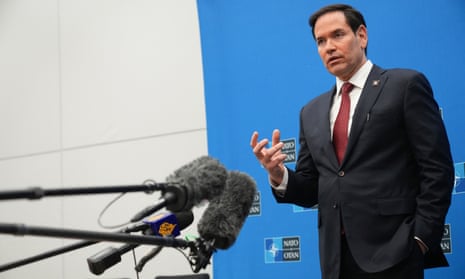
Secretary of State Marco Rubio has emphasized the critical urgency in resolving the logistical and mechanical details for releasing hostages from Gaza, calling it the 'most emergent and immediate phase' of the current peace proposal. With negotiations underway in Cairo, the focus remains on establishing a swift process that cannot 'drag on' while addressing the complex realities of operating in an active war zone. The success of these immediate efforts could pave the way for broader regional stability and the establishment of a Gaza free from terrorist influence.
The ongoing negotiations for hostage release in Gaza represent one of the most urgent diplomatic challenges in recent Middle East history. Secretary of State Marco Rubio has characterized this phase as the "most emergent and immediate" component of the broader peace framework, emphasizing that the logistical and mechanical details must be resolved with exceptional speed. As diplomatic teams converge in Cairo, the pressure mounts to establish a workable process that can safely return hostages to their families while navigating the complex realities of an active conflict zone.

The Immediate Priority: Hostage Release Mechanics
According to Secretary Rubio's statements on "Face the Nation with Margaret Brennan," the current negotiations focus specifically on "the logistics and the mechanics behind how that happens." This narrow focus reflects the understanding that successful hostage recovery requires meticulous planning and coordination. The secretary stressed that "this cannot drag on," highlighting the time-sensitive nature of the operation and the humanitarian imperative driving the diplomatic efforts.
Operational Challenges in a War Zone
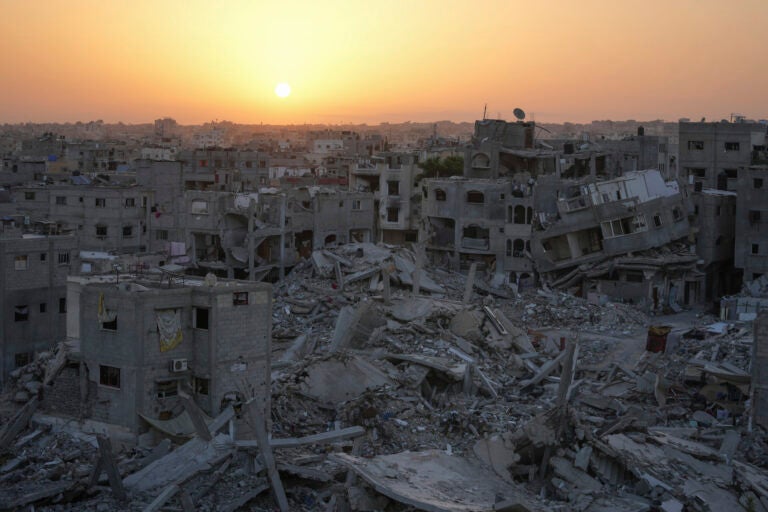
The practical realities of implementing a hostage release in Gaza present significant obstacles. As Rubio noted, "this is a war zone that's suffered a tremendous amount of destruction." The ongoing military operations complicate the safe extraction and transfer of hostages, requiring temporary cessations of hostilities to enable the process. The secretary explained that "you can't release hostages while there's still bombardments going on," indicating that successful implementation depends on coordinated de-escalation alongside the diplomatic negotiations.
International Coordination and Pressure
The success of the hostage release initiative relies heavily on international cooperation and regional pressure. Rubio emphasized the importance of partners including the UAE, Qatar, Turkey, Jordan, and Egypt in applying "a lot of pressure on Hamas to make sure this happens as quickly as possible." This multilateral approach underscores the complexity of the diplomatic landscape and the need for coordinated action across multiple stakeholders with varying interests and influence in the region.
Broader Implications for Regional Stability
While the immediate focus remains on hostage recovery, the successful implementation of this phase could have far-reaching consequences for regional stability. As outlined in the peace proposal, the hostage release represents the first step toward broader objectives, including establishing "a Gaza free of terrorism, free of Hamas, free of anything like Hamas." Rubio acknowledged that achieving these longer-term goals "is going to require a lot of work and a lot of international support," but expressed optimism that "for the first time in a long time, you see the framework and the output lines of something that could work."
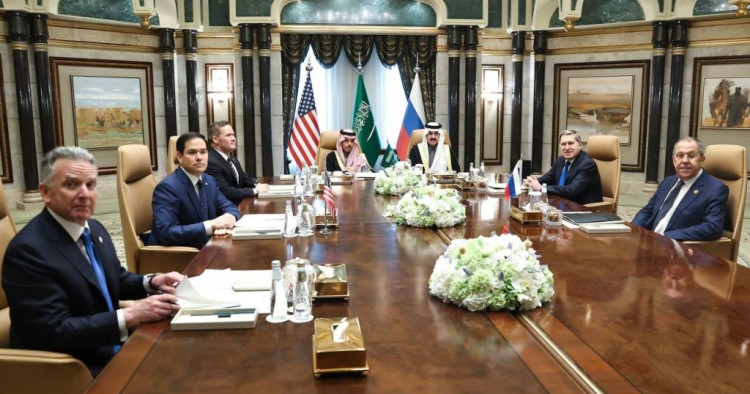
The urgency expressed by Secretary Rubio reflects both the humanitarian imperative and the strategic importance of successful implementation. With technical teams working to finalize details and high-level diplomatic engagement continuing, the coming days will be critical in determining whether the current framework can deliver on its immediate objectives while laying the groundwork for sustainable regional peace.