Hamas Agrees to Key Elements of Trump's Gaza Peace Proposal
Hamas has responded positively to President Trump's ceasefire proposal, agreeing to release all Israeli hostages and transfer Gaza administration to a Palestinian technocratic body. The group's statement indicates willingness to implement major portions of the peace plan, though some details remain subject to negotiation. The development comes as Israel prepares to implement the first phase of the agreement, marking a potential breakthrough in the ongoing conflict.
In a significant development toward resolving the Gaza conflict, Hamas has agreed to key components of President Trump's peace proposal, signaling a potential breakthrough in the protracted war. The militant group's positive response to the ceasefire framework represents the most substantial progress toward peace since the conflict began in October 2023.
Agreement Framework and Key Provisions
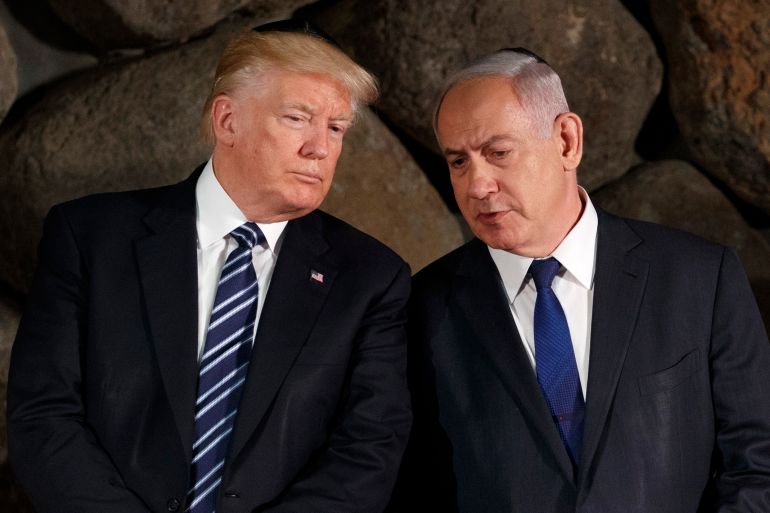
Hamas confirmed in an official statement that it has accepted major elements of the peace plan outlined by President Trump earlier this week. The agreement centers on two critical components: the release of all remaining Israeli hostages and the establishment of a new administrative structure for Gaza. According to the proposal detailed by the White House, Hamas would release all hostages taken during the October 7, 2023 attack within 72 hours of agreement implementation.
Hostage Release Mechanism
The hostage exchange formula follows President Trump's proposed framework, which calls for Hamas to release all living hostages and the remains of deceased captives. In return, Israel would release 250 Palestinians serving life sentences and 1,700 other Gazans detained since the conflict began. This prisoner exchange represents one of the most comprehensive such agreements in recent Middle East conflict history.
Gaza Administration Transition
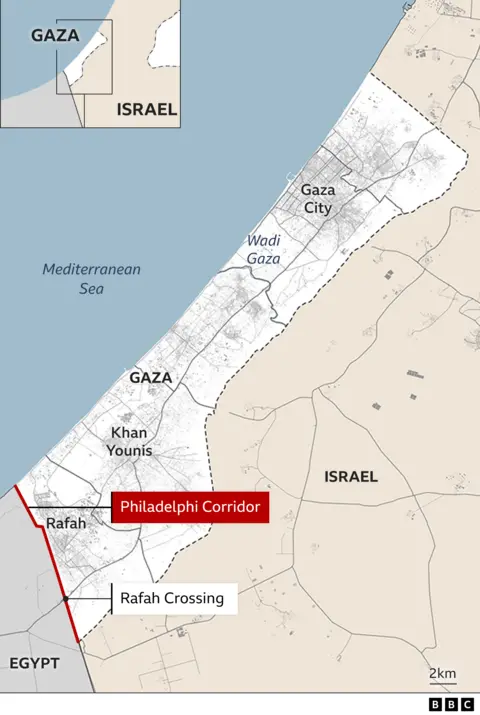
A crucial aspect of the agreement involves Hamas relinquishing administrative control of Gaza to a Palestinian body of independent technocrats. This transfer of authority would be based on Palestinian national consensus with support from Arab and Islamic parties. The proposal represents a significant shift in Gaza's governance structure and addresses one of Israel's primary security concerns regarding Hamas's political control.
Military Withdrawal Timeline
The peace plan outlines a phased Israeli military withdrawal from parts of the Gaza Strip, beginning with an initial pullback before hostage release operations commence. This sequenced approach aims to build confidence between the parties while ensuring security coordination throughout the implementation process. The withdrawal would proceed to "an agreed upon line" as specified in the proposal.
Implementation and Remaining Challenges
While Hamas has agreed to the core elements, the group indicated that certain aspects require further discussion within an inclusive Palestinian national framework. These unresolved issues will need to be addressed through continued negotiations, with the United States playing a central mediating role alongside regional partners including Qatar and Egypt.

International Response and Next Steps
President Trump described Hamas's response as positive, noting that the group appears "ready for a lasting PEACE." The president emphasized the urgency of implementing the agreement, calling for Israel to immediately cease bombing operations to facilitate safe hostage recovery. With the Sunday deadline approaching, all parties are working to finalize implementation details that could begin as early as next week.
The conflict, which began with Hamas's October 7 attack that killed approximately 1,200 Israelis and resulted in 251 hostages, has claimed over 66,000 Palestinian lives according to Gaza health authorities. The current agreement represents the most viable path toward ending the violence and establishing sustainable peace in the region.