Footwear Brands Evolve Through Strategic Creative Collaborations
Major footwear labels including Nike, New Balance, Puma, Umbro, and Autry are partnering with fashion houses like Jacquemus, Ganni, Louis Gabriel Nouchi, Rains, and Kitsuné to reinvent their aesthetic appeal and reach new consumer segments. These collaborations span from minimalist reinterpretations to nostalgic revivals, demonstrating the sneaker's remarkable versatility in adapting to contemporary fashion trends while maintaining sporting heritage. The partnerships represent a strategic evolution in how traditional sportswear brands can refresh their identity and expand market presence through creative alliances.
The footwear industry is witnessing a significant transformation as established sportswear brands increasingly turn to creative partnerships with fashion labels to evolve their aesthetic identity and connect with new consumer demographics. This strategic shift represents a calculated evolution in brand positioning, where traditional athletic footwear meets contemporary fashion sensibilities through carefully curated collaborations.
The Collaborative Landscape
This autumn has brought a wave of sneaker collaborations that demonstrate the versatility of athletic footwear in reinventing itself through fashion partnerships. Brands are moving beyond traditional sportswear boundaries to embrace minimalism, nostalgia, and diverse sporting references. These partnerships range from one-off releases to comprehensive capsule collections, each bringing unique design perspectives to established footwear silhouettes.
Notable Partnership Examples
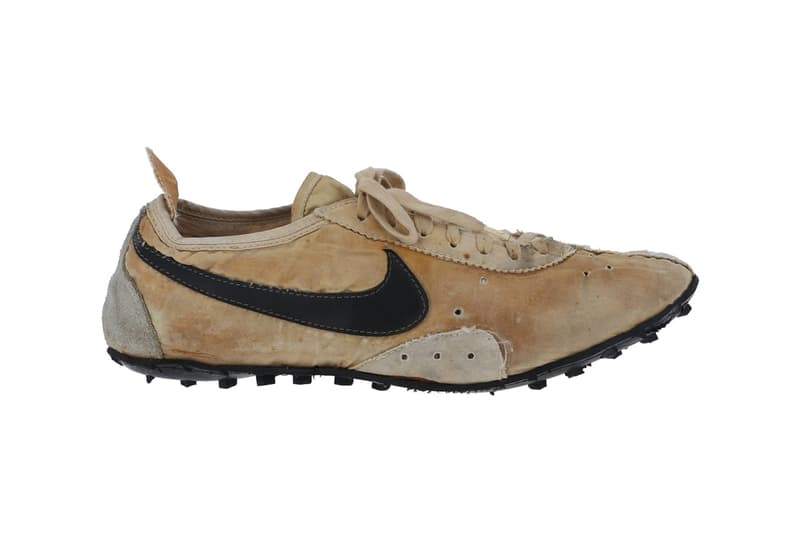
Several high-profile collaborations illustrate this trend effectively. Nike and Jacquemus have continued their collaborative relationship with a fourth partnership, reimagining the iconic 1972 Moon Shoe with modern ballet and athletic performance influences. The design features a ruched nylon upper and streamlined profile while maintaining the original waffle sole, available in pale yellow, black, and red colorways.
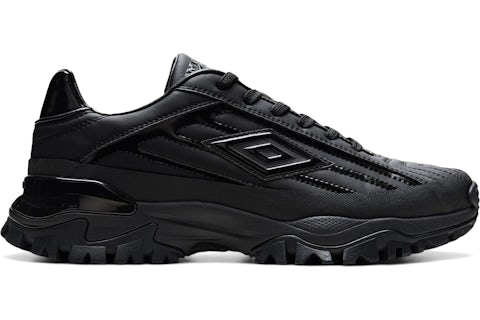
Meanwhile, Umbro and Rains have launched their first joint capsule collection titled "Apply Pressure," revisiting the Fusion model with a pared-back aesthetic. The design incorporates exposed seams inspired by football shirts and creates graphic interplay between the two brand logos. New Balance's partnership with Ganni has produced the 1906L model, which balances running shoe energy with moccasin elegance, featuring the Danish brand's signature serpent motif and butterfly details.
Design Innovation and Market Positioning
These collaborations demonstrate how footwear brands are leveraging creative partnerships to explore new design territories. Puma's work with Louis Gabriel Nouchi has resulted in the Mostro Sock, a minimalist reinterpretation that swaps traditional straps for an ankle-high sock design while retaining the original's textured sole. Similarly, Autry's partnership with Maison Kitsuné revisits an iconic 1980s model with Franco-American influences, incorporating retro tones and sport-inspired details.
The strategic importance of these collaborations extends beyond aesthetic innovation. They represent calculated market expansion efforts, allowing sportswear brands to access new consumer segments while maintaining their core identity. By partnering with fashion houses that have established credibility in specific style domains, footwear labels can introduce their products to audiences that might not typically engage with traditional athletic brands.
Future Implications
This trend toward creative collaborations signals a broader shift in how footwear brands approach product development and market positioning. Rather than relying solely on internal design teams, companies are increasingly looking outward for creative inspiration and brand enhancement. This approach allows for rapid aesthetic evolution while minimizing the risks associated with complete brand overhauls.
As consumer preferences continue to evolve toward more personalized and style-conscious footwear choices, these strategic partnerships provide a flexible framework for brands to adapt while maintaining their heritage and technical credibility. The success of these collaborations suggests that the boundaries between sportswear and fashion will continue to blur, creating new opportunities for brand evolution and market expansion.