Zaporizhzhia Nuclear Power Plant: Ukraine's Sole Russian-Controlled Facility Faces Critical Safety Challenges
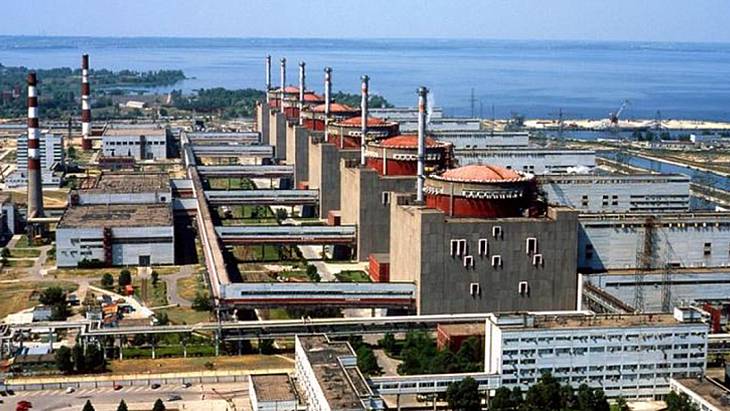
The Zaporizhzhia Nuclear Power Plant, Europe's largest nuclear facility, remains the only one of Ukraine's four nuclear plants under Russian occupation since February 2022. Recent power outages have raised significant safety concerns, with emergency diesel generators operating beyond their intended capacity to cool reactors. International Atomic Energy Agency officials warn the current situation is unsustainable for nuclear safety, while Ukrainian President Zelenskyy describes conditions as critical. The plant has experienced multiple power disruptions throughout the conflict, highlighting ongoing risks at this strategically important facility.
The Zaporizhzhia Nuclear Power Plant represents a critical component of Ukraine's energy infrastructure and a significant point of concern in the ongoing conflict with Russia. As Europe's largest nuclear facility, its safety and operational status have drawn international attention, particularly given its unique position as the only one of Ukraine's four nuclear plants currently under Russian control.
Occupational Status and Strategic Importance
Russian forces seized control of the Zaporizhzhia Nuclear Power Plant just days into their full-scale invasion of Ukraine in February 2022. This occupation placed one of the world's largest nuclear facilities under foreign military control, creating unprecedented challenges for nuclear safety protocols and international oversight. The plant's strategic location in southern Ukraine and its substantial energy production capacity make it a valuable asset, while its continued operation under occupation raises complex safety and security questions.
Recent Safety Concerns and Power Outages
Recent developments have highlighted the precarious safety situation at the facility. The plant has been without mainline power for over a week, relying entirely on emergency diesel generators to maintain essential cooling systems for its reactors. According to International Atomic Energy Agency Director-General Rafael Mariano Grossi, while there is no immediate risk to the plant, the current setup represents an unsustainable situation for nuclear safety. The emergency generators, while currently functional, were not designed for continuous operation at this scale.
Operational Challenges and International Response
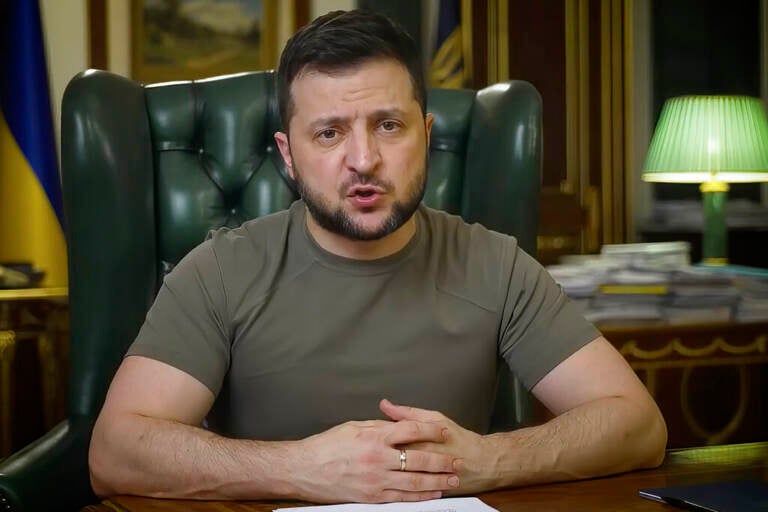
The power disruption marks the tenth time the plant has lost connection to the grid since the conflict began, according to IAEA records. Ukrainian President Volodymyr Zelenskyy has described the situation as critical, noting that Russian artillery fire has prevented repairs to damaged power lines essential for reactor cooling. Meanwhile, Russian officials have blamed Ukrainian shelling for the disruption. International monitoring teams remain stationed at the facility, reporting that sufficient generator fuel exists for approximately ten days of operation under current conditions.
The ongoing situation at Zaporizhzhia underscores the vulnerability of critical infrastructure during military conflicts and highlights the importance of maintaining international nuclear safety standards even in contested territories. As diplomatic efforts continue to address the plant's operational challenges, the international community remains watchful of developments at this strategically important facility.