Wall Street Reacts to U.S. Government Shutdown and Weak Labor Data
Wall Street experienced a challenging opening on Wednesday as the U.S. government shutdown commenced and new labor market data revealed unexpected weakness. The S&P 500 fell 0.3% in early trading, while the Dow Jones Industrial Average dropped 51 points despite recent record highs. The shutdown threatens to delay crucial economic reports, including Friday's jobs data, creating uncertainty for investors and Federal Reserve policy decisions. Treasury yields sank following an ADP Research report showing employers outside government cut 32,000 jobs in September, with the Midwest region experiencing the hardest hits.
Wall Street faced significant headwinds at Wednesday's opening as investors grappled with the dual impact of a U.S. government shutdown and concerning labor market data. The market downturn reflects growing uncertainty about economic stability and Federal Reserve policy direction amid delayed government reporting and employment concerns.

Market Performance Overview
The S&P 500 declined 0.3% in early trading, though it remained near the record level achieved last week. The Dow Jones Industrial Average fell 51 points, representing a 0.1% decrease, following its own all-time high set just one day earlier. The Nasdaq composite showed the steepest decline at 0.4% lower. According to The Associated Press report, this market weakness occurred despite recent record-setting performances across major indices.
Labor Market Concerns
The bond market experienced more pronounced movement, with Treasury yields sinking significantly following an ADP Research report that suggested hiring weakness across the United States. Employers outside government actually cut 32,000 more jobs than they added, with the Midwest region experiencing the most substantial impacts. The situation appeared even more concerning as the survey revised down its August employment numbers to a loss of 3,000 jobs from a previously reported gain of 54,000.
Government Shutdown Implications
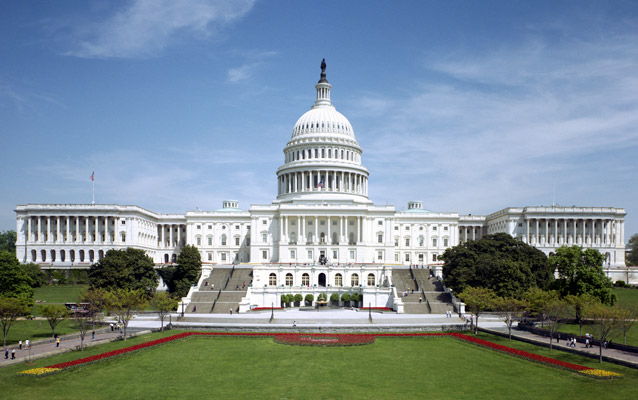
The U.S. government shutdown that began after midnight creates additional complications for market analysts and investors. The Department of Labor has indicated that the Bureau of Labor Statistics will completely cease operations during the shutdown, likely delaying Friday's scheduled jobs report. This delay increases uncertainty about the true state of the job market and complicates Federal Reserve decision-making regarding interest rates.
Economic Policy Uncertainty
Wall Street's delicate balancing act requires the job market to slow just enough to convince the Federal Reserve to continue cutting interest rates, but not so much that it triggers a recession. Carl Weinberg, chief economist at High Frequency Economics, noted that "whether this is an accurate statistic or not, people in the markets believe that it signals something. The signal from today's headline will not be a good one." Every delayed government economic report increases uncertainty about whether this precise balance can be achieved.
Historical Context and Current Risks
While stock markets and economies have typically weathered past government shutdowns relatively well, particularly when short in duration, this shutdown presents unique challenges. The current situation differs from previous shutdowns due to potential White House efforts to push for large-scale firings of federal workers. Additionally, the combination of shutdown-related reporting delays and concerning labor data creates a perfect storm of uncertainty for investors.
Individual Stock Movements
Despite the broader market weakness, some individual stocks showed positive movement. Nike surged 4.7% after exceeding analyst expectations for profit in the latest quarter, reporting strong apparel sales growth in North America. Conversely, Cal-Maine Foods dropped 2.6% despite delivering its strongest-ever first quarter, as both profit and revenue fell short of expectations. Lithium Americas saw its U.S.-traded stock soar 22.5% after the U.S. government agreed to let it access a previously announced $2.26 billion loan.
Conclusion
The combination of government shutdown and weak labor data creates a challenging environment for Wall Street investors seeking clarity on economic direction. The delayed government reports and employment concerns introduce significant uncertainty into Federal Reserve policy decisions and market sentiment. While historical patterns suggest markets can recover from short-term shutdowns, the current economic landscape presents unique challenges that warrant careful monitoring by investors and policymakers alike.