The Best Smart Speakers for Your Home in 2025
Choosing the right smart speaker can transform your home experience with voice assistants like Alexa, Google Assistant, or Siri. This comprehensive guide covers the top smart speakers available today, including the Google Nest Audio for overall performance, Amazon Echo Dot for budget-conscious buyers, and premium options like the JBL Authentics 200. We break down key features, sound quality, and ecosystem compatibility to help you make the best choice for your smart home setup.
Smart speakers have become essential household devices, offering voice-controlled assistance for everything from playing music to managing your smart home. With three major voice assistants—Amazon's Alexa, Google Assistant, and Apple's Siri—competing for dominance, choosing the right smart speaker requires careful consideration of your existing ecosystem, budget, and specific needs. This guide covers the top-performing smart speakers across different categories to help you make an informed decision.
Our Top Smart Speaker Picks
After extensive testing and evaluation, we've identified the best smart speakers across different categories and price points. Each option offers unique advantages depending on your priorities and existing smart home setup.
Overall Best: Google Nest Audio
The Google Nest Audio stands out as our top overall pick for its excellent sound quality and reliable performance. Priced at $75, this compact speaker delivers impressive audio that easily fills small to medium-sized rooms. Its pillow-like design houses a 75mm woofer and 19mm tweeter that produce rich, balanced sound with surprising bass response for its size.
What makes the Nest Audio particularly compelling is its ability to pair with another Nest speaker for stereo sound, creating an immersive audio experience for around $150. Google Assistant integration provides responsive voice control for setting timers, playing music, checking weather, and answering questions. The Google Home app makes it simple to connect with other smart devices, and the speaker will be compatible with Google's upcoming Gemini for Home assistant.
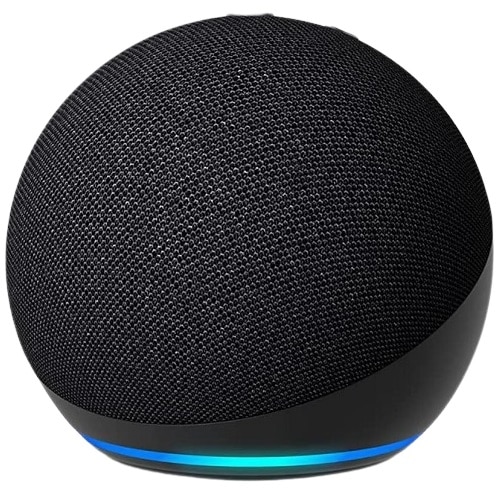
Best Budget Option: Amazon Echo Dot (5th Gen)
For those seeking quality at an affordable price, the Amazon Echo Dot (5th Gen) delivers impressive performance for just $50. This compact speaker packs substantial sound into its small 3.5-inch frame, making it perfect for bedrooms, offices, or smaller spaces. The fifth-generation model shows significant improvement in bass response compared to earlier versions.
The Echo Dot with Clock variant ($54) adds a convenient digital display for time and weather information. Amazon is also introducing the Echo Dot Max ($100) with enhanced sound and Alexa+ compatibility, but the current model remains an excellent value. Alexa integration provides access to thousands of skills and seamless control of Amazon's extensive smart home ecosystem.
Best Third-Party Speaker: JBL Authentics 200
The JBL Authentics 200 offers unique flexibility by supporting both Google Assistant and Amazon Alexa simultaneously. Priced at $350, this speaker features a vintage-inspired design with physical control knobs and delivers exceptional sound quality that competes with premium options. Its dual 25mm tweeters and five-inch woofer create a detailed midrange and balanced soundstage.
This versatility makes the Authentics 200 ideal for households with mixed smart home ecosystems or those hesitant to commit to a single platform. While third-party voice assistant integration can sometimes be less reliable than native implementations, the ability to use both assistants without switching makes this speaker stand out in the crowded smart speaker market.
Smart Display Options
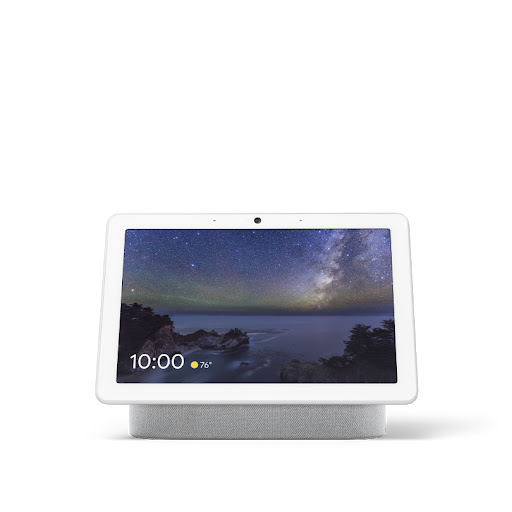
For those who prefer visual feedback alongside voice control, smart displays offer additional functionality through touchscreens. The Google Nest Hub Max ($230) stands out with its 10-inch screen that doubles as a digital photo frame when not in use. It features two 18mm 10W tweeters and a 75mm 30W woofer for solid audio performance.
The Nest Hub Max includes a 6.5-megapixel camera with auto-framing capabilities and supports Matter over Thread and Wi-Fi for smart home connectivity. Unlike Amazon's smart displays, Google's interface remains clean without sponsored content, making it more pleasant for daily use. For Alexa users preferring a display, the Echo Show 8 ($150) offers an 8-inch screen with Zigbee, Matter, and Thread compatibility.
Choosing Your Voice Assistant Ecosystem
Selecting the right smart speaker often comes down to choosing between the three major voice assistant ecosystems. Each has distinct advantages depending on your existing devices and preferences.
Google Assistant excels at answering questions and integrating with Google services. It works seamlessly with Android devices and offers better multi-speaker networking capabilities. Google's ecosystem is generally easier to use and integrates well with third-party products.
Amazon Alexa boasts the widest range of compatible smart home devices and skills. If you're heavily invested in Amazon services like Prime Music or Prime Video, Alexa-powered speakers provide the best integration. However, Alexa displays include sponsored content that some users may find intrusive.
Apple Siri through HomePod devices works best for those deeply embedded in the Apple ecosystem. While offering excellent privacy features, Siri has more limited third-party smart home support compared to Google and Amazon alternatives.
Future Developments to Watch
The smart speaker landscape continues to evolve with significant updates to voice assistant technology. Amazon is rolling out Alexa+, a more conversational AI-powered assistant that will eventually cost $20 monthly (free for Prime members). This represents a shift from the previously free service and involves changes to privacy settings.
Google is introducing Gemini for Home to replace Google Assistant, with early access currently available. Unlike Alexa+, Gemini will remain free, though advanced features will require subscription tiers. Google is also launching a new Google Home Speaker in Spring 2026, priced at $99 with a design similar to the Nest Mini.
Practical Considerations
When integrating smart speakers into your home, placement significantly impacts usability. Position speakers in frequently used areas like kitchens, living rooms, and bedrooms where you'll naturally interact with them. For optimal performance, ensure speakers have clear voice pickup paths and aren't obstructed by furniture or other objects.
Smart speakers deliver the most value when connected to other smart home devices. Consider adding compatible smart lights, thermostats, security cameras, and doorbells to create a comprehensive smart home system that your voice assistant can control seamlessly.
Privacy remains an important consideration with always-listening microphones in your home. Most speakers include physical mute switches or camera covers, though regular use requires balancing convenience with privacy concerns. Recent UK legislation mandating transparency about software support duration provides additional consumer protection against devices becoming obsolete.
Whether you're building your first smart home or expanding an existing setup, choosing the right smart speaker involves considering sound quality, ecosystem compatibility, and specific features that match your lifestyle. The options highlighted in this guide represent the best available choices across different categories and price points.