2025 Meteor Shower Guide: Orionids, Perseids, and Major Celestial Events
Prepare for an extraordinary year of celestial displays with our comprehensive guide to 2025's major meteor showers. From the bright fireballs of the Orionids peaking in late October to the spectacular Perseids in August and the brilliant Geminids in December, discover when and how to witness these cosmic phenomena. Learn optimal viewing strategies, radiant locations, and timing details for each shower, including the Southern Delta Aquariids, Leonids, and Ursids. Whether you're an experienced stargazer or new to astronomy, this guide provides everything you need to maximize your meteor watching experience throughout the year.
Meteor showers represent one of the most accessible and breathtaking ways to engage with the night sky, offering spectacular displays of shooting stars as Earth passes through debris trails left by comets and asteroids. In 2025, skywatchers can look forward to nine major meteor showers, each with unique characteristics and optimal viewing periods. These celestial events require no special equipment—just your eyes, a dark location, and proper timing to witness nature's most dazzling light shows.
Understanding Meteor Showers
Meteor showers occur when Earth's orbital path intersects with debris trails left by comets or asteroids. As these particles, typically no larger than grains of sand, enter Earth's atmosphere at high speeds, they burn up and create the brilliant streaks of light we call shooting stars. Each meteor shower is named after its radiant—the constellation from which the meteors appear to originate. Contrary to popular belief, you don't need to look directly at the radiant to see meteors; they can appear anywhere in the sky once the radiant has risen above the horizon.
Optimal Viewing Strategies
Successful meteor watching requires careful planning and ideal conditions. The most critical factors include finding a location with minimal light pollution, checking moon phases and rise/set times, and allowing your eyes adequate time to adjust to darkness. According to WIRED's comprehensive guide, you should avoid using binoculars or telescopes since meteors move too quickly to track through optical equipment. Instead, rely on your naked eyes and use red-light flashlights to preserve night vision when necessary.

2025's Major Meteor Showers
Southern Delta Aquariids (July-August)
Active from July 12 to August 23, the Southern Delta Aquariids reach peak activity for approximately one week centered on July 29-30. Unlike showers with sharp peaks, this meteor shower features gradually increasing and decreasing activity levels. The radiant constellation Aquarius rises around 10 pm local time and reaches its highest point around 3 am. With the new moon occurring on July 23, viewing conditions during the last week of July will be nearly perfect, offering approximately 25 meteors per hour under ideal conditions.
Perseids (July-August)
Running from July 17 to August 23, the Perseids peak overnight on August 12-13 and represent one of the year's most spectacular meteor showers. Known for producing 100-150 meteors per hour under dark skies, the Perseids feature bright fireball meteors with colorful green, blue, yellow, red, purple, or pink hues. Approximately one-third of Perseid meteors leave persistent trains. The constellation Perseus serves as the radiant, rising around 11 pm local time and reaching its highest point just before dawn.

Orionids (September-November)
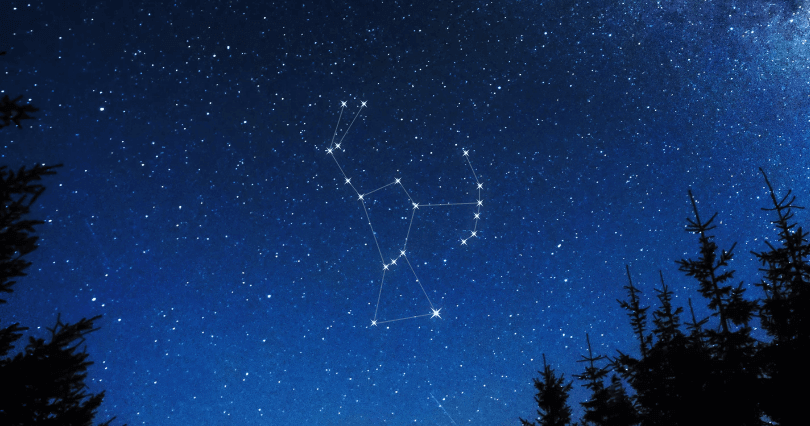
The Orionids, active from September 26 to November 22, feature a gradual peak centered on October 21-22. This shower typically produces 20-25 meteors per hour during peak activity and is renowned for its bright fireball meteors. As debris from Halley's Comet, the Orionids radiate from the constellation Orion, which rises around 11 pm local time and reaches its highest point just before dawn. The new moon on October 21-22 creates perfect viewing conditions with minimal moonlight interference.
Geminids (December)
Considered the year's most spectacular meteor shower, the Geminids run from December 4 to 17 with a sharp peak overnight on December 13-14. This shower boasts up to 120-150 meteors per hour featuring bright, slow-moving meteors with yellow, green, blue, white, red, or orange hues. Unlike most meteor showers caused by comet debris, the Geminids originate from asteroid 3200 Phaethon. The constellation Gemini serves as the radiant and remains above the horizon all night, reaching its highest point around 2 am local time.
Planning Your Meteor Watching
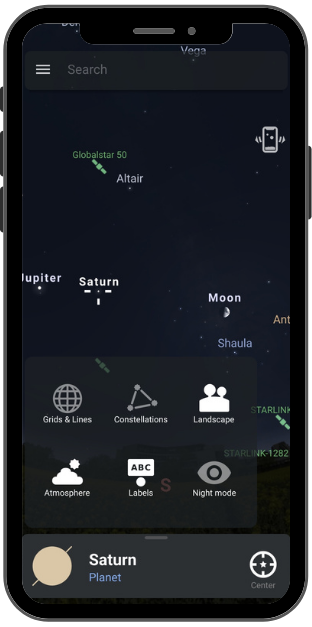
To maximize your meteor viewing experience, use tools like Time and Date's moonrise/moonset calendar or the US Naval Observatory's calculator to determine precise lunar conditions in your location. Apps such as Stellarium can help locate radiant constellations and determine when they'll be above the horizon. Remember that the best viewing typically occurs when the radiant reaches its highest point in the sky, though meteors become visible once the radiant rises above the horizon.
Whether you're planning to watch the fireball-rich Orionids in October, the spectacular Perseids in August, or the brilliant Geminids in December, 2025 offers numerous opportunities to witness these celestial wonders. By understanding each shower's characteristics, timing your observations around moon phases, and selecting optimal viewing locations, you can experience some of nature's most breathtaking displays throughout the year.