Iran Faces Renewed Sanctions as UN Rejects Nuclear Program Delay
Iran is preparing for the reinstatement of global sanctions after the UN Security Council rejected a final attempt to delay punitive measures related to its nuclear program. PBS Frontline correspondent Sebastian Walker conducted an exclusive interview with Ali Larijani, head of Iran's Supreme National Security Council, providing insights into Tehran's perspective on the impending sanctions and the resilience of its nuclear capabilities.
Iran is bracing for the return of comprehensive global sanctions as diplomatic efforts to delay punitive measures over its nuclear program have failed at the United Nations Security Council. The rejection of a last-minute proposal to extend sanctions relief marks a significant escalation in international tensions and sets the stage for renewed economic pressure on Tehran.
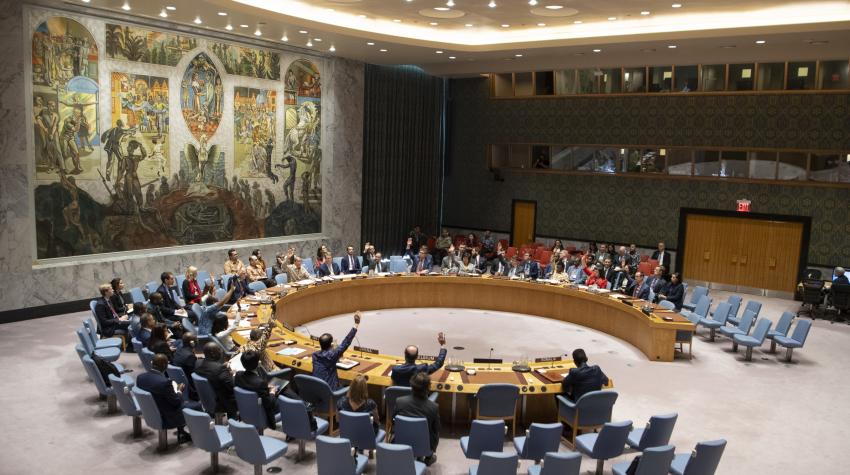
UN Security Council Decision
The UN Security Council's rejection of the delay proposal represents a major diplomatic setback for Iran and signals growing international concern about the country's nuclear activities. This decision effectively allows previously suspended sanctions to snap back into place, creating immediate economic and political challenges for the Iranian government.
Exclusive Interview with Ali Larijani
Ahead of the critical Security Council vote, PBS Frontline correspondent Sebastian Walker secured an exclusive interview with Ali Larijani, who heads Iran's Supreme National Security Council. Larijani's position makes him one of the most influential figures in Iran's nuclear decision-making process, and his insights provide valuable context for understanding Tehran's strategic calculations.

Iran's Nuclear Program Resilience
According to Walker's reporting from his discussion with Larijani, Iranian officials maintain that their nuclear program possesses inherent durability that cannot be eliminated through external pressure. This stance suggests that Tehran anticipates weathering the renewed sanctions while continuing to advance its nuclear capabilities, setting the stage for potential future confrontations with the international community.
Implications for International Relations
The reinstatement of sanctions carries significant implications for global diplomacy and regional stability. The failure to reach a diplomatic solution indicates deepening divisions between Iran and Western powers, potentially affecting not only nuclear non-proliferation efforts but also broader Middle Eastern security dynamics. The situation requires careful monitoring as both sides assess their next moves in this high-stakes geopolitical standoff.