President Trump's UN Address and Jimmy Kimmel's Late-Night Return
Nancy Chen provides coverage of two significant events: President Trump's address to the United Nations General Assembly and the return of Jimmy Kimmel's late-night show. This analysis examines the key themes from Trump's international speech and the context surrounding Kimmel's comeback to television, offering insights into both political and entertainment developments.
Nancy Chen's latest report covers two distinct but noteworthy events that captured public attention: President Trump's address to the United Nations General Assembly and the return of Jimmy Kimmel's late-night television show. These developments represent significant moments in both international politics and entertainment media.
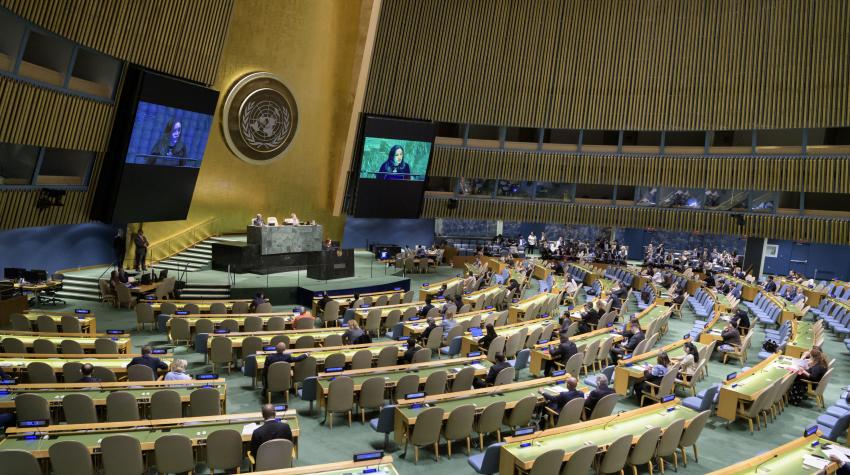
President Trump's UN General Assembly Address
President Trump's speech to the United Nations General Assembly represented a crucial moment in international diplomacy. The address provided insight into the administration's foreign policy priorities and approach to global leadership. According to Nancy Chen's reporting on CBS News, the speech covered several key international issues and reflected the president's perspective on America's role in the world community.
The UN address served as an important platform for the administration to communicate its stance on various global challenges. The speech likely addressed topics including international security, economic relations, and multilateral cooperation. Such addresses typically shape diplomatic relationships and signal policy directions to both allies and adversaries.

Jimmy Kimmel's Late-Night Return
In the entertainment sphere, Jimmy Kimmel's return to late-night television marked a significant moment for broadcast media. Kimmel's show has established itself as a prominent platform for political commentary and celebrity interviews, often blending entertainment with current events discussion. His return following a hiatus would typically involve addressing recent developments in politics and popular culture.
Late-night television serves as an important cultural barometer, particularly during election seasons and periods of political significance. Hosts like Kimmel often provide commentary on presidential addresses and other major political events, creating a dialogue between official politics and public entertainment. The timing of Kimmel's return alongside Trump's UN speech creates an interesting intersection of political communication and media response.
Media Coverage and Public Reception
Nancy Chen's reporting on CBS News highlights how major media organizations cover both political addresses and entertainment developments. The juxtaposition of these stories reflects the broad scope of news coverage that balances hard political reporting with cultural and entertainment content. This approach acknowledges the interconnected nature of politics, media, and popular culture in contemporary society.
Public reception to both events would typically be measured through various metrics including television ratings, social media engagement, and expert commentary. Political addresses often generate immediate analysis from policy experts, while entertainment returns attract attention from industry observers and fans alike. The coverage of both events demonstrates how news organizations cater to diverse audience interests while maintaining professional journalism standards.
Both developments represent significant moments in their respective spheres, with potential implications for political discourse and entertainment media. The coverage provided by reporters like Nancy Chen helps contextualize these events for the general public, offering insights into their significance and potential impact.