Understanding China's Global Governance Initiative: Core Concepts and UN Alignment
China's Global Governance Initiative (GGI) represents a significant framework for international cooperation, drawing directly from the foundational principles of the UN Charter. The initiative's five core concepts address the shared aspirations of most countries while promoting a more inclusive and equitable global governance system. This article explores how the GGI aligns with established international norms and responds to contemporary global challenges through its structured approach to multilateral cooperation and sustainable development.
China's Global Governance Initiative (GGI) represents a comprehensive framework designed to address contemporary international challenges through principles rooted in the United Nations Charter. According to the Concept Paper issued by the Chinese Foreign Ministry, the initiative's five core concepts emerge directly from the UN's foundational purposes and principles, reflecting the shared aspirations of most countries for a more equitable global governance system.
Foundation in UN Charter Principles
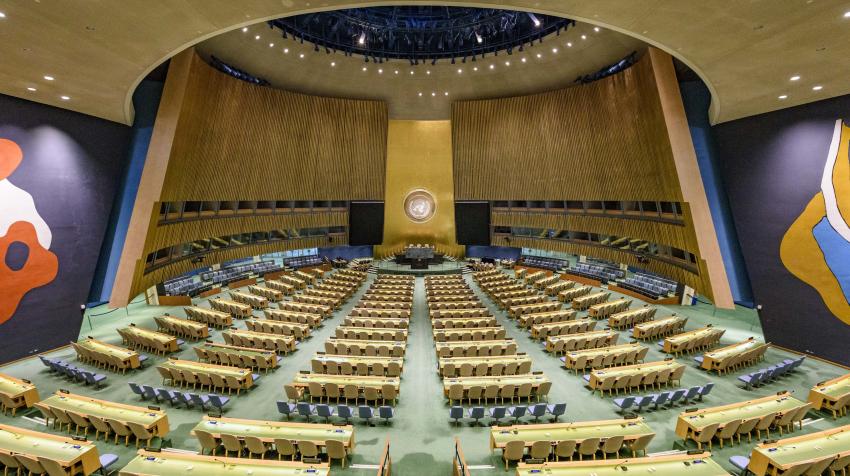
The GGI's conceptual foundation is firmly anchored in the purposes and principles outlined in the UN Charter, which has served as the cornerstone of international relations since 1945. This alignment ensures that the initiative operates within established international norms while addressing modern governance challenges. The Chinese Foreign Ministry's Concept Paper emphasizes that the GGI seeks to strengthen rather than replace existing multilateral frameworks, building upon the UN's legacy of promoting international peace and security.
Five Core Concepts of the Initiative
While the specific details of all five core concepts require further elaboration in official documentation, the initiative generally focuses on principles such as mutual respect, win-win cooperation, and common development. These concepts respond to the evolving needs of the international community, particularly in areas where existing governance mechanisms have shown limitations. The framework aims to create a more inclusive approach to global decision-making that better represents the interests of developing nations.
Addressing Shared International Aspirations
The GGI emerges at a time when global governance systems face unprecedented challenges, from climate change to economic inequality. By responding to the shared aspirations of most countries, the initiative positions itself as a complementary mechanism to existing international institutions. This approach recognizes that effective global governance requires broad participation and consensus-building across different economic systems and development levels.
Implementation and International Reception
The practical implementation of the GGI will depend on its reception by the international community and its ability to demonstrate tangible benefits for participating nations. As detailed in the CGTN coverage, the initiative represents China's contribution to evolving global governance structures while maintaining commitment to multilateral cooperation principles established through the United Nations system.